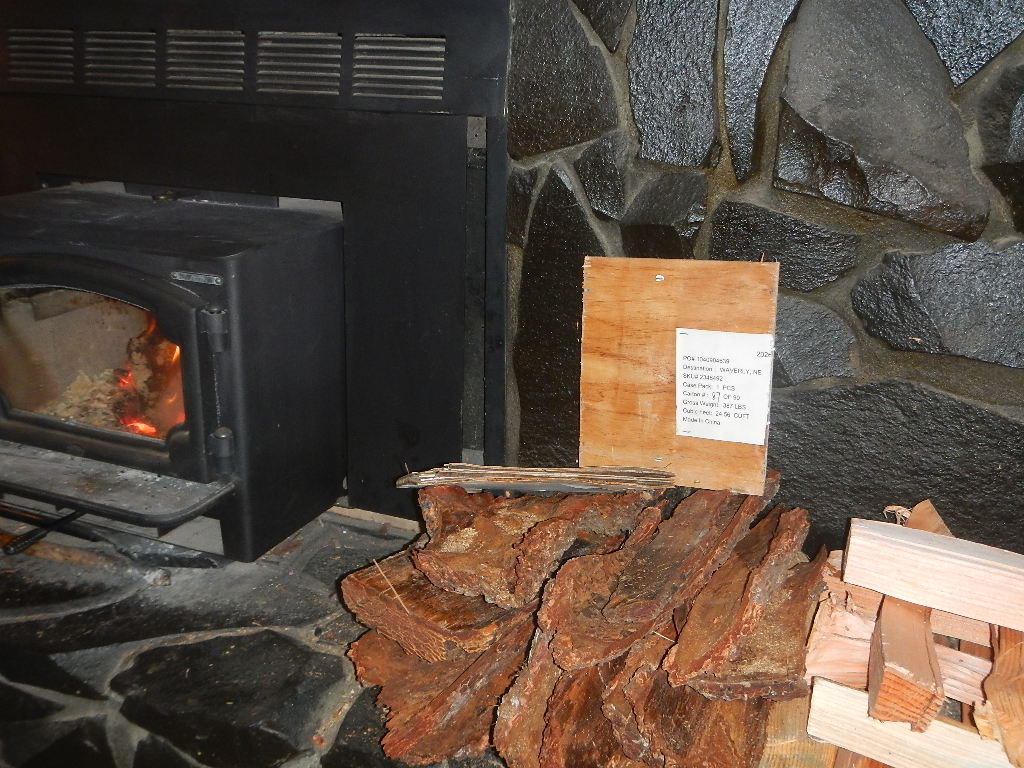
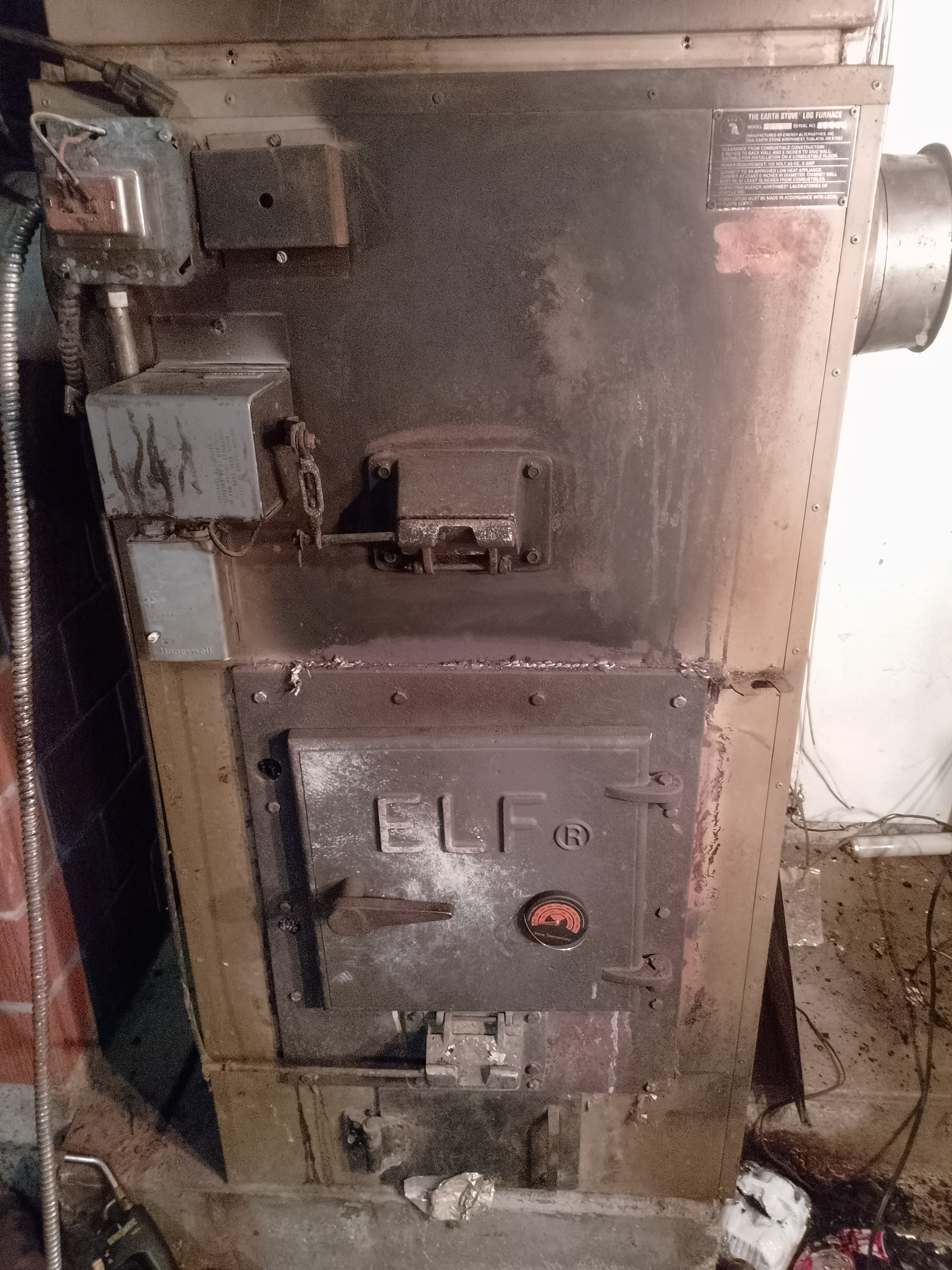
I'm just getting in to off grid wood

hello I’m Dillon

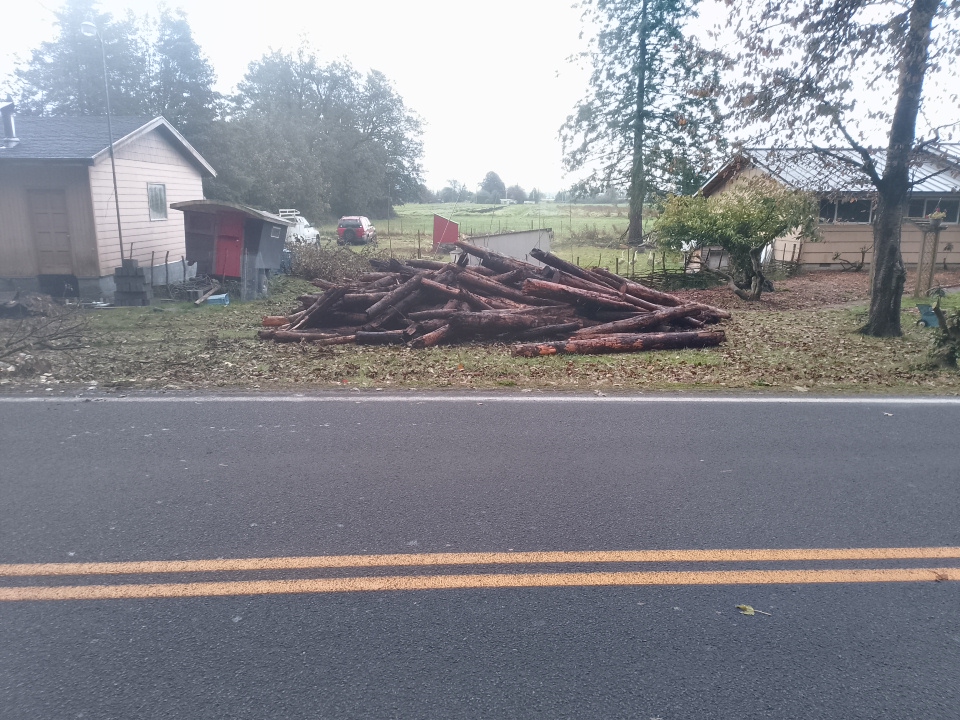
I live in a house I heat with wood, I’m setting up a heat exchanger between my wood furnace and my water heater to for my hot water to. I live in a place where I can get broken logs delivered to my house for free, primarily hemlock, all of the wood is soft woods. I want to get in to wood gas but am looking for a little direction in getting started

I was wondering if anyone has any experiences in prosesing logs in to appropriate sided fuel and what they do, should I just cut and split it like firewood?

I have a family of 5 that will likely continue to grow so a pickup isnt as practical an option as I would like. I was wondering if anyone on hear has built a wood gas van or suburban station wagon ECT and what that project looked like.

should I start with a small engine project?

14 Likes

Welcome to the forum! Myself, I started with a cheap generator that I fixed up, the other idea I had was to grab a cheap or free lawn mower to get the basics of how this process works then move up to bigger engines. The simple fire of Gary Gilmore ( details found on youtube ) is I believe a great place to start, but the members of this forum have years of experience to help make the job go easier.

Myself, I am into rocket stoves and you might consider splitting your wood and letting it dry before burning it ( if you are not already doing so ).

There is much to learn about the process, but I have found the threads here help, and also the youtube videos really help with the learning curve of getting started.

Another option I was considering was to build a wood gas generator, then charge up an EV with the gen, then use the EV for travel. But each one of us has to work out our own creations and how we wish to go.

Cheers,

10 Likes

thank you Mart

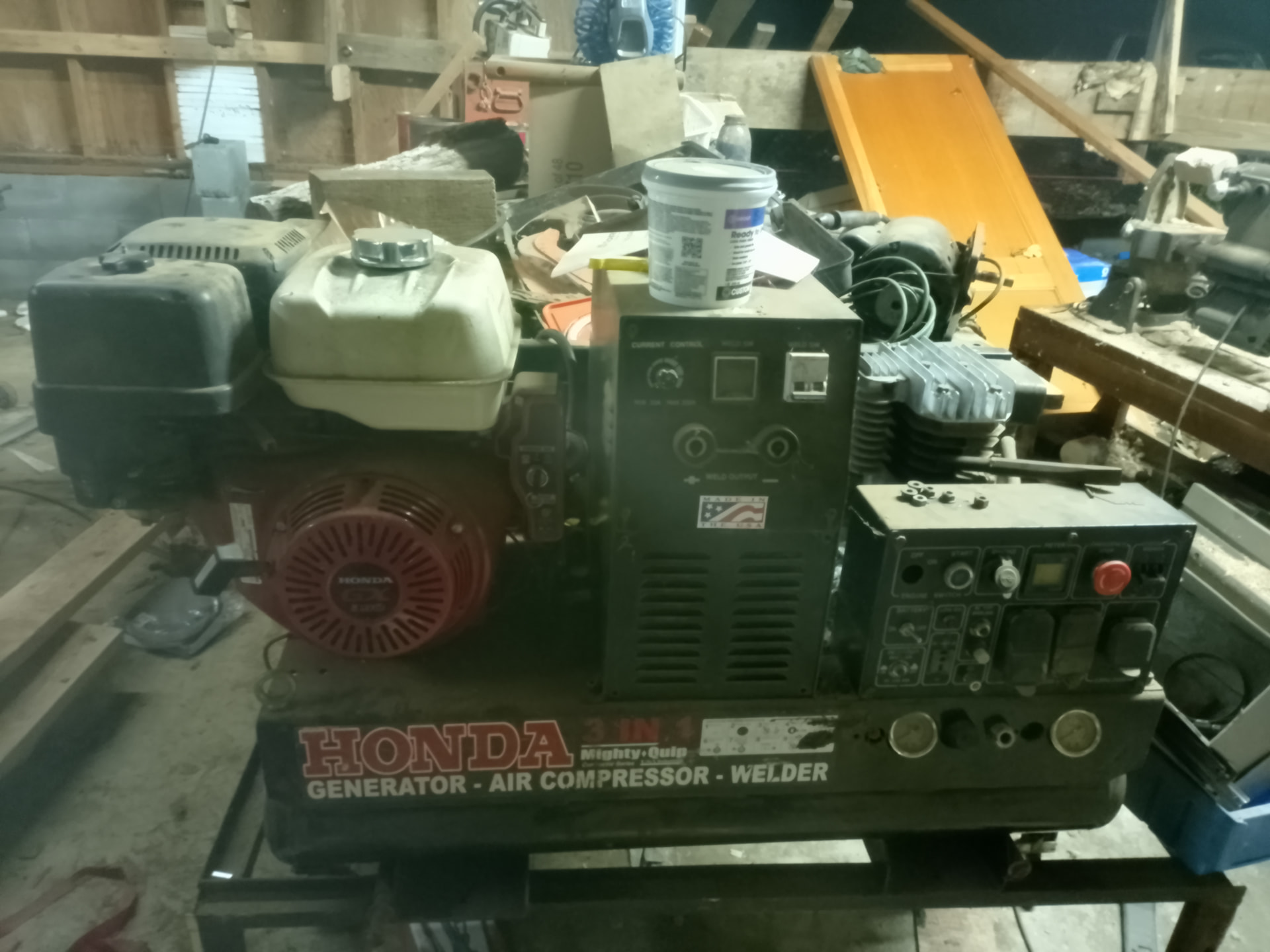
I have a generator aircompresor welder like would go on a service truck that I think I’ll start with. I am already drying my wood, but that is a challeng where I’m at . I live in a rainforest and if you leave wood outside to long it will rot and hold water again. i was storing some wood in my shop but last summer I lifted it and once it’s squared away I’m moving some wood back in it.

7 Likes

What size engine is on that generator aircompresor welder? If you decide to go charcoal, I know it takes time to make but it stores like forever if you put it in an airtight plastic barrel, it does not take up a lot of room. A 55 gallon barrel’s worth of engine grade charcoal will run engines for hours and hours. They quit making pennies here but that is my 2 cents worth of advice. :grinning_face_with_smiling_eyes:

13 Likes

Hello DillonP.
You’ve been here a while I see. I read your desires. Read you have access to hemlock woods. Experience with home wood heating. Now just read you live “in a rainforest”. You show Oregon. Hemlock and rainforest that means western wet-side.
Where I live; except up in Washington State.

So you will get pushed, prodded, pulled by the Eastern boys into charcoal making. They live where the good charcoal making hardwoods are the predominate.
You and I live where conifer woods predominate. ONLY older growth conifer limb and knot woods sections makes the dense hard, handleable, storable charcoals for us. Regular conifer trunk-stem wood makes lightweight fragile charcoals best used hot as made left in place where they are made. And that means a raw woodgas system. This is what Ben Peterson Builders book system was designed to do.

Now onto practicality. That you will actually use once you have spent the hundred+ hours to build, and set it up. I’m including useable amounts of fuel prepping/making.
Just skip on past the small engines systems. Most small engine systems as Wayne Keith answered once: you just want start up, and get the specific job done. Then be able to shut it down, and walk away to other homestead needful things. He was talking about his car Mercedes diesel operated bandsaw mill. Today I will start up on gasoline my 10.5 hp B&S on my 34 ton hydraulic wood splitter (ha! what you need for grains entwined Hemlock and cleave or mash down big 4-6" DF knots) for a single wheelbarrow of fine split wood. 15 minutes. Using, less than half quart of gasoline.

A small woodgas system to supply would need at least 15 minutes to get up to operating temperatures. I’d have less than 10.5 engine HP. So have to work much slower. Then the woodgas system would be still producing and bleeding off heat energy for over an hour. A waste of wood; wood preparation time; and personal energy. Actually the only small engine woodgasing using that makes sense is electrical power generation. 2-4 hours of direct use. With battery bank storage. Even recovered pumped hot water storage. The gasifer and engines systems heats rejections being engine blown and drying down wood chunks to useable just-in-time for the next batch cycle. Bank this made ready wood at least one batch ahead.

So where to get the now West Coast expensive gasoline for small engine usages?

In what you save not buying for a personal work/commuter vehicle. This is what actually once built does gets used.
Multi-passenger family vehicles: I know of no one following thru. And then using.
Think about it. You out 5-15 minutes at least firing up the system and getting it stabilized to reliable production before a drive-away with the family. . “She” having to keep the kids on-track, settled while you do this. Then when you do have the on-the road stoppage for a woodgas system clog-up/burp/charcoal bed burnt out problem: then Her out on the road having to keep the kids settled, calm, and not fighting.
Save your marriage. Just do a work commuter vehicle woodgassed for your usage. Take along the kid who is interested, and actually helpful. One less kid for her to manage. She will thank you.
Giving her a modest amount of electrical power when all else is out; cold, wet, and dark - believe me- she will thank you.
We’re going into wet cold and darker now and they should be thanking you for the wood heat.

Woodgas pursuits you want to multiply on that.
If you developed a passion for fishing . . . you best be bring home enough cleaned prepped fish ready to cook to feed the whole family. Every single, away from them outing. Same principal.
Will a new interest activity be family supportive?? Or a solo shout out?
They only have the one you. They need you engaged with them. Kids remember if you were there or not.

Regards
Steve unruh

10 Likes

Yes. and also know while it can run in a gas engine it has substantially less power then the same engine running gasoline.

It is also can have some issues delivering fuel consistently which may not be good for welding.

i would start with charcoal, the system is simpler, wood processing is simpler, and you don’t end up with the tars gunking up the engine right away.

Use it for your heating needs first, that is the easiest and typically the most bang for your buck.

7 Likes

thank you Steve

I have been here a while, unfortunately I haven’t started any wood gas projects yet.

you have a pretty good guess on my location I’m in Tillamook county it’s in northern oregon west of the coast range

I appreciate the point you made about the impracticality of a family car I think I’ll need to rethink that

I’ll keep you advice in mind when people recommend charcoal

9 Likes

Dillion, welcome! I grew up in Oregon a long time ago and used to go up to your area back in the 70’s. So does the cheese factory still have the great soft ice cream in their lobby? a fond memory. As a homesteader / off grid person, I would advise you to pick your battles in the off grid lifestyle. I would think that you, like us here in western Pa can rule out solar for the most part, but you may want to get a copy of “homebrew wind power” as I would guess that you have fairly constant wind. The book goes into depth on building your own permanent magnet alternators for your conditions. These could also be adapted for other power sources, micro hydro, wood gas, etc. Great book, worth the read. Part of our off grid plan is to grow a large garden, fruit trees, animals and canning. This give us an off grid reliance for food. There are 2 good magazines, both published there in Oregon, backwoods home and self reliance.

Kent

10 Likes

I found this small solar project in the area and they report their actual performance:

I did a little math and they are getting 3 hours per day of full output equivalent averaged across the year. It’s not amazing but its not nothing either.

6 Likes

thank you kent

the cheese factory still has ice cream but their is a new modern loby on it.

thank you for the book recommendation im going to have to take a look at it I’ve been interested in wind, curantly I’m trying to reduce my electrical power demand so I don’t have to build an over sized system

I think we currently have aproximatly 30x90 garden plot and are trying to squeeze perennial fruiting trees and plants in where we can. our land wasn’t very productive this year but we neglected it after having identical twins and starting to many projects around our house. the garden was eaten by weeds dear and our geese , I hunt & fish we get a lot of food that way to

9 Likes

You can make it work, and it does have a real payback period even in areas of lower sun.

I wouldn’t count on a gasifier to provide 24/7 electric. You will need/want battery storage, which is part of a solar system. You don’t need the panels, but you will want the inverter and batteries. The panels themselves aren’t close to the most expensive part anymore.

Allegheny County, Pennsylvania averages 4.0 to 4.1 peak sun hours (PSH) per day (global horizontal irradiance), which translates to about 1,460 to 1,500 hours of usable sunlight annually.

In Tillamook County, Oregon, solar panels typically receive an average of 3.8 to 4.3 peak sun hours per day (roughly 1,400 to 1,550 kWh/m²/year of total solar insolation), reflecting the Pacific Northwest’s overcast coastal climate.

Not the greatest, but california is 5.6. nevada and nm are over 6. it is 20-30% less per panel, you just need more panels. When panels were far more expensive it was a much bigger issue at 4 hours, 16 400w panels is around 623 kWh per month (using unboundsolar.com calculator). The avg electric consumption in the US around 900kwh/month with the avg utility bill of around 130 dollars.

There are places you can order a pallet which is 27-36 panels. like this completely random place:
JA Solar 400W PERC Solar Panel JAM72S10-400/MR 27 Panels per Pallet | A1 SolarStore?
at 4 hours of irridation, 2750 dollars in panels generates 1051kwh /month or at year 25 850kwh..(prorated from unboundsolar number) If you can complete the project for 13k, with inverters, wiring and mounting it is about a 9 year payback. That is an if, because I run any numbers

The unfortunate part is you will need battery storage and I dont know how to spec that for you. probably 2 14-16kwh batteries at 3500 each which is enough to hold about a days use. about another .5.5 years to the payback time.

It is a lot of money upfront. but it is also a lot less work over the long term, freeing up time for more lucrative endeavors, and it gives you easier ways to hook up a gasifier to your system which is what Matt was doing.

5 Likes

I agree with Sean that solar is worth serious consideration. The numbers from the solar project I posted were good enough that I would personally install solar.

Silent recharge of a battery bank with no moving parts is magic. Don’t let the perfect get in the way of the good?

4 Likes

The numbers keep changing so even what was true 10 years ago may no longer be true. Or they may still be true, but the gap has narrowed considerably, and it will be worth it in 5 years to revisit.

The biggest issue with solar is literally the upfront costs because you are paying upfront for, thus locking in, your energy costs for a decade or longer. Most people especially younger ones, don’t have that money or wish to invest or spend it on something else, thus it seems impossible. It isn’t impossible but there are opportunity costs. It may be better to spend it on a more lucrative or even more liquid investment rather then wait the 10-15 years to recoup the money from the initial investment. There are arguments both ways and it depends on a multitude of factors as to whether a person’s personal business deems it a worthy investment.

5 Likes

Thanks Sean, your way of numbers match with my point of view. Only your numbers might be a little to positive. In the Netherlands we/I calculate aprox a factor 90% of the installed Wp will be delivered in kWh on a yearly basis. And that will do for a roi less then 5 years, batteries included (but we have crazy energy prices :grinning_face:). You can buy 16 kWh 48 volts for €1600, no need to diy for those prices.
16 ,400 Wp panels is 6400 Wp and would deliver around 5500-5600 kWh yearly. 25.000 kWh is worth a party. Maybe in California.

6 Likes

Guys a couple of three things I will point out.
You are all painting with very big broad stroke brushes.
I kindda’ know you fellows are all past the 20’s-40’s child rearing ages. And advanced up into paying careers; or have investments/retirement incomes.
Too many of you, now that you have made your choices, and made your commitments; you self-validate those as no-brainer best; and everyone else should too.

The actual Pacific Northwest is very much is in long north/south climate weather narrow bands zones. Go east 60-100 mile across the Cascade crest and then get at least another 100 good solar days a year. This is Off Grid with Curtis Stone’s climate.
Dillon and I however live in the most productive by acre conifer trees growing zone on the whole planet. Coastal Northern California up through the Alaska panhandle. Those over half the year Pacific storm fronts clouds and rains is what makes for the good trees. These trees are tall three dimensional solar energy catchers/converters/storage systems.
You ask him, as you’ve asked me, to ignore what we do have surrounding us available.
A younger man able to have new twins ain’t gonna’ have a lot of extra money just laying around uncommitted. The real paying jobs out in these rural counties is in wood products activities. Or supporting, supplying, to the wood products activities.
So once you are already working in wood; then expanding off of that just comes natural.
As a younger man (like some still do here) instead of sports chasing, drinking, partying, world adventure traveling; I often converted my extra energy/time into firewood making for sale for extra money.
I backed off in the 2007/8 downturn to let younger needing guys, with a pickup and a chainsaw have the market for putting food on the table; shoes and school supplies for their kids.

Dillon if you want to tippy-toe into solar go small as a needs no engine baseline. Lots of now 400 watts systems with the new bi-fractal panels to start up from. I have one I’ve been eyeballing now for next year in the Spring when the sun swings back. For the last few years when needed I’ve been vehicles and equipments converting to HD lead acid 31P deep cycle truck batteries. So enough now for either a 24 or 48 volt bank. (Ha! Ha! Listen to boo-hisses that will generate!)
You are on the right track in weening back on the electrical consumers.
Ha! You out in the coastal range and the winter storms winds and Chinooks are going to tearing up your solar/wind and even water energy investments every third year or so. Don’t build up a heart breaker. These same will-happen’s; just puts more trees onto the ground for usage. Happened to J.O. this last year when he was unexpectedly trees knocked down storm “blessed”.

Regards
Steve unruh

6 Likes

I can relate to your garden experience! We have a lot of deer, bunnies and woodchucks that think the garden is great. When we first came here we fenced the garden to keep the cows out, then several years ago I bought 21’ lengths of 1/2 PVC pipe to screw to the wood fence post around the garden. we now have an 8’ deer fence. The weeds are plentiful with our wet summers, but I use 4’ wide ground cover, (pro 5 from allseasons covers) and have burned hole patterns for different crops and it will last 5-10 years, great stuff 250’ rolls for $100. good luck. kent

8 Likes

thank you steve

you are right I don’t have a lot of money leftover at the end of the month to put in to things like solar I would eventually like to intimentaly build a battery bank and array but right now I can get wood delivered to me for free and it keeps my house worm and if I cut enough of it this year I might be able to sell some next year and dable in solar or batteries inverters ect

but right now my house is worm I have a wood stove & a wood furnace and a wood stove for my shop

the furnace used to have a w shaped pipe in it that was plumed to the water heater with a thermostat and a circulator pump to heat the hot water for the house I think that will be my next project to become more “energy independent”

11 Likes

don I’m sorry i take so long to get back to you. I needed to get out in my shop and take a look at the unit to answer your question the motor is a Honda gx390. if the name doesn’t give it away it’s 390cc

10 Likes

hello Dillon ))

in order to stay off-grid i did produce around 1000 kwh of wood gas power previous winter with sub 500cc generator and i must say it is time consuming process and takes a lot of dedication.

it would be much nicer to have something a bit more powerful and save time running it, for example a PTO driven alternator and a 30 - 40hp wood gas tractor which could be used also for other tasks.

though in that case you also would need a battery bank capable of accepting that charging current.

9 Likes

I just used unboundsolar’s estimates since they had a drop down chart. I was just trying to put an example together where you work through the numbers to get a rough idea, rather then a whole system with super accurate numbers. the average installed cost (pre-tax incentives), is 2.41-3.50 per watt in the US. You can beat that with DIY. and buying in a pallet is typically cheaper then individual panels. Typically, we dont install storage and they usually size solar systems for half the electric use. California mandated a place for storage in new houses, I don’t think they mandated actually having it.

That is why I pulled up the county level data. you guys have like 20 different climates. County is about as close as I can get without asking for an exact location that I dont need to know.

No boo hiss. There is a whole thread on LA vs Lithium. LA isn’t cost effective at all that is why we revisit this every few years.

The commercial grade 31p batteries are roughly 100ah and interstate is listed at 194 dollars from an ebay seller and 200 from renology, The Rolls lfp 12v 100ah is now 340usd off their site. So you can buy LA knowing you will replace them in 5 years. or spend 2x as much and get at least 10 and probably closer to 20 out of them. This is what Rolls says about their lfp Expected Cycle Life | >6000 @ 80% DOD, >3000 @ 100% DOD

or you can roll the rice off walmarts site that has 12v 100ah as low as 122 dollars. However, the 122 dollar someone claimed it didn’t output the full rating. and it weighs 20lbs and the rolls weighs 25.4lbs.

This one weighs 24lbs. for 180 dollars, and it claims more lifecycles, but it also says >15000 at 60% depth of discharge which is where Rolls LA gives around 1500.

1 Like