I currently have two pico-turbines, each with four injectors.
In my case, one turbine can produce 350W/h if all four injectors are used.
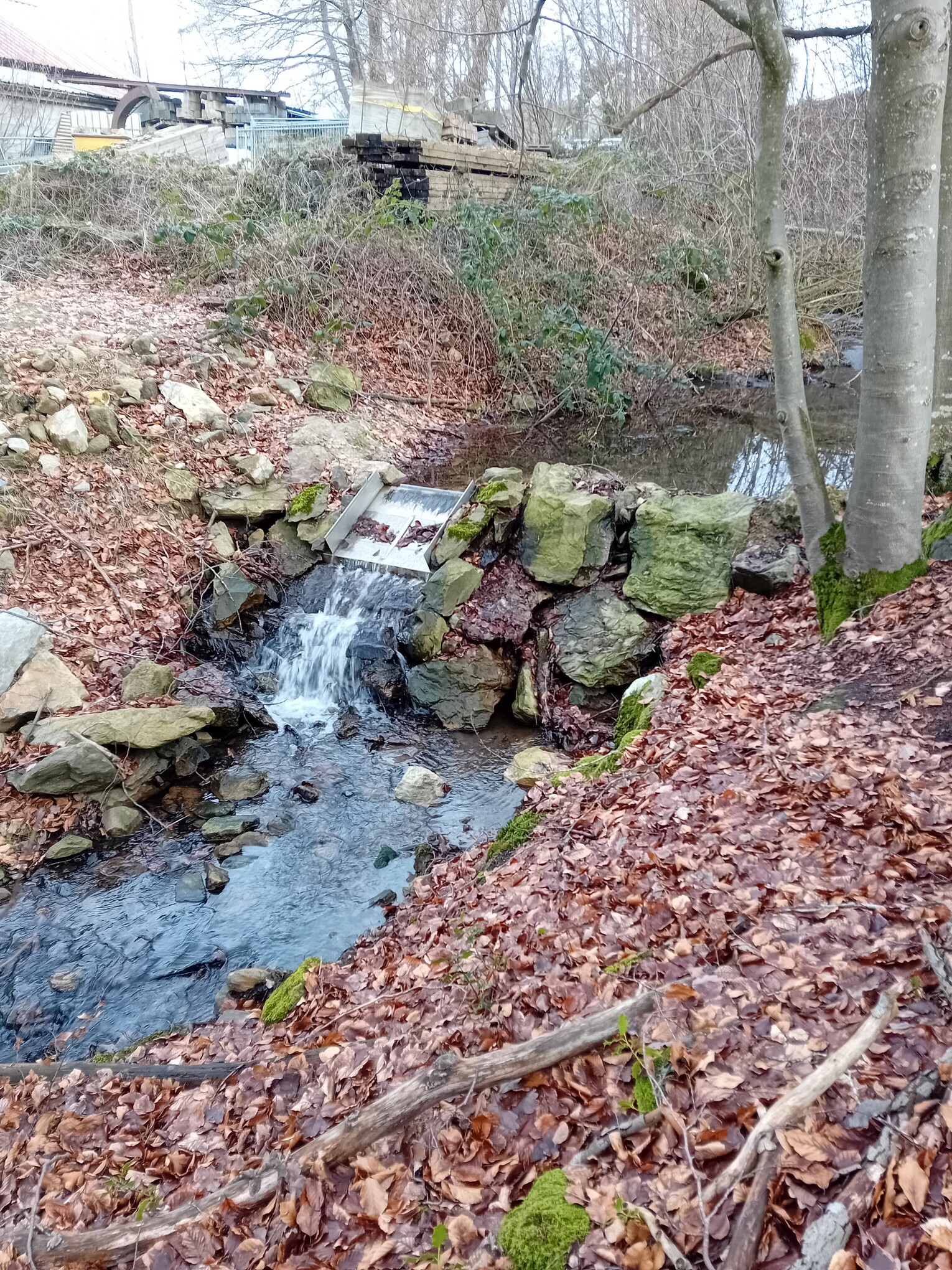
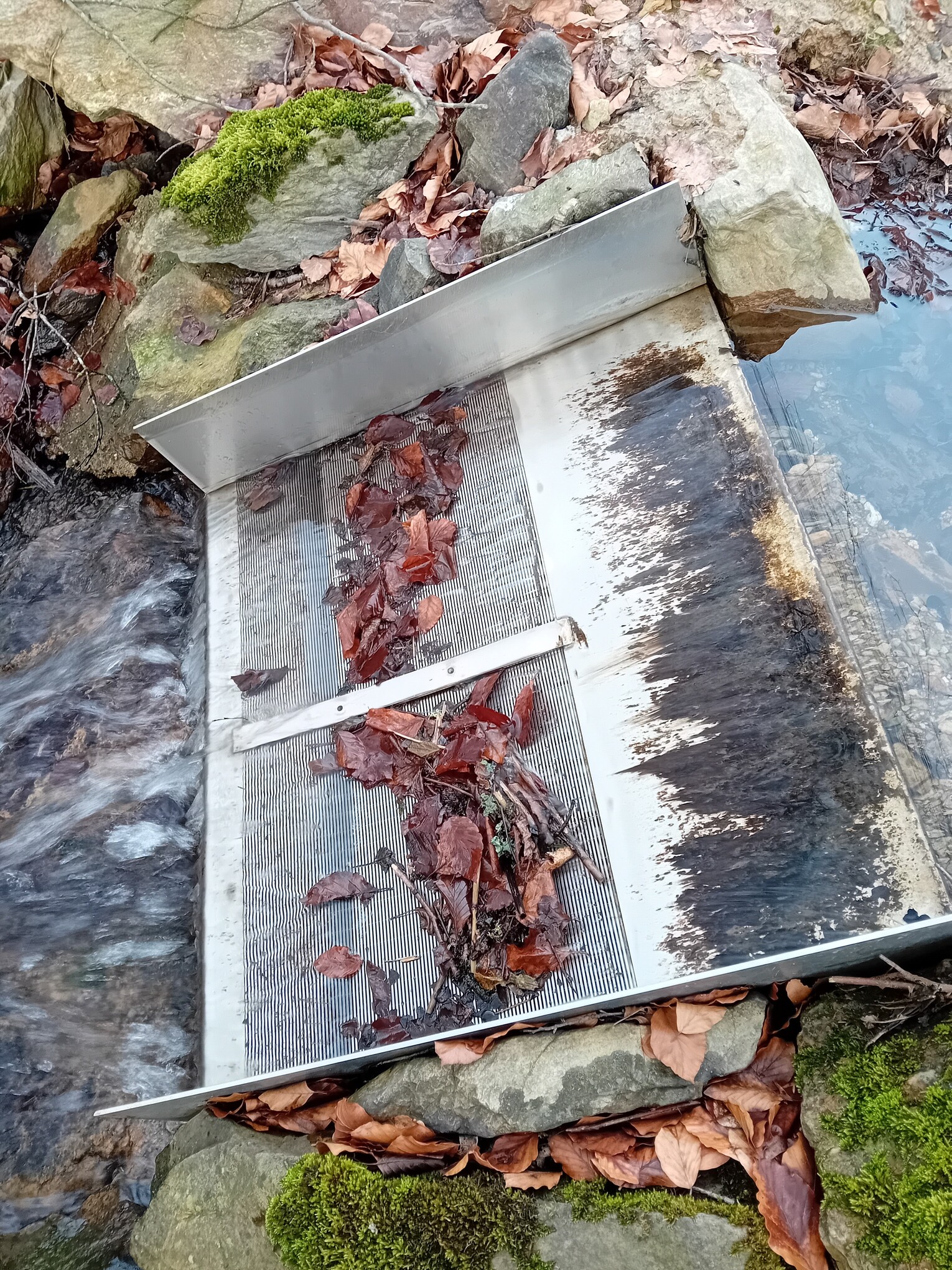
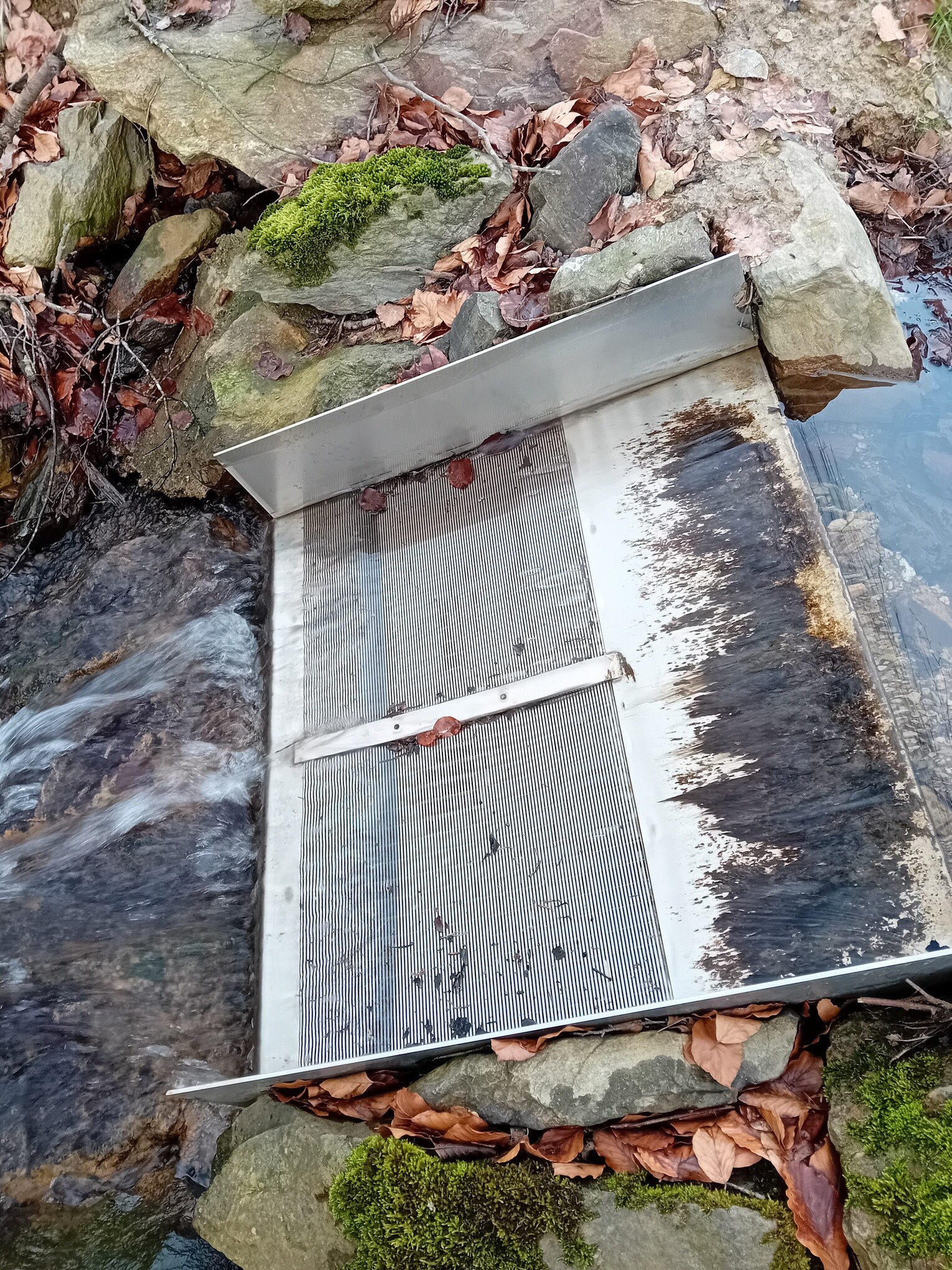
Water from the small stream running through the property is captured upstream by a screen and conveyed via pipes to the turbines.
The water is then discharged back into the stream downstream.
I will detail the different stages later, with photos.
I have a small stream too but it has real low flow, gets down to just a couple of liters/min in draught. But l do have about 60m head. Some day l might try playing with it some
For your situation, you should consider a Pelton turbine because it requires little water but a high head.
I think you should consider it, especially if the pipe is easy to install.
Oh no, that’s not the case. The difference is in the flow. 1 liter per SECOND with head 1 meter has the same power as 1 liter per MINUTE with head 60 m. Its simple because power is flow times head.
You say you get a few liters per minute when the water level is at its lowest, but at that point, there’s surely plenty of sun lowering the water level (you must have solar panels for solar gain).
My turbines only run in winter when there isn’t enough sun.
In fact, they haven’t run much this year because it was dry this winter and unfortunately, there was very little sun.
So you don’t necessarily need to take the water when it’s at its lowest, but rather when it’s advantageous for you.
I’ve also seen videos of a Pelton enthusiast who waited for the water to accumulate and then let his turbine run long enough to empty the reservoirs before starting again.
Using batteries could also be a solution.
Plus, it’s easy to automate.
As Kamil says, 1 liter per second won’t be worth the investment, but my small stream is very weak in summer too, and yet, in a normal year, at least one turbine will run for two months during the winter without being switched off.
Kristijan, Kamil, David,
Even a few watts will charge your cell phone, and keep batteries topped up. You just have to decide if the project is worthwhile in labor and materials, how many materials you can scrounge for cheap or free, and how strong your young helpers are getting! Besides, you will have a nice duck pond, with maybe some fish.
Hi MikeR.
Many of us live in places where to impound natural flowing water requires many, many permits, approvals and then; inspections.
David P. has said at least 2-3 time the word “discrete” for his upper side water diversion screen.
I am sure he is equally discreet putting the water lower down back into the stream.
S.U.
Indeed, it’s important to remain discreet, especially to avoid jealousy.
The permits, which are only required for the small dam in my case, would be refused simply because those who write the permits are jealous of what they can’t have.
Don’t be in too much of a hurry; I’ll take my time explaining the system to you gradually.
The discreet water drainage system downstream will be shown to you later.
I agree. Indeed, there is plenty of sun usualy when the stream dryes out (its actualy a spring that turns in a small stream down the valey). We did have one dry winter couple of years back when it went to just a few l/min.
So far l havent yet seriously thod much about electricity production because l use so litle of it. I only use about 100kwh a month. But on the other hand since l use so litle it wuldnt be hard to get off grid. Will see.
Discrete, yes… irigation ponds are permited here (with some paperwork) but daming a flowing body of water is a big no no. Some have waited for literal generations for their home hydro powerstation to get a permit. Im not interested in that.
Hidraulic power always atracted me thugh, for quite some time my domestic water supply was provided from a well by a compressed air water pump, and the air proveded by a trompe powered with the stream. Such a simple device yet so usefull. As with many hidraulic machines. In the future l plan to build a better one, for fishpond aeration and maybee even to power the forge.
I developed my own tool to measure the power of the stream.
If you have water above the ankles in the stream you cross with one long step and flowing as fast as you normally go along, then this stream produce 1 hp power by falling from your waist to your feet.
Here, the regulations vary depending on the amount of water taken up by the stream; in fact, they changed 10 meters upstream, and I could have done much more.
When I talk about a dam, I mean, as you saw, just a few stones piled on top of each other.
It’s altering the streambed that’s prohibited, except for maintenance… so I considered piling up the stones there to be maintenance, haha.
The water flow is never interrupted because the dam isn’t completely watertight.
Of course, we have to be careful about aquatic life.
The small trout living in the stream can reproduce above the dam, and they know how to move up and down easily.
That’s also where this grid system becomes useful.
 Besides, you will have a nice duck pond, with maybe some fish.
 A very small duck pond, and a few small fish.