Ok, I thought it was just putting plants in water, we do it with nettles and water tomatoes sometimes, hydroponics is not for me.
4 Likes
Hydroponics is growing plants without soil. In order to do that you have to provide nutrients and water to the plants. There are several methods to do that. but if you just give them the JADAM solution, you could be missing say calcium, or it will contain 3% nitrogen instead of say the 20% that is needed. You don’t really know. It is still a lot of the same math you have to do if you are raising vegetables in soil to optimize your yields.
4 Likes
Plant any green manure. Before the seeds form, incorporate them into the soil using either sharp-edged disc harrows or a soil cutter powered by a power take-off shaft. This is what Edward Faulkner did in the 1940s. After a couple of years, his clay turned into excellent, self-sustaining soil. Additionally, he had a brilliant idea, observation: healthy soil leads to healthy plants. These healthy plants are less susceptible to pests, as pests essentially feed on what they consume. what is not suitable for other species to eat. Therefore, it is more correct to consider them as garden and field cleaners. And we are fighting against them…
Plant 2 crops on the same piece of land every year. One after the other. One for you, the other for the soil’s life.
11 Likes
Should I sow green manure on top of the grass and then use the tiller to only cover 5-7cm?
Our growing season is probably too short to grow anything after the vegetables.
3 Likes
Yes, you can sow directly on the grass and cultivate to a depth of 5-7 cm.
It doesn’t matter how long the growing season is, as long as you don’t leave the soil bare. Even if there are only a few green manure plants after the vegetables, it’s better than nothing at all.
Alternatively, you can cut and incorporate the green manure plants into the soil after winter, before planting the vegetables. Let them overwinter and protect the soil microbiota from the cold.
9 Likes
Soil is like a human, we can endure long periods without food and will usualy recover once we get food, but at what cost? Soil needs food too. Constantly. If it doesent get food it starts consuming its self, like a starving human. It consumes organic matter and gets poorer and poorer whenever it isnt fed.
To feed it there are many ways. Much like feeding livestock. We can harvest feed and feed it to livestock or we can let the livestock graze. Not a perfect analogy but with harvested feed for soil l mean manure, leaves, wood chips, grass… but thats just one part of it, soil also “grazes”. Plants exert vast amounts of sugar in to the soil via roots, about 30% of its total sugars if l remember right, in order to feed the soil that then feeds the plant. So l think its important to always have a mix of both. Add organic matter and grow as much as possible for live roots to feed the soil. Thats about all thats needed to sucsessfully grow stuff.
I think focusing on fertilising plants directly is a missed aproach. Unless we talk container growing (not in any way inferior, just a different path with different goal!), or if we want to be slaves to our garden, we must instead of feeding (fertilising) the plants focus on establish a sistem that can feed the plants for us. Living soil in good condition does this.
Jan, sure you got enaugh time to get 2 crops, just maybee not both for you directly. A good aproach is to sew mustard right after you harvest the potatoes. It will continue to grow, feed soil via roots and acumulate nutrients in its tissue. When winter comes the frost either kills some worietys and the decomposing tissue feeds the soil under the snow, or it overwinters and grows again in spring where it can then be rototilled lightly to prepare the groud for a spring crop. Aditionaly, mustard is toxic to wireworms and nematodes l think that love potatoes and a crop of worked in mustard will “desinfect” a feald.
11 Likes
Bravo, Kristijan!!! That’s a very good point!
8 Likes
Since I won’t have enough fertilizer this year, where should I put it, on the potatoes and try to cover the vegetables with grass clippings, or put the fertilizer on the vegetables and hope what’s left in the soil from last year is enough for the potatoes?
1 Like
If you are planting comfrey (vallört) in your garden for harvesting the green matter for fertilizer or anything else, there is one variety that does not spread other than with your input with dividing the root and planting in another spot.
It is only the ’bocking 14’ that is this way (sterile), just letting you know so you can decide if you want them to spread or not.
I once tried to just lay potatoes on grassy ground and covered with a thick layer of silage and hay, I got somewhere between the same to the double amount of potatoes from what was sown, the rest apparently was food to many families of voles that year 
Other than that risk, I fully agree with all that Marat and Kristijan wrote in their previous posts. Feed the soil, leaves or any other forest matter is a good way to increase the mykhorizza that is funghi based to reap those benefits together with the bacteria based.
This is hard to do with big fields if you are dependent on cash crops, a little easier if you raise grazing livestock on that ground but in ones garden or for feeding you and those close to you this is very doable.
8 Likes
Now there you go . . .
Finally the acceptance of the broad differences between growing for personal usages; versus going big to supply to many others.
Wood-for-power; Gasifiers; food growths; animals husbandry and All: SCALE matters!
S.U.
10 Likes
I second the recommendation for Bocking 14, otherwise your comfrey can get away from you
6 Likes
The daikon radishes especially the ones with deep tap roots like ‘groundhog’ grow fast. Buckwheat grows fast and breaks down quickly. Both of these are winter killed.
Winter (cereal) rye is good, as you overseed, then it grows over winter. Then you spring kill it.
You can get some nitrogen from legumes like beans, clovers, etc. Azospirillium bacteria can provide some for non-legume plants.
Usually I overseed between the rows before harvest to give it extra growing time as it eliminates a couple of weeks of germination time. And the soil is usually soft enough to rake or get pressed in when you are harvesting.
Just don’t let any of it go to seed. It could be a mess. 
10 Likes
I haven’t added up our snow totals yet. I put no faith in what the internet says. As usual it was way more than I wanted. However here is what they got in Bruce Jackson’s area. Better him than me.

9 Likes
It will depend on the vegetables you’re going to plant.
You mentioned that horse manure wasn’t enough; were you referring to the quantity or the effectiveness?
Personally, it’s often the only fertilizer I use in my vegetable garden, and I usually have very good results.
But my soil is very light, so some vegetables, like cabbage, don’t thrive there…
Last night, I used a rototiller to mix in the horse manure; as you can see, the soil is black in the vegetable garden.
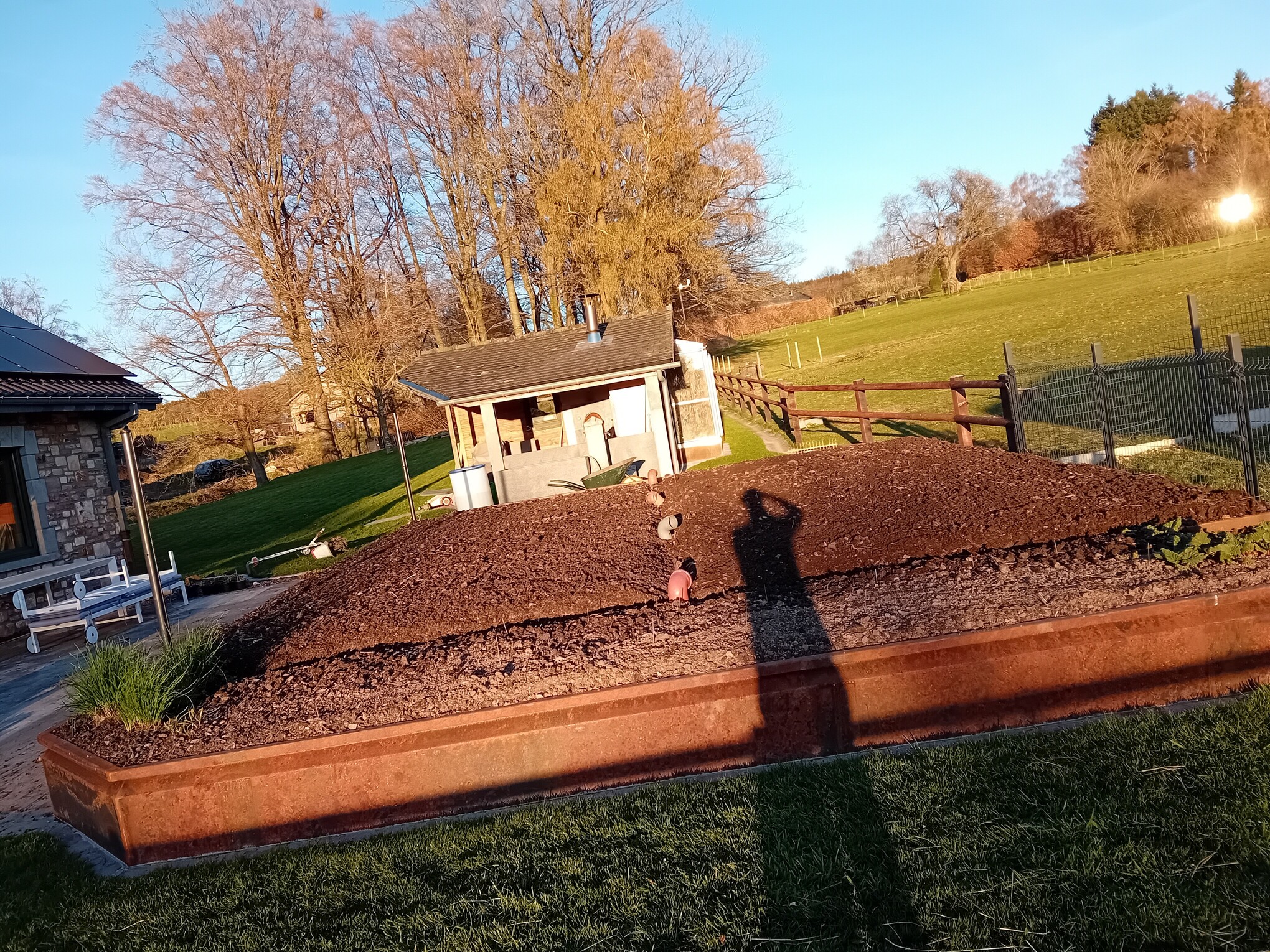
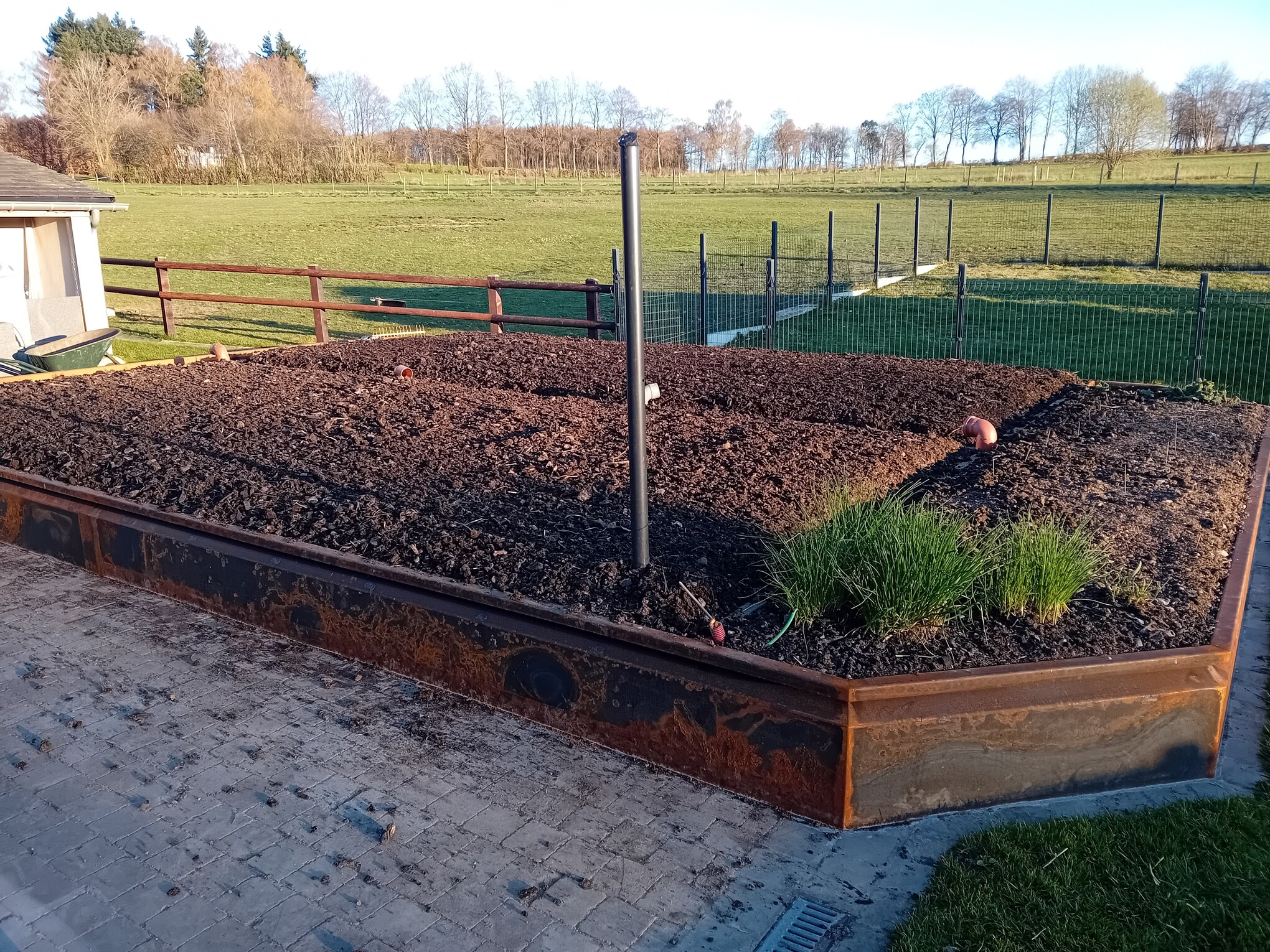
13 Likes
Whatever you do, if you want to recover the nutrients in the grass clippings this year, mix a bit of soil in it to get the micro organisms going. I would do it lightly and more as a mulch around the plants or just in the rows. You just need a dusting of dirt on them like 1cm deep. Or you can apply a compost tea wash like Elaine Ingham’s soil, food, web and use healthy forest soil instead of compost. It is just to inoculate the soil but you would do something similar for a compost bin.
There is probably some nutritional value in the gasifier juice. It may need to be watered down. I don’t exactly know what is left in it, and I am sure it varies. Wood ash can be used lightly. Some plants don’t appreciate it at all, others like it, and I am sure that is the same for the juices.
And I think you are the one that lives across the street from the park area. You could be neighborly and mow and bag for them a few times.
8 Likes
Way back in the 70’s I picked cucumbers for a farmer friend in Massachusetts. He rented a field that was marginal but over the years he applied chicken manure to it. He got the manure from an egg farm and trucked it to his field in a small tank truck and just sprayed it on. It really got the cucumbers going. Unfortunately one year it caught the eye of the landlord who decided to kick my friend off it and farm it himself.
The manure worked great but man did it stink. The town folks always complained after application day for about a week.
Edit: Oh, and the manure was free for the taking. The egg farm was grateful to get rid of it.
14 Likes
I have too small quantities of horse manure.
I was thinking about whether I should break up a new plot of land for the potatoes, I know there will be problems with weeds but I shouldn’t have to fertilize there?
6 Likes
Honestly the easiest way to solve this is to Pee in a bucket. Urine is high in nitrogen especially if you eat a lot of protein. You get like 2 liters a day. Then apply a little bit to the side of each plant. You can probably do your entire garden plus some. The grass clippings are high in nitrogen as well. Coffee grounds are too if you know someone with a coffee shop. Lightning provides nitrogen as well.
5 Likes
If it’s a new plot that has been left fallow and therefore hasn’t depleted its resources, then yes, it should normally work (depending on the soil type). But potatoes are heavy feeders.
If I were to plant potatoes the way you want, I would prefer to plant them on a small plot with fertilizer, choosing fewer plants that produce a lot rather than the other way around.
At harvest time, regardless of the quantity produced, each plant will require the same amount of work.
4 Likes
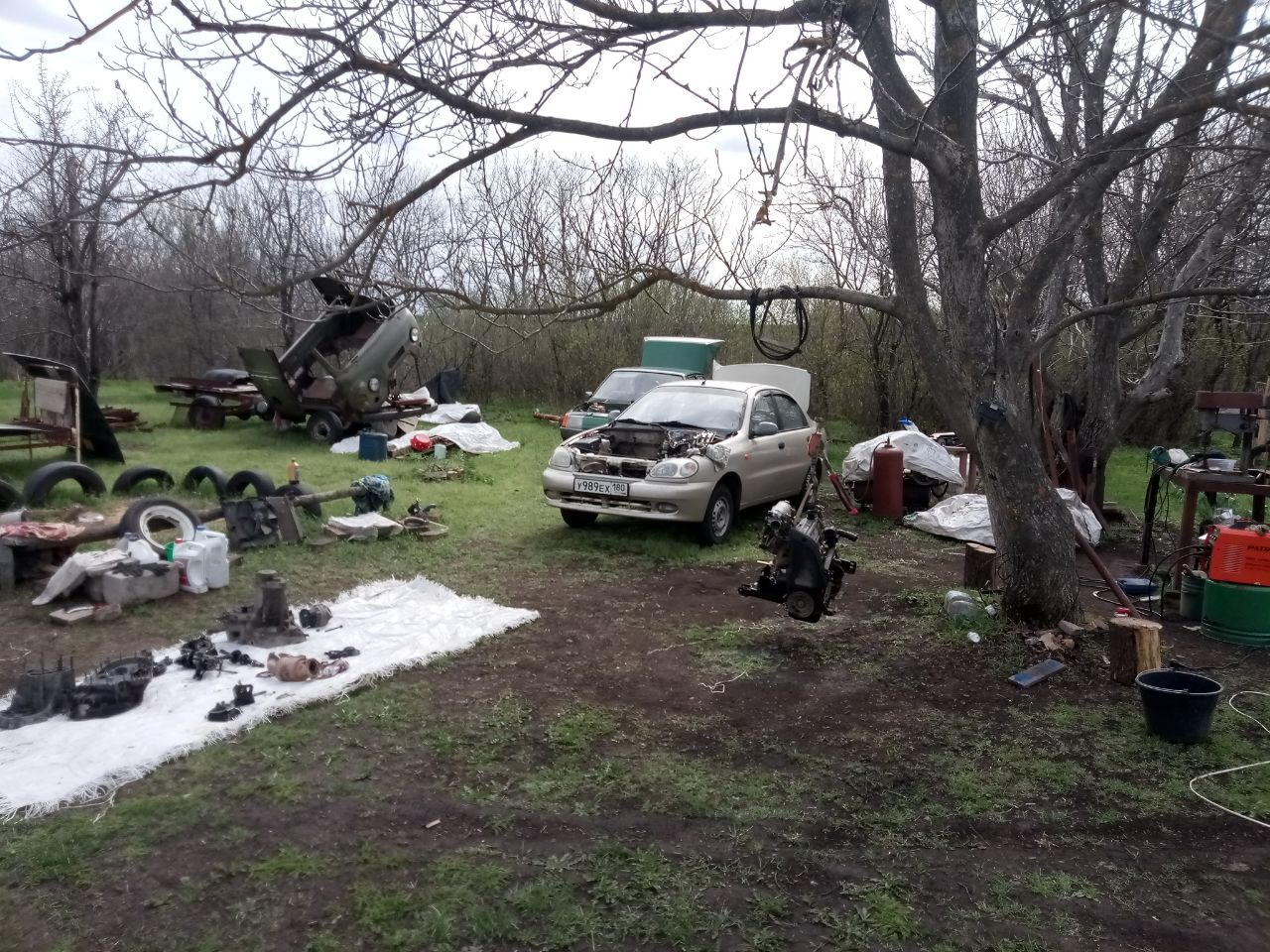
The eldest son bought himself a used car. This is ZAZ Sens, aka Daewoo Sens - the body of Daewoo Lanos, but the motor and gearbox of the Melitopol Engine Plant MeMZ-1,3L.

On our Tavria there is a MeMZ-1,2L and the same gearbox. But only the body has rotted badly in the load-bearing parts:
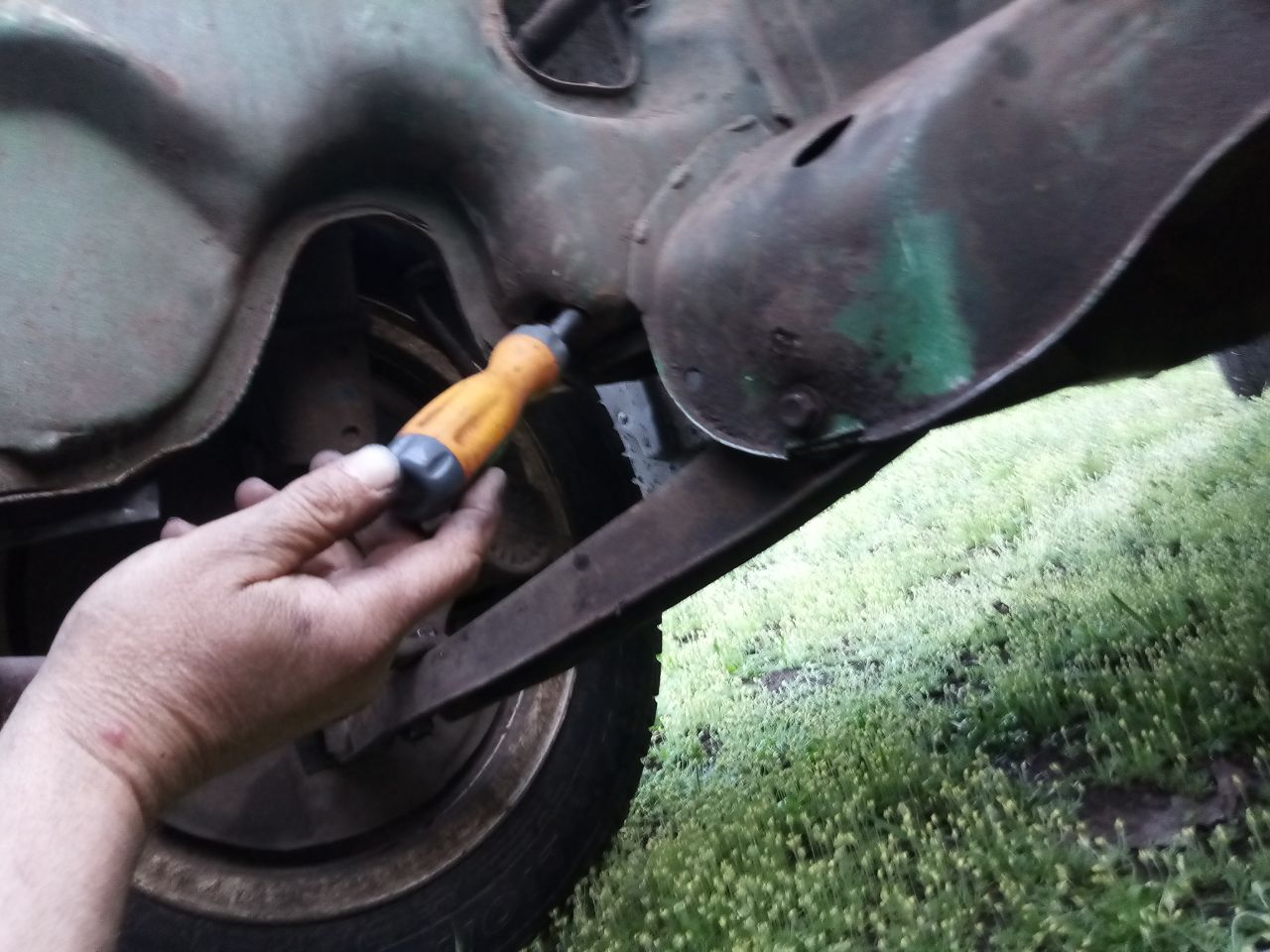
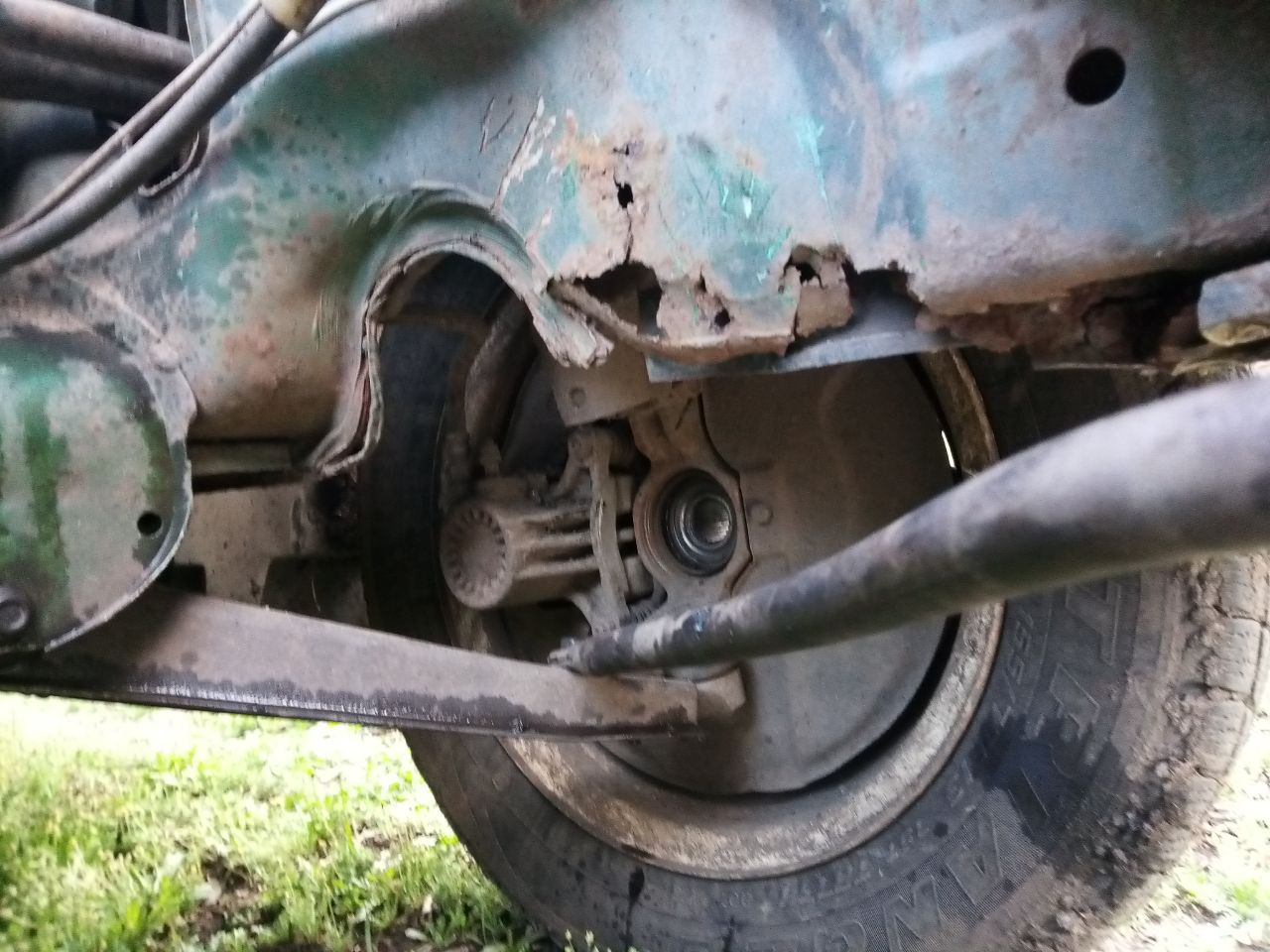
Therefore, it was decided to rearrange the gearboxes from our car to my son’s car. It leaks a lot, because it was assembled by the previous owner without gaskets and without sealant! Just one big black piece of shit with oil under the hood. In addition, the reason for the replacement was the crackle from the gearbox at the start. We decided not to delay the repair.
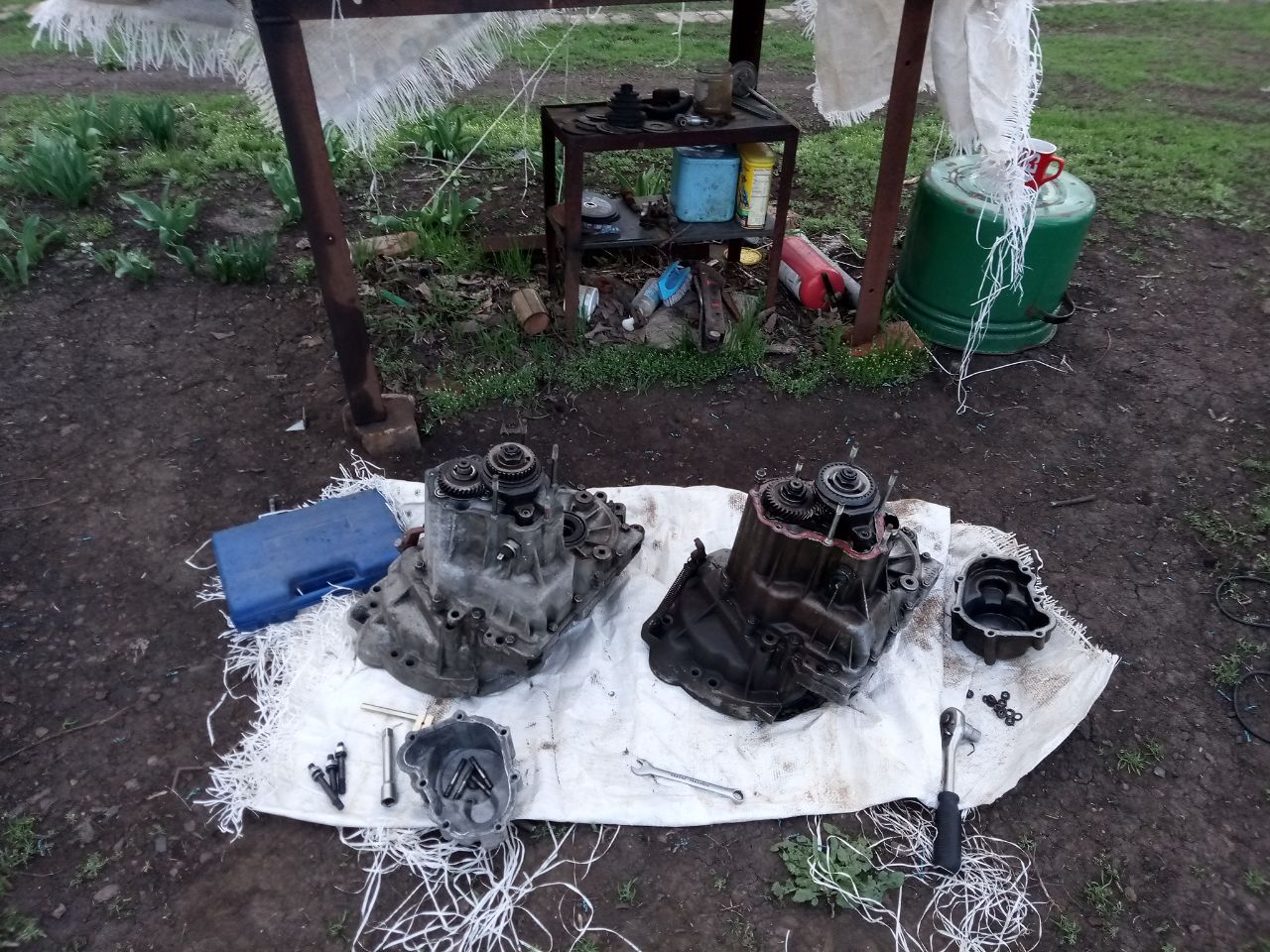
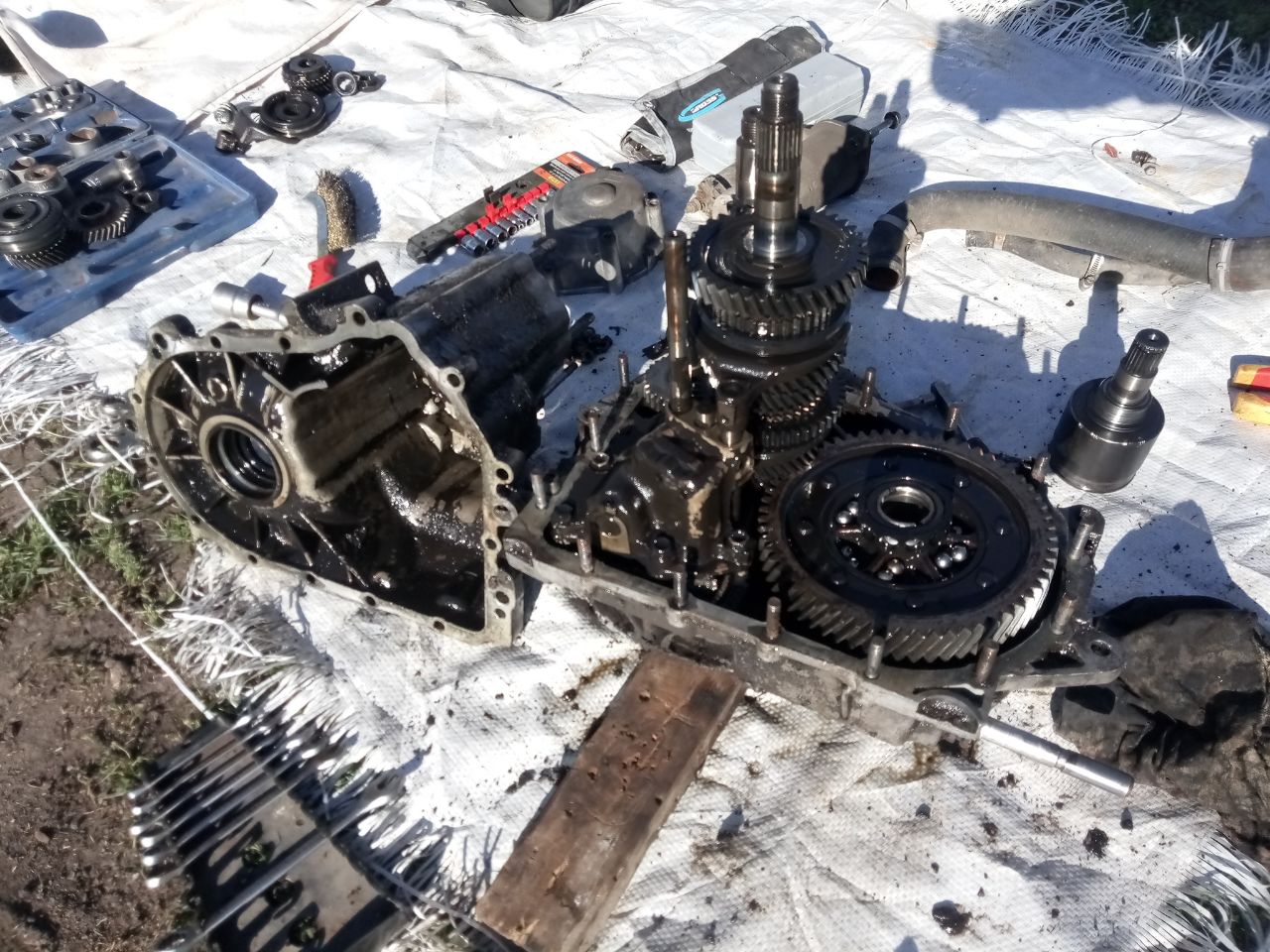
The inner magnet is covered in iron filings. Although the teeth of all gears look intact.
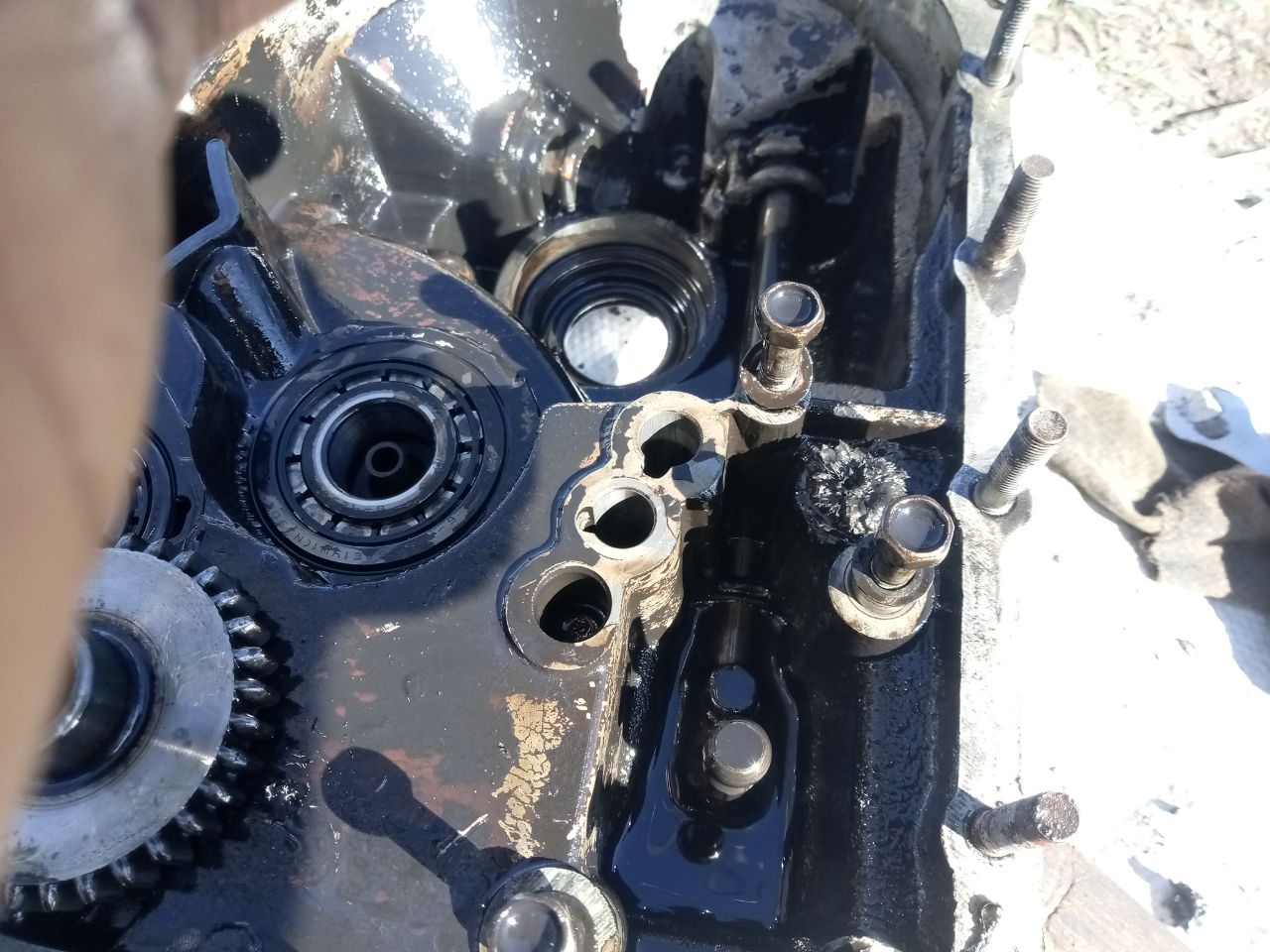
Some idiot put spherical washers under the gears of the half-axes in the differential to eliminate the gaps…
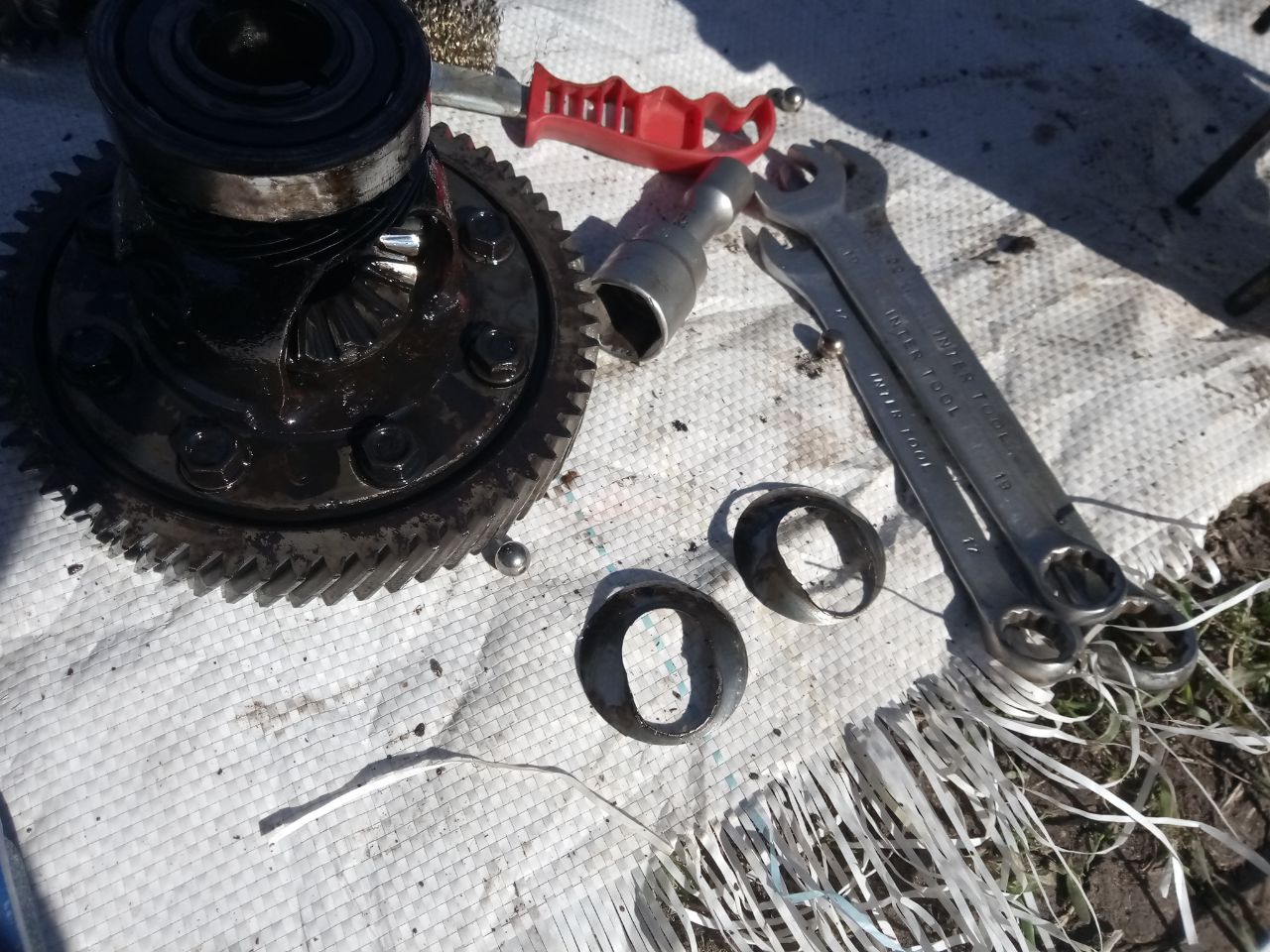
There should be no washers in the instructions. Especially without fixing them. So the half-axes ate them. If we had reached the end, these washers would have flown around the gearbox and been chewen by its gears in an adult way.

We started to sort it out with the youngest son 4 days ago in the afternoon, it dragged on until night:
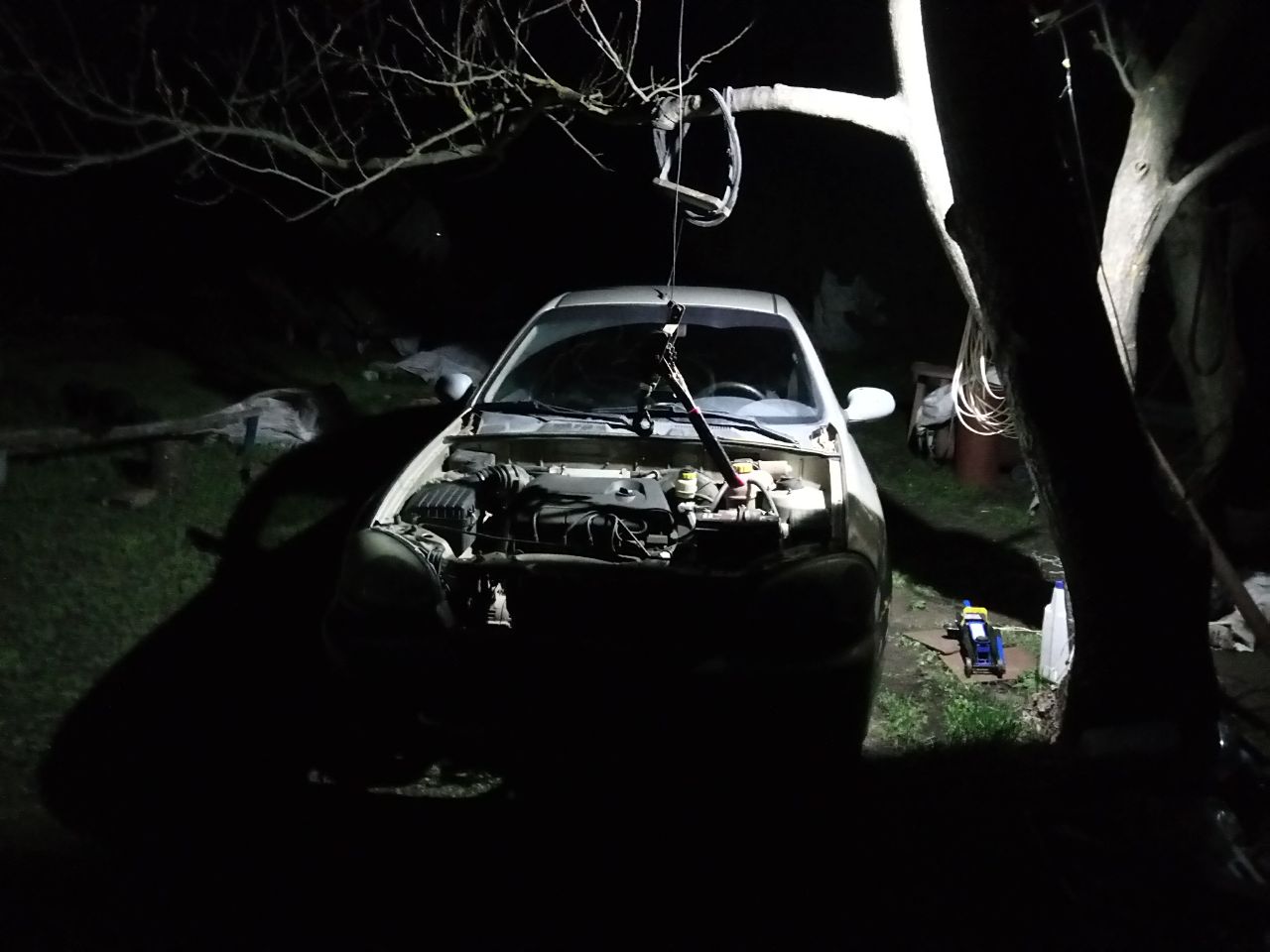
Almost the end of the work of the Service Station called “The old, but still strong nut.”
17 Likes