I thought exactly the same as you, but as you can see from the graph, it shows something different, that’s something I don’t understand again.
3 Likes
If you have a small nozzle with high velocity
or a large nozzle with low velocity.
The higher velocity, will go deeper into the middle of the combustion zone, and will stir up the fire, knocking ashes off and giving more surface area. Giving the effect of a stirred up, larger fire with more surface area. Kind of like the difference a flame and a swirl burner.
The object for pyrolysis is to get it hot enough to release gases and adding as little oxygen as possible.
7 Likes
They didn’t have different sized nozzles, the diameter of the nozzle head is 265mm.(10,43")
The difference is in the narrowing, the one that gives the best gas and the least resistance is 87mm,(3,424") the other one which is 124mm (4,88") gives worse gas and higher resistance.
5 Likes
This could be very hard to calculate, a bigger restriction may let more char down in reduction zone,(not because of the bigger area, more of the lower temperature in the restriction) which leads to reduction zone becomes constipated.
This is very difficult calculations, which almost only can be tested out.
10 Likes
If I look at the middle graph, it shows that the gas temperature after the unit is lower with less restriction, which it should be if the gas has a higher calorific value.
Could it be, as you say, Göran, that the less restriction creates higher gas speed so that the charcoal in the reduction cone is cleaner?
2 Likes
Need help again, when I’m out in the woods, driving slowly around 30-40kmh.
After 20-30km the car usually starts to pull poorly forward, it seems like the oil in the gearbox gets too hot, if I put it in reverse it goes hard.
I’ve just changed the filter and oil, could it be the solenoids that are bad?
Or is it that the gas is bad so the engine can’t handle it, which causes the gearbox to get hot?
It works fine when I drive as usual on the main road.
6 Likes
JanA.,
When you are forest roads traveling at the slow speeds are you shifter lever holding the transmission locked into the lower gear ranges? This will force the pumping pressures to always be forced high. This long time forced pumping will overheat the transmission fluid.
I know. Been there. Done that. For a full week driving back and forth to work in a freak in early March week long heavy snow fall. Always held down into 2nd range. I overheated burnt my transmission fluid. Took three changes then to get it mostly flushed out, and back to “normal”. I learned it must be allowed some time in top ranges at a cut back system pumping pressure. Not always at pumped up ready to power burst perform.
S.U.
10 Likes
Jan, my 2000 Chevy van with the 4.3 V6 and automatic transmission is an all-wheel drive. It has a transmission oil cooler built into the radiator that has always been trouble, mostly due to rusted lines. Is it possible your oil cooler lines are rusted, bent, blocked, restricted or any other malady? that would help explain poor operation after sustained slow in-the-woods driving with little cool air flowing. The correct fluid must also be used, I think mine takes a fluid rated GM Dextron III or IV ? 
10 Likes
I have the gear selector in D when I drive in the forest, but since I drive so slowly, it shifts poorly between 1-2, I think. I never have any problems with the other S10.
8 Likes
Thanks, I’ll check the lines, my cooler is also built into the regular cooler, the oil is ATF DX III, I think that’s right, I have it in the other s10 too.
10 Likes
I went home and checked the pipes between the gearbox and the radiator, but didn’t see anything wrong with them.
I wonder if it’s because I have bad gas when I idle for so long, so the engine and gearbox have to work extra hard?
I think I’ve found the cause, but since I’ve talked about this before and no one has said anything, I’m not sure, but the car seems to run better.
3 Likes
Jan, since I found transmisson issues and week woodgas two completly different problems, I didn’t know what to say about a common cause.
But since you now found the problem - what was it?
10 Likes
I haven’t found the problem with it not running as it should, but I think it has to do with it getting so hot.
I think the engine gets weak when the gas is bad, and that the gearbox then has to work more.
I looked on YouTube and they say that the reason it runs poorly and gets hot is usually that the filter is clogged, but then it runs poorly both forward and backward, mine runs well backward.
4 Likes
If it is getting too hot. wash the radiator, and check the fan/fan clutch, or if it is electric hardwire or see if a relay is blown.
5 Likes
Those of you who understand electronics, is this something we can use for our cars to get the ignition right? I’ve looked at this one, but there are many others in this store. Is there one that you think is better or simpler?
3 Likes
Ok, nobody understand how it works?
Next question, when I was out driving I was idling for a while and then when I was about to drive off I couldn’t drive, I don’t know if it was the gearbox or the engine that was having problems, when I tried to drive off the car wouldn’t drive off. I turned the car off and turned on the petrol and the car worked as usual, what is happening?
4 Likes
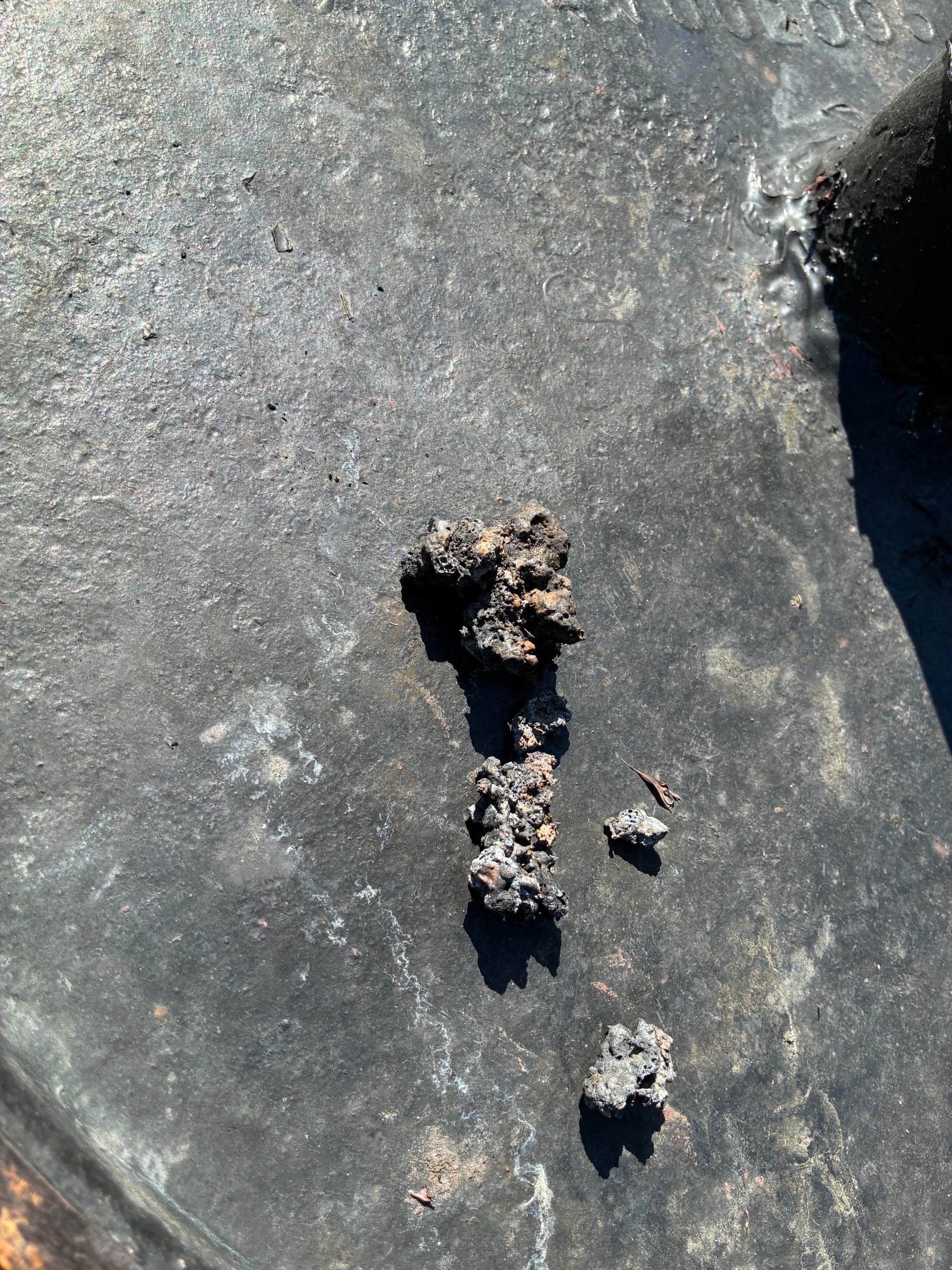
Have you seen what I found when I changed the throttle to the “right” size?
I thought you only got it when running on charcoal.
When I changed it, the car started running pretty well, but I’m a little unsure if I’m getting too much water into the engine, since I’m getting very little out after the radiator.
How much difference would it make if I could adjust the ignition 10-15 degrees?
Would it be noticeable?
I’ve also found why the car was slipping in the gears (I think) it’s due to the map sensor.
9 Likes
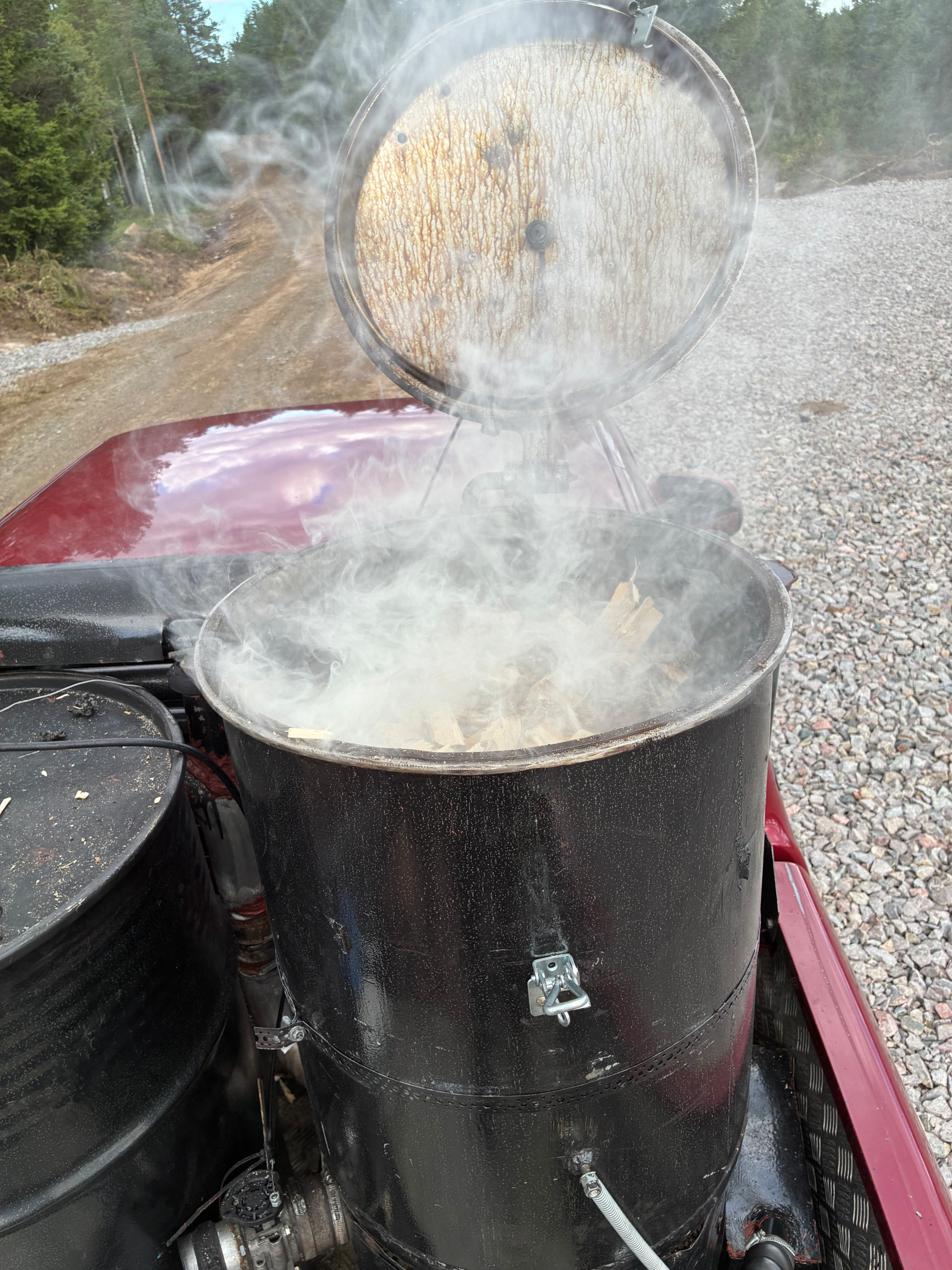
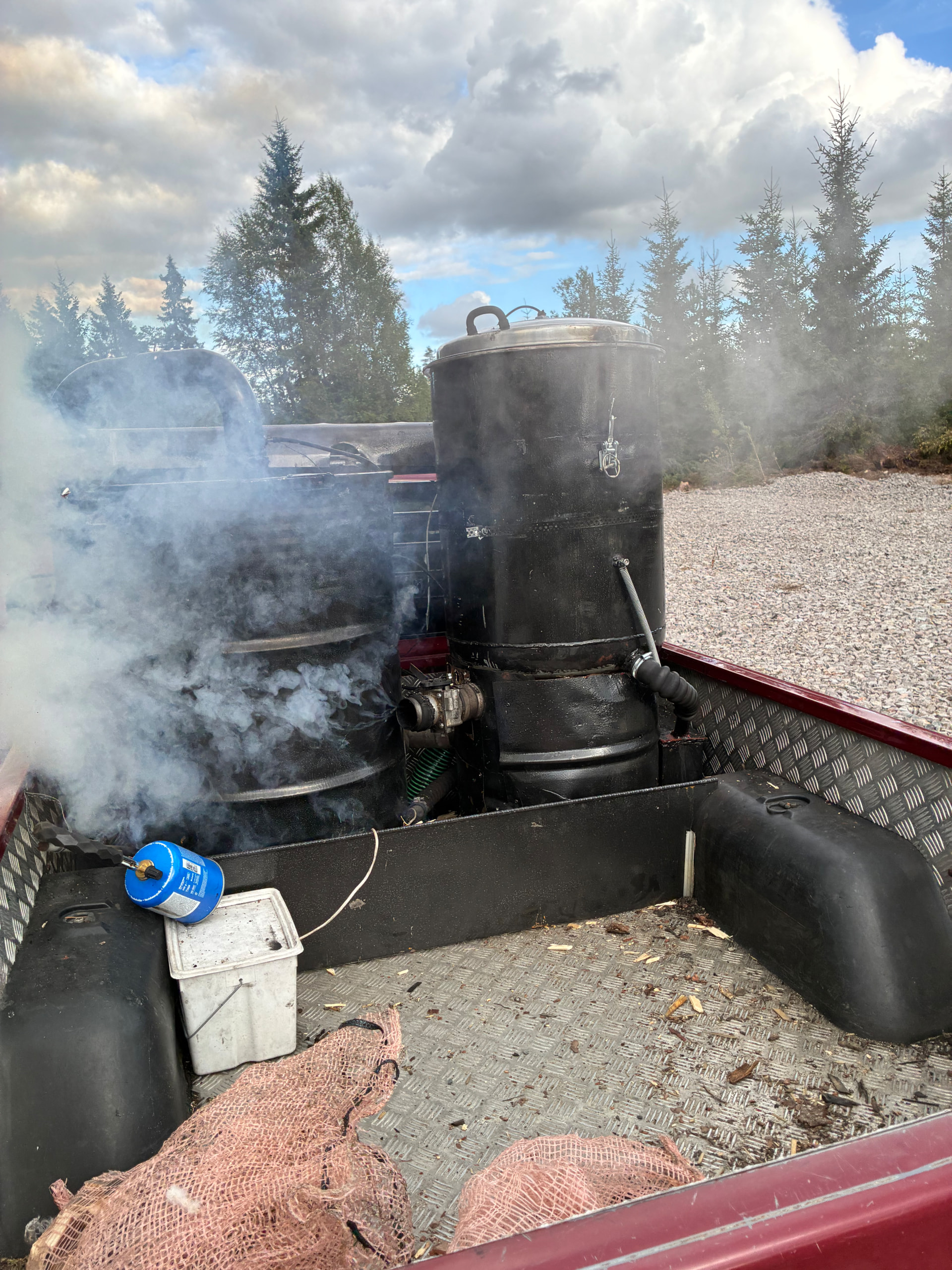
Refueling after the road, got a little puffy afterwards, do you usually light the gas in the hopper when you refuel after the road?
Do you have a link to the guy who imports the rebark Göran? @Woodrunner
I’m curious about your saw and cart JO, do you have any time ahead to show the things? @JO_Olsson
11 Likes
You are welcome any day, Jan. I will be be milling for at least another couple weeks before I disasamble it.
12 Likes
Hi Jan, i will try to find the company name/link, if they still in business.
I heared Niclas ordered one, i don’t know from where.
8 Likes