Hi David,
I’m not Steve, but I can tell you he’s not allone. You see, that’s how it works here - you share your accomplishments and in return you get comments and advice to help you out. It’s a win-win for everyone.
Just a few thoughts to start with.
I noticed you mentioned chips. Very few of us have experienced gasifying chips. First of all they are a pita to dry. Also, they don’t flow very well in a gasifier. If you’re very clever you may be able to add a bunch of automation to force them through the gasifier, but in the end you risk making tary gas that will harm your engine. That’s why the majority of us run chunks - so much easier. Charcoal is another option, but it adds another dimention making fuel.
Replacing, as you say, 1000 kWh per year with wood seems doable though. Especially since you already have the infrastructure with batteries and stuff. I’m not sure you will save any money once you’re disconnected from the grid, and certainly not if you factor in your time and effort maintaining the equipment. But the knowlidge that comes with the experience is worth something too. So is all the fun.
While reading up on all the available information you can always start collecting stuff. Tanks, tubing and plumbing for condensation collection, heat exchangers, gas cooler and filters all require material. Not to mention the gasifier itself. It’s always nice to have a lot to choose from once you start building.
Hello,
Okay, I understand. I don’t mind sharing my knowledge and progress at all, quite the opposite
From what I understood, the smaller the pieces of wood, the easier they fall into the hopper (but sawdust is too small and clogs). So I thought wood chips would be more practical for future automation. But it seems more complex than that, so it needs testing, but producing either type isn’t too much of a problem.
The goal of the system isn’t necessarily to make money compared to diesel, for example, but to have an alternative that makes me independent and uses a short supply chain. As Matt mentioned in his project, if it’s about making money, by the time I’m processing the wood, I’ll be working, and that earns me more.
Regarding the equipment, I already ordered some when I installed my turbines, and the delivery time is quite short, so I’m not worried, but it’s good to think about it, thank you.
I appreciate the courteous nature by which you expressed that translation request. I must say that with my history of having had a close relationship with DOD government programs and the evolving litigious machination’s of EPA and OSHSA I’m concerned about looming government restrictions on anyone to “drive on wood” on public ways. I’d suggest even changing the verbiage to give the impression of a group interested in shared designs for biomass utilization so as not to attract the ire of ill informed global climate crisis elites.
Hi,
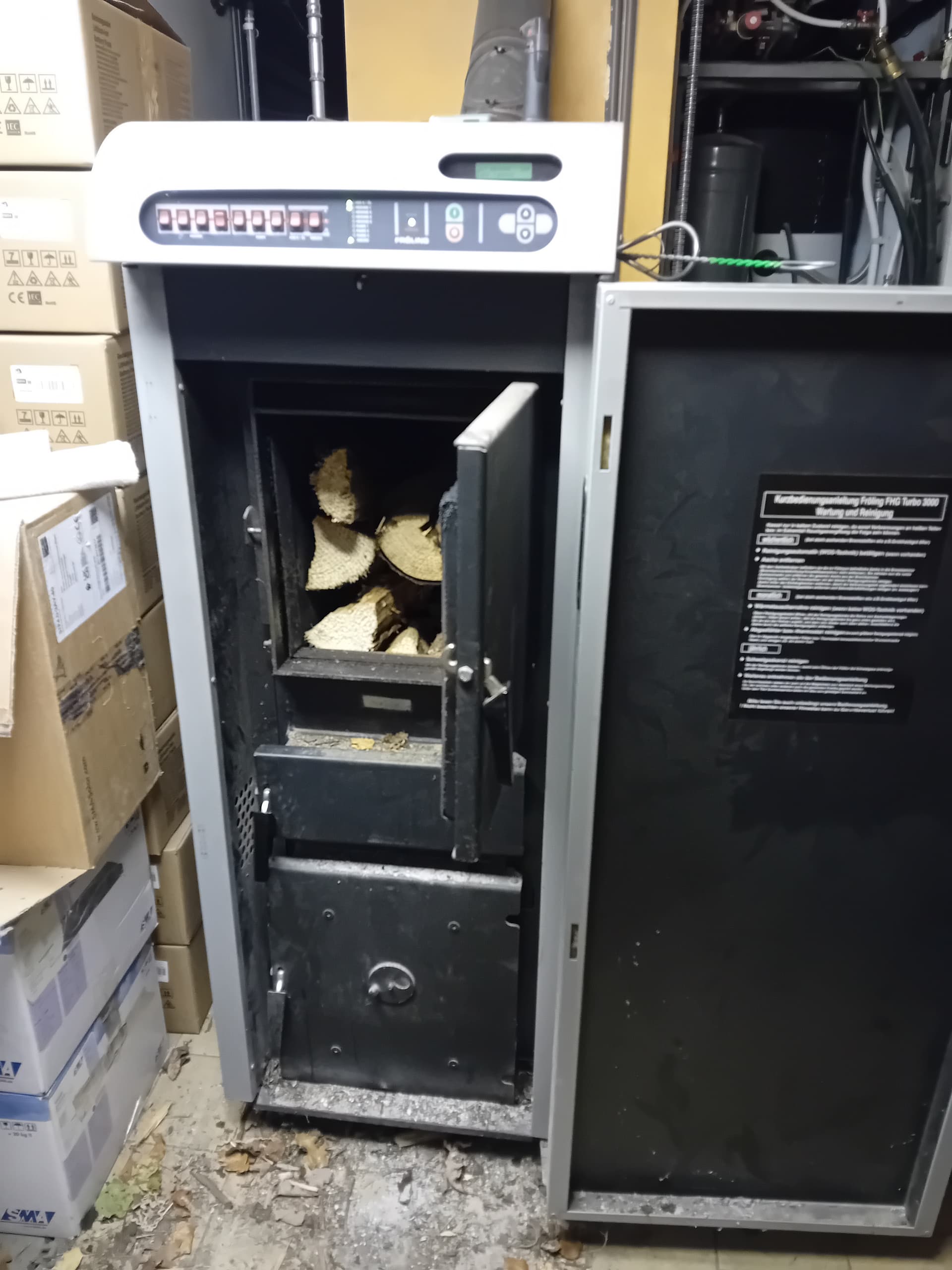
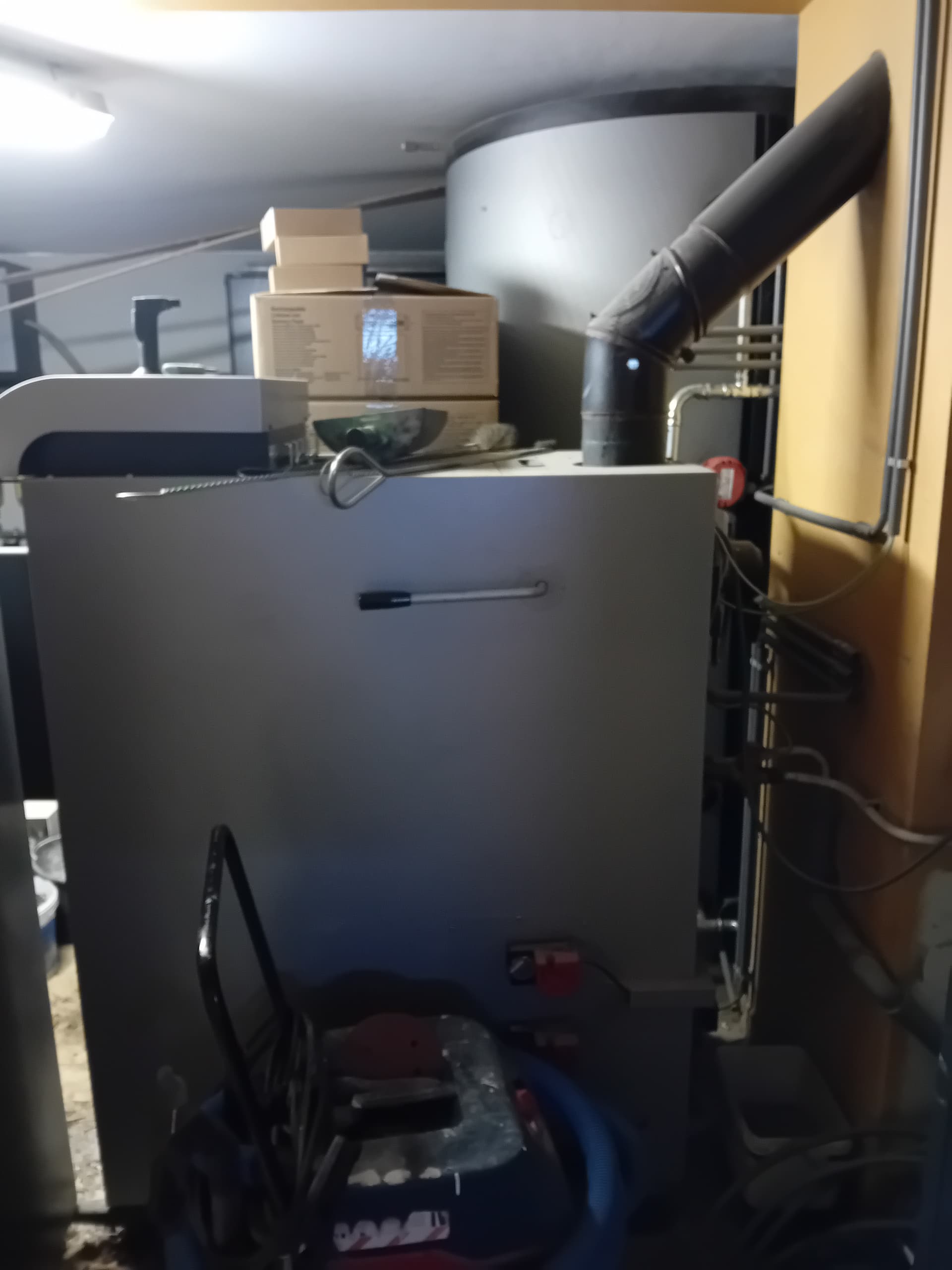
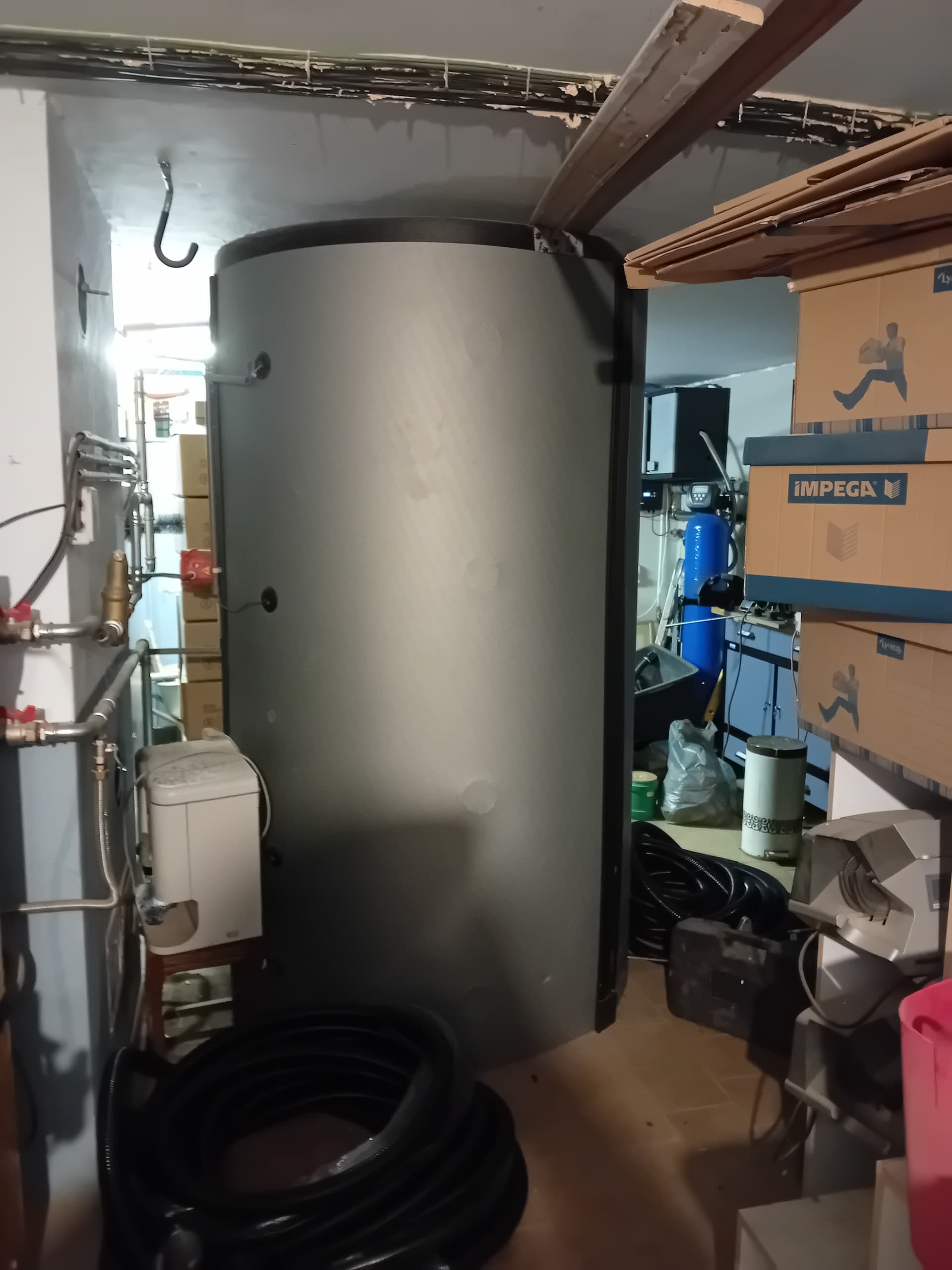
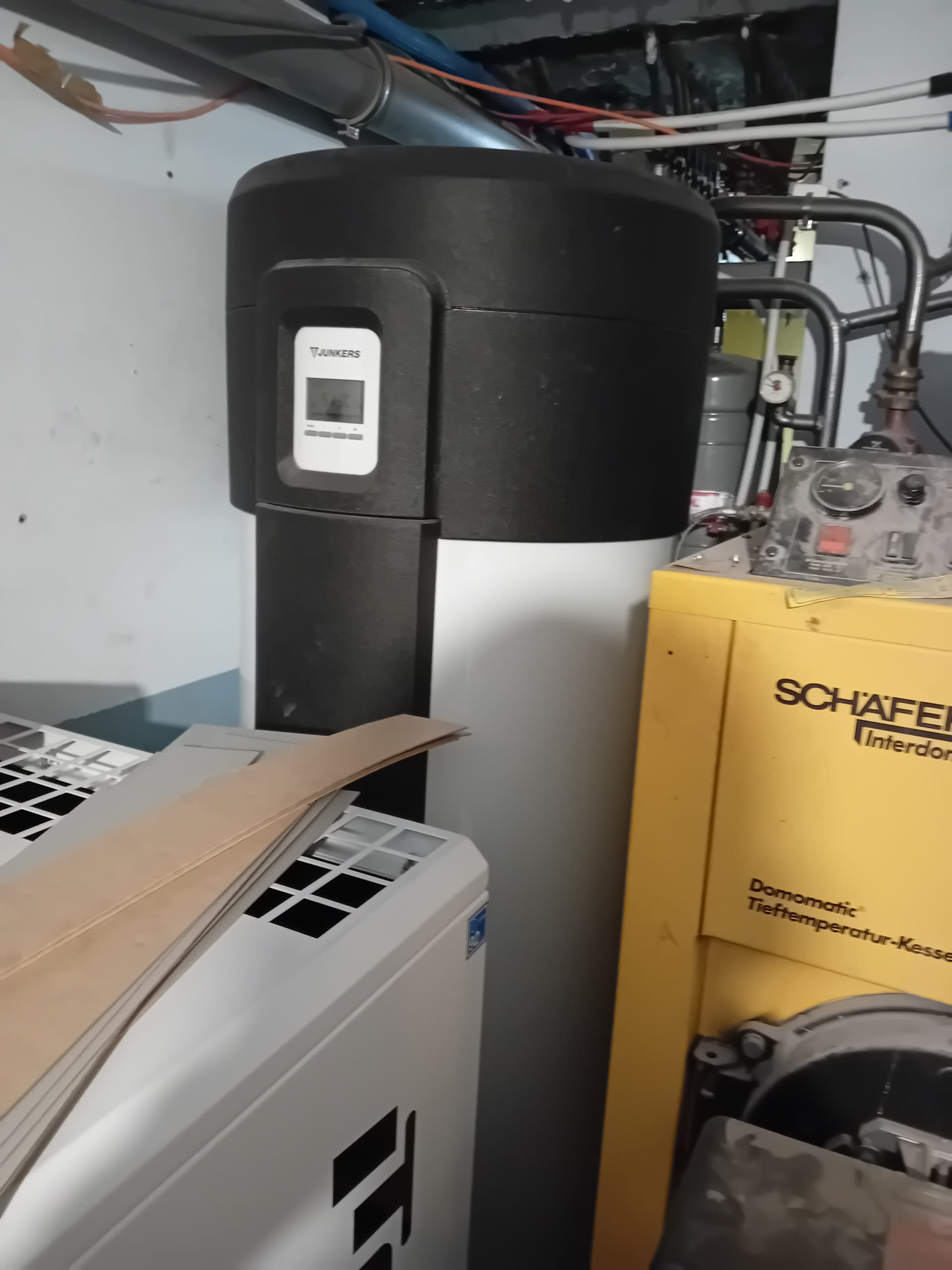
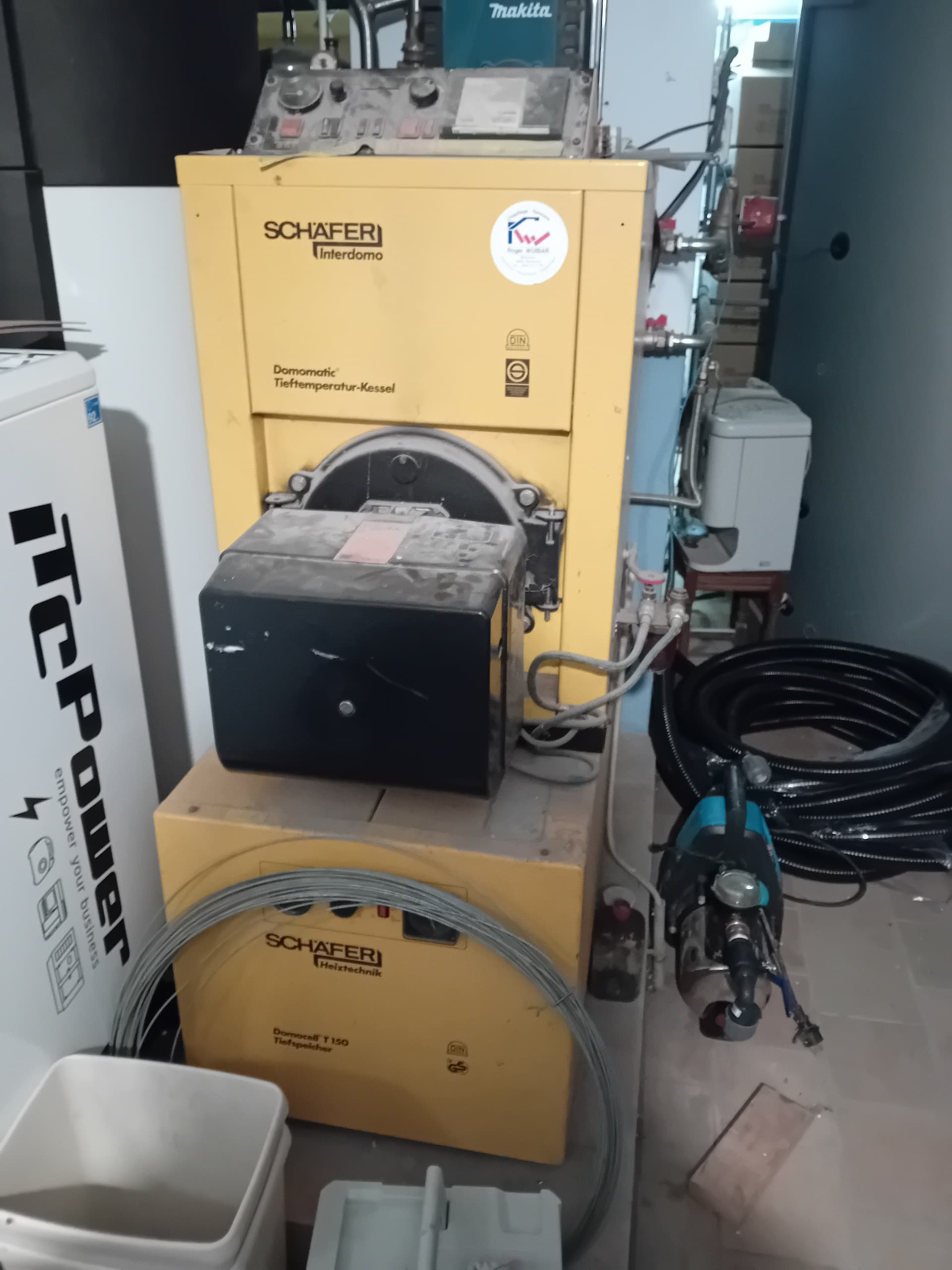
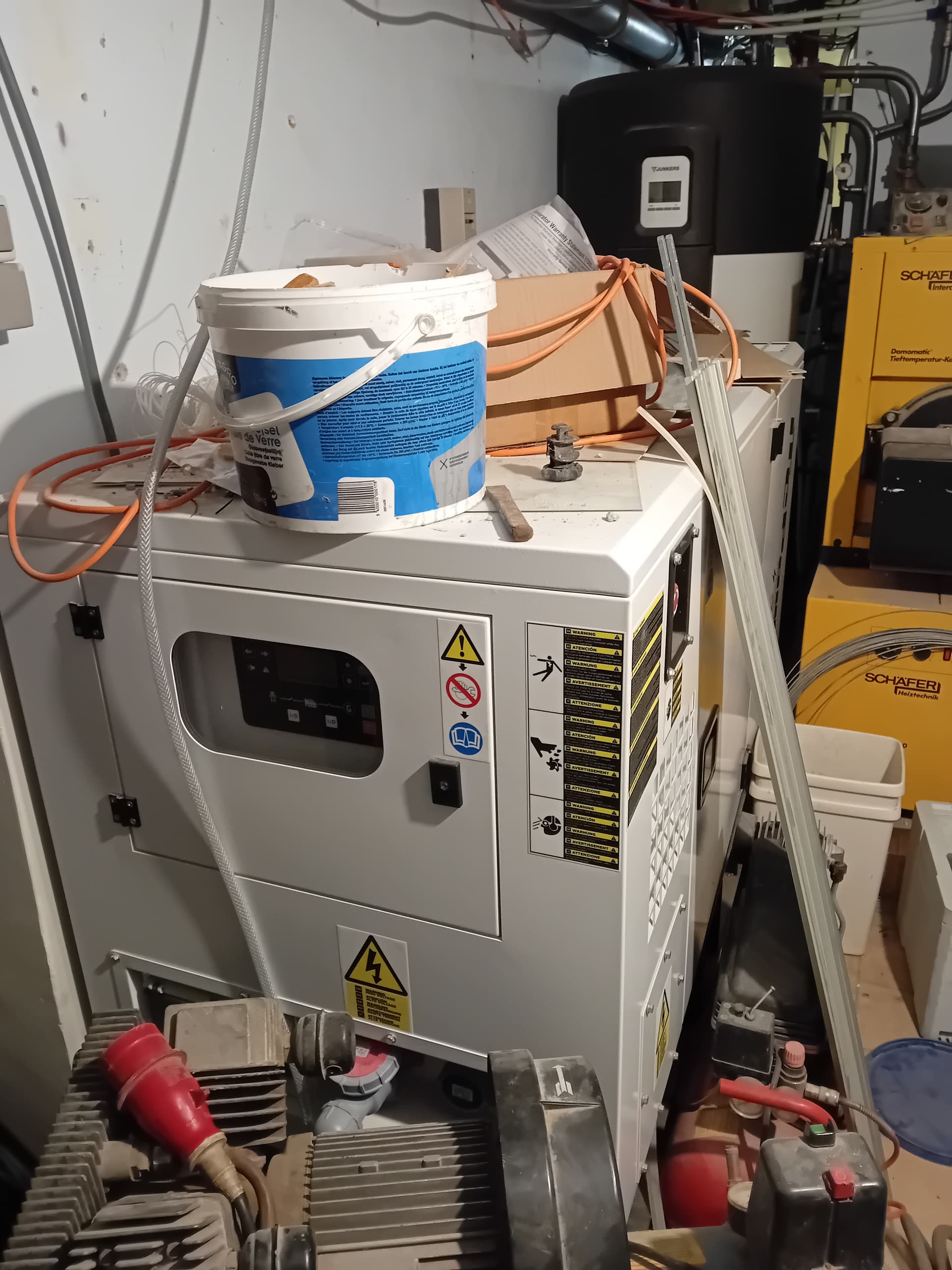
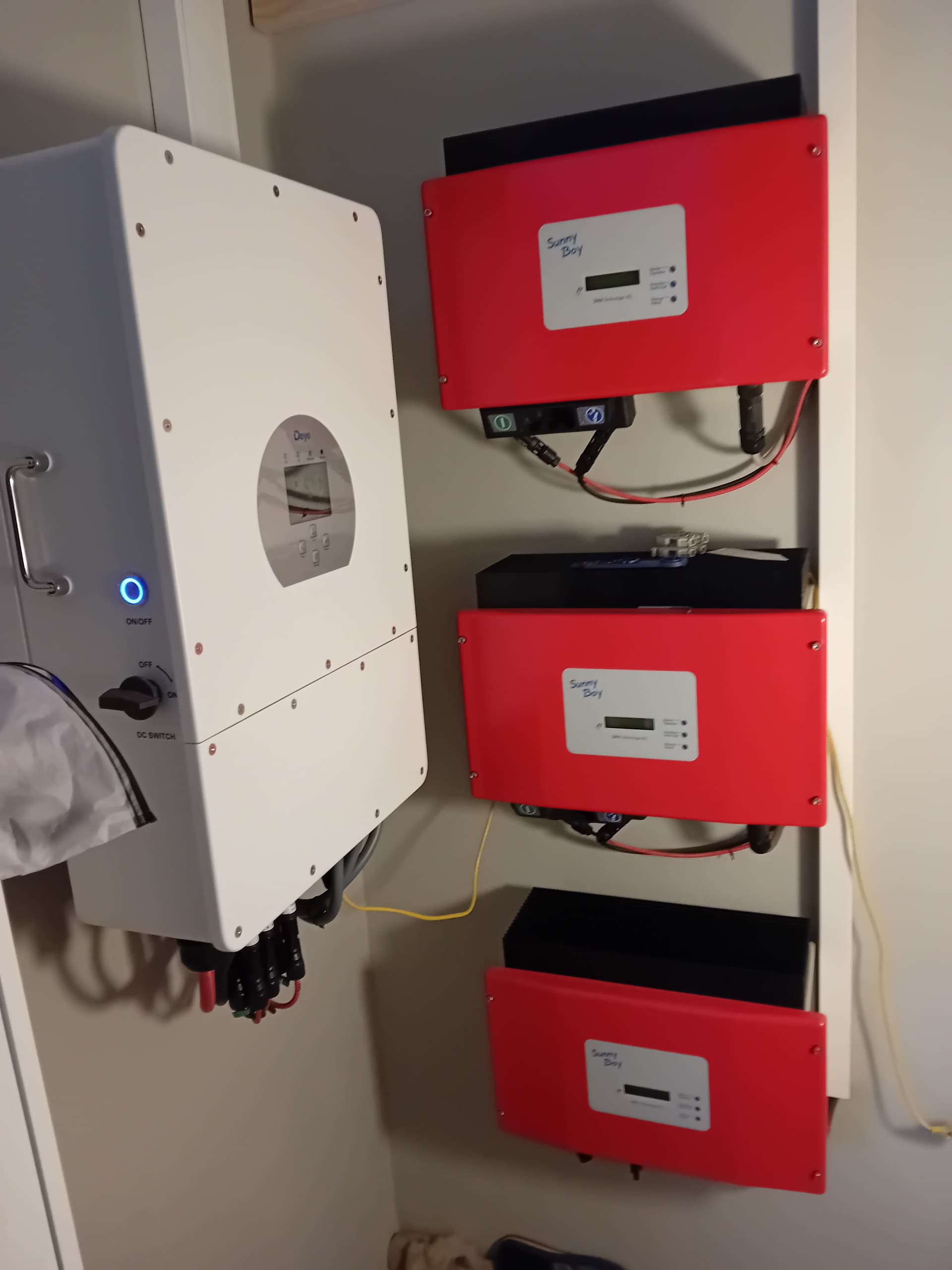
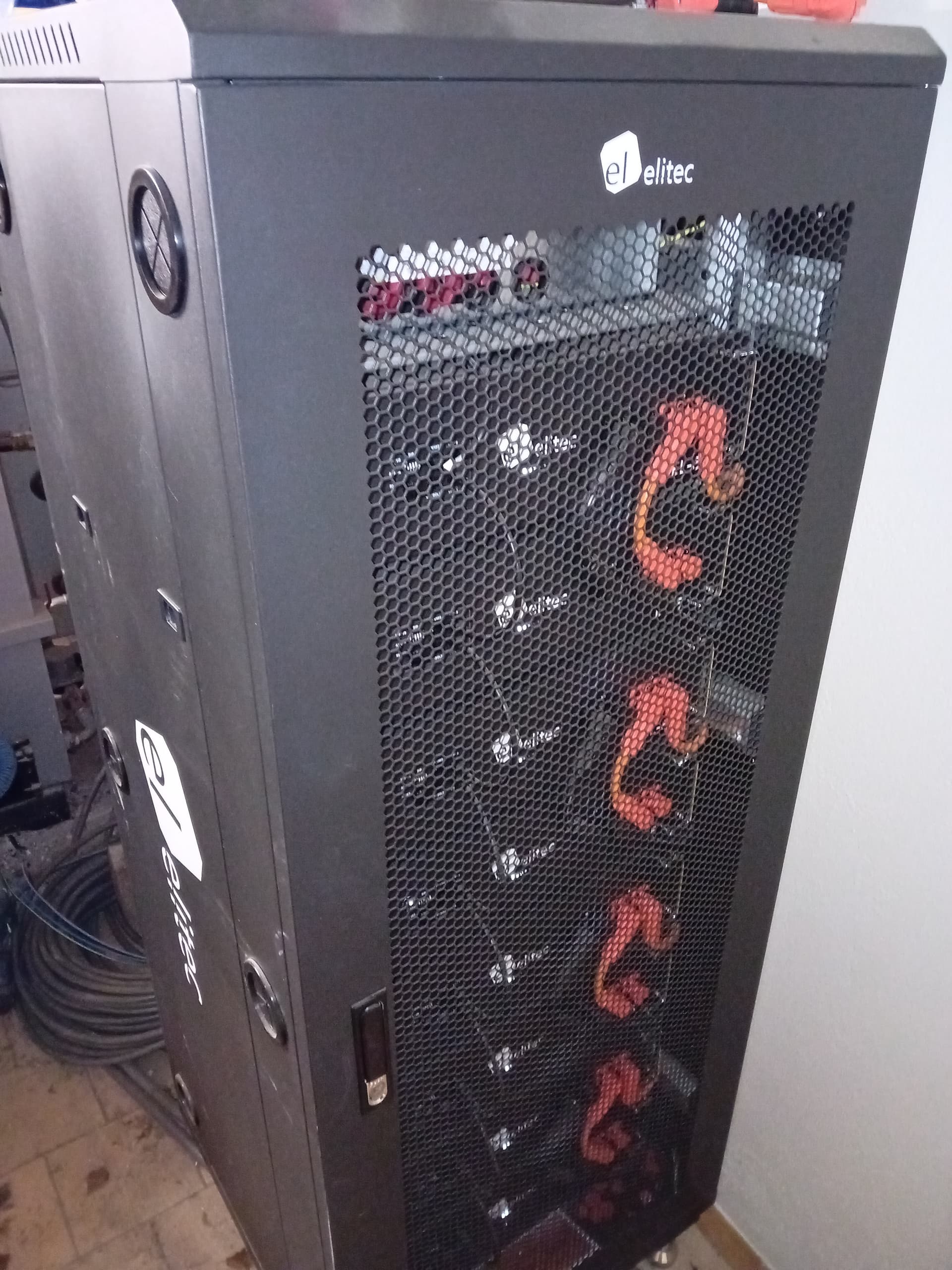
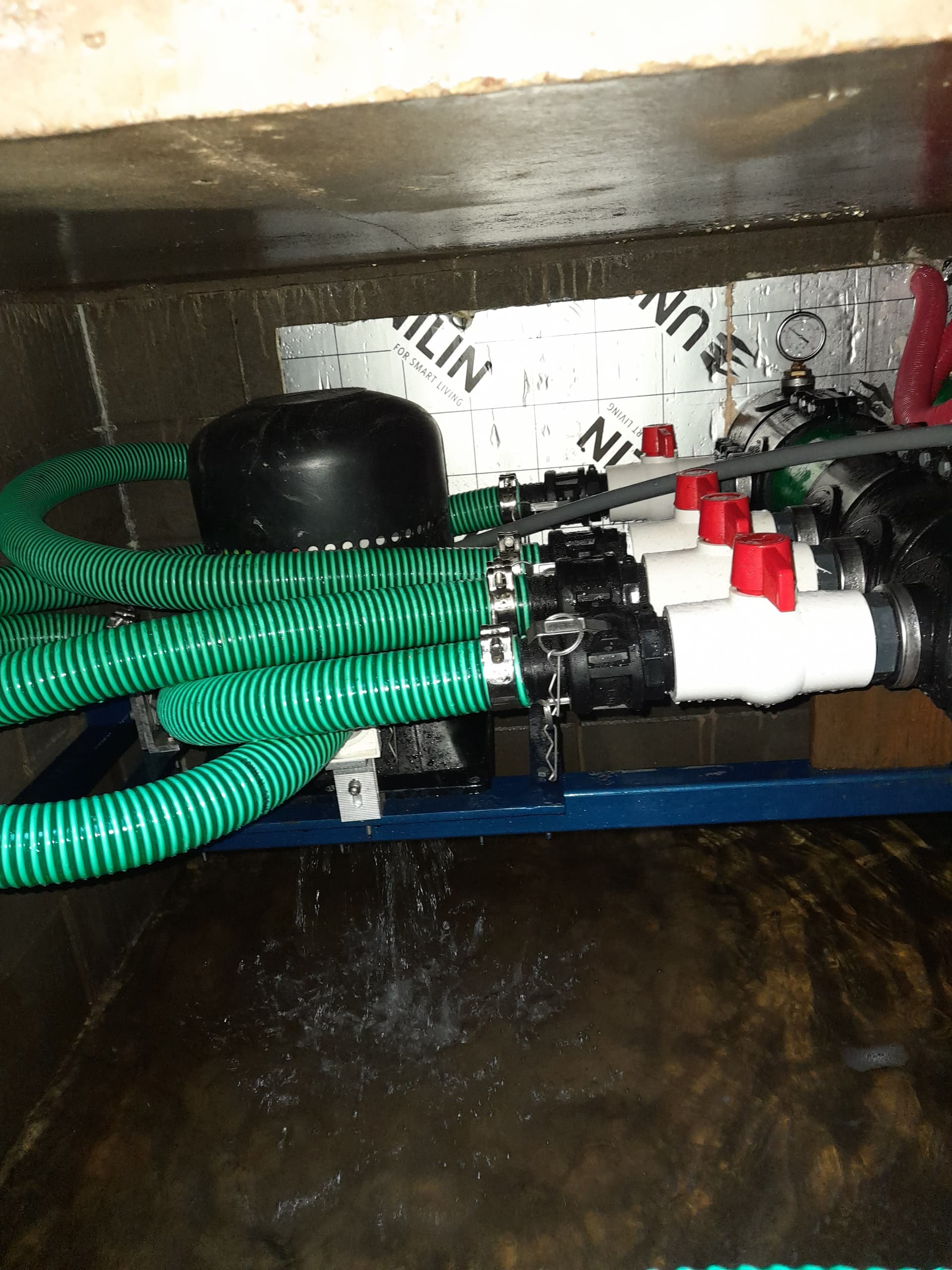
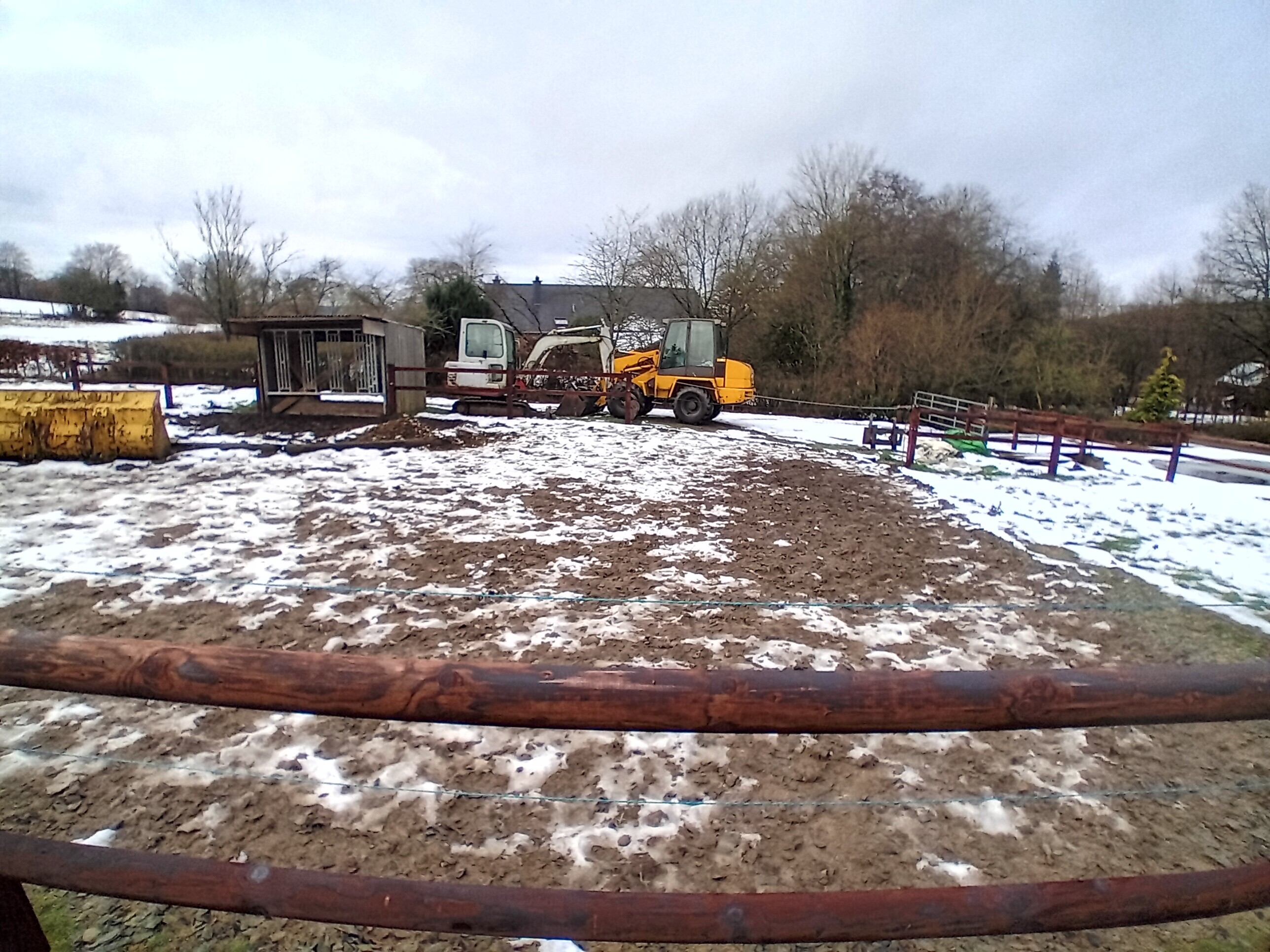
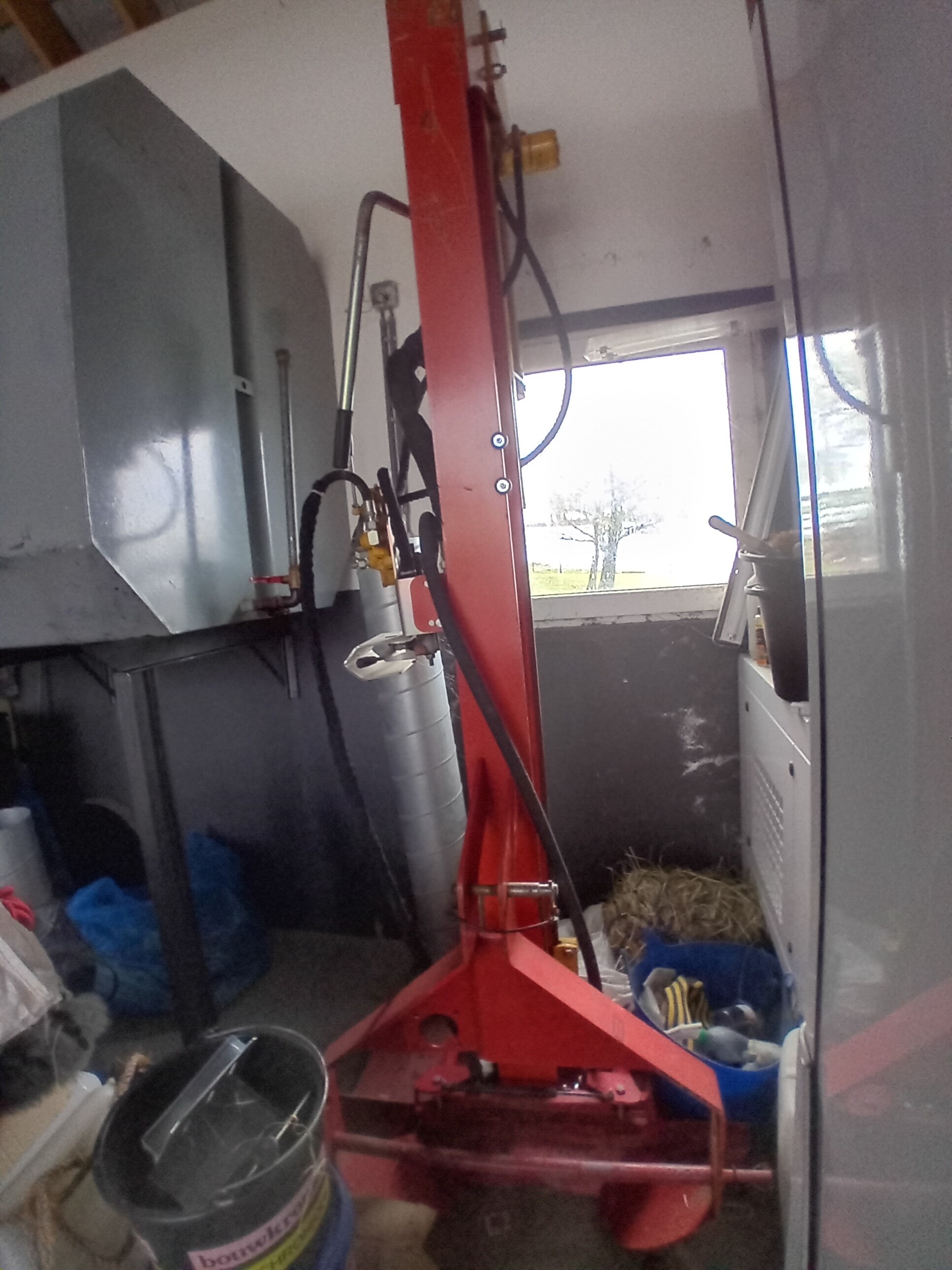
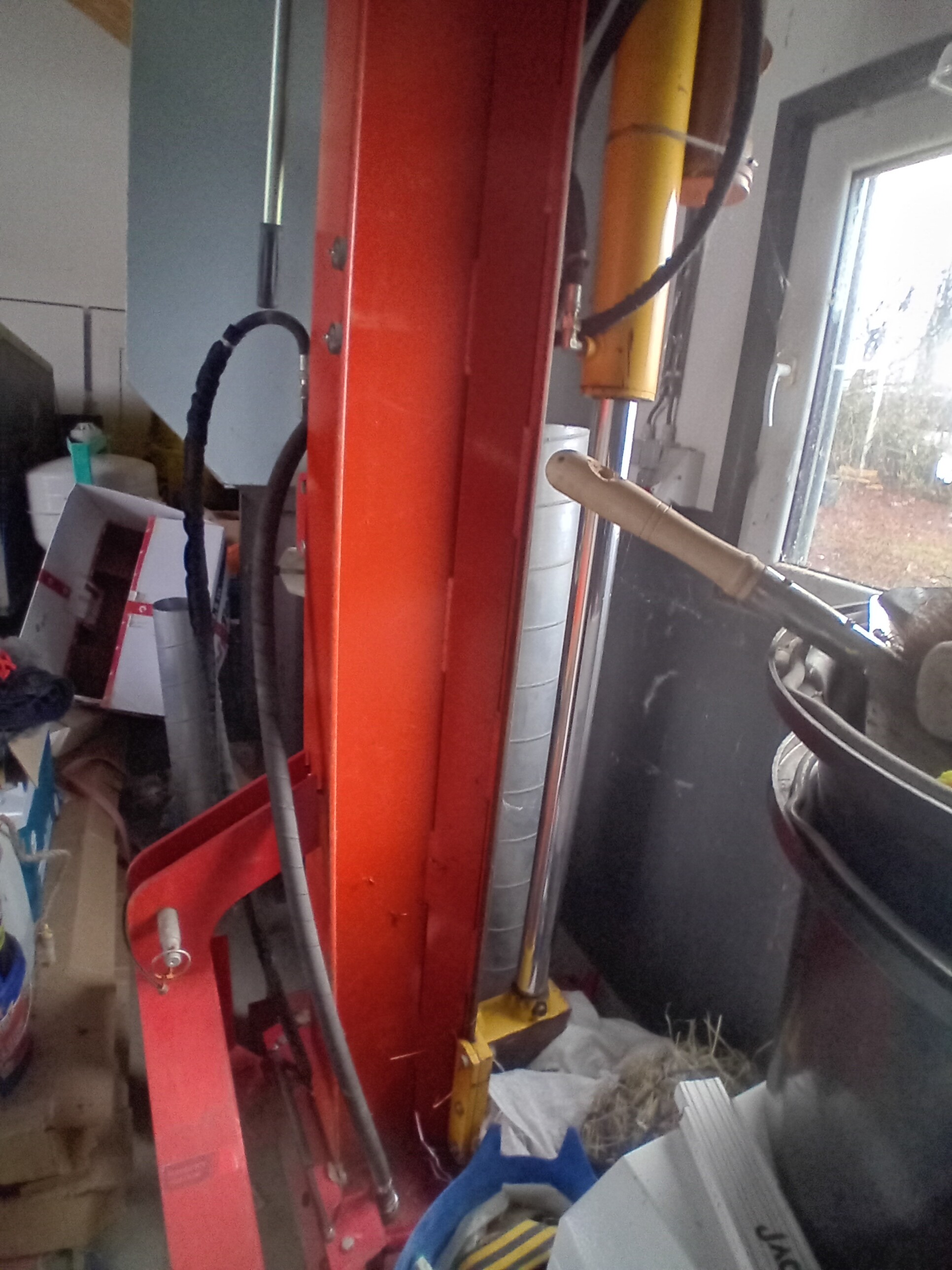
Here’s the moment some of you have been waiting for. I’ll start by showing you the equipment in the cellar. I took the photos this morning, so please excuse the mess.
This is my old diesel boiler, I haven’t used it for a while but it still works for the heating part of the house, it is also connected to the 2000l buffer tank.
Here is my 14kVA (11kW) diesel generator. It’s not yet in its final location; I plan to install it in my neighboring building this spring because I prefer not to take any risks with CO2 emissions.
Deye (white) 12kw inverter with complete management (generator, battery, backup, panels, turbines, grid,…) and the 3 old SMA inverters, not used at the moment.
Elitec batteries (I don’t particularly recommend them because the Belgian supplier is incompetent), 8 cells of 5kW, so a total of 40kW with 32kW usable. Placed in a rack.
Impressive your ongoing commitment to become energy self-sufficient DavidP.
On the wood-to-liquid house heater I see yours uses split lengths of bulk wood.
Same-same as all US/Canadian (and most EU) high efficiency bulk fed wood heating stoves.
The fed wood lengths then gravity settle needing no automation. Automation mechanics down in the combustion and reduction HOT zones are failure points and require a lot of in-use replacements of heat eroded, and heat warped parts.
Now to next steps convert your existing wood splits to gasifier chunks only requires some fine splitting; then sawing or shearing chunking up of the splits.
The allure of seeming easy just higher power requiring whole log and limbs chip it all up for then later “easy” auger-in feeding is a road to Huge amounts of then needed mechanical automations.
Many of us here with decades professional experiences with automations to earn livings, now strive hard for simpler, See-Do systems. And when it inevitably does Not-Do: then easy to repair systems in our personal lives now.
Your thermodynamic hot water heater would be called here more commonly; a heat-pump system. Located in the space with lot of heat generating electronics, a good way to actually utilize those heats.
Yes wise to relocate an engine driven electrical generator outside of the actually lived in dwelling building. Noise and fuel oil smells. She who must be obeyed, will rightfully complain.
If you want to next step automate I’d suggest a fire detection and halon gas fire suppression system with all of these in-failure heat sources. I collect up old set aside halon hand extinguishers. As a former modern auto technician they have saved me a few times from ignited gasoline fuel fires. Gasoline in the summer and around hot engines is evil wicked.
Propane (LPG) and diesel are much, much safer.
Welcome to the site David. So much to learn and think about. My advice is start simple and build something. Everyone that has posted here is smarter than me and I say this without false modesty so I know for a fact that in a couple days you can build something that will power a small engine. Start with Charcoal. It takes out the danger of gumming up valves as often happens until you become adept at using raw wood. Look up the topic of Simple Fire. Check the many small easy to build gasifiers MattR had on his Thriveonwood thread. Once you have run a small engine a while then you can get involved in more complicated wood gas systems if you need to. I never did. It’s just the proving to yourself that you can make gas and thereby make power, that separate an actual wood gasser from the many that started to complicated and quickly gave up.
Hi Tom, thanks for the welcome and the advice. From what I’ve read, the hardest part is cracking the tar, and I assume that with coal, this step isn’t necessary?
I’d like to build a single system and not have to do any trial and error, since wood gas generators already exist thanks to people like those in the community or people who have dedicated almost their entire lives to creating them.
I enjoy learning on my own, but I have other projects, especially since some people have already succeeded.
When copying a gas generator system, the only complex aspect seems to be the precision and quality of the welds. That’s already a big factor, but I can always call in professionals if I can’t manage it.
David
Building a working gasifier is not the big part David. Learning the ins and outs of running it is. It is often more art than science. Still we have all learned the subtleties of making gas and keeping an engine running on it. It’s just not as cut and dried as one may think.
Ah yes, you’ve confirmed what I thought.
I imagine the wind speed and direction influence combustion, just like with a regular wood stove?
I don’t really know much about engine mechanics yet, but I intend to learn. So far, through sheer perseverance, I understand and repair quite a few electronic and mechanical things. We also have new tools like AI (but you still have to be wary of it).
I understand why many people abandon the system for convenience; it’s easier to push a button and go watch TV.
Heating with wood is already no easy task; we say around here that wood heats you three times over: when you cut it, stack it, and burn it. And if you add the complexity of maintenance, you have to be really motivated not to give up.
For me, chopping wood is relaxing; it’s a job that lets me unwind and keeps me physically fit.
As for maintenance, I’ll try to make it as easy as possible, but I think I realize what that entails. Especially since I only need to produce 1000 kWh per year during the winter months (one fire every two days for three to four months).
You seem to be a capable man, but like Tom sayd. Woodgas is more like an art thain science. Designing and runing a wood gasifier is a dance of fuel size, species, temperatures, ash buildup, engine draw and other parameters. Knowing the dance before entering the dancefloor is a must, shortcuts lead to many people quiting the dance, or they go to the begining and do the learning first.
I too wuld encourage you to skip this step and aproach this the right way. Its not hard and time consuming and l promise it will be the most fun you had in a while. Start with building a charcoal gasifier. A Simplefire. You can build and power an engine with one in under a hour. You will learn how important charcoal size is. Dust. What heat can do to nozzles. How much fuel engine consumes. How moisture management plays a huge role.
After that, building a wood gasifier is just building a charcoal gasifier with a charcoal producer on top.
Good luck.
And hi to all here, sorry hadnt been posting much lately
Hello Kristijan,
thank you for the welcome.
Indeed, I understand that the dimensions of the gasifier depend on the engine and the desired power output.
That’s why I’ve already considered the engine and the power output, which would be around 10 kW/h (less would seem more difficult to control).
Since I already have quite a bit of decoration in my basement, would it be possible to create a coal gasifier that could be modified for wood, or to create a permanent part of the wood gasifier and use it with coal to learn the basics?
I’ll look into the coal gasifier myself, as the process is simpler, but I don’t know to what extent.
David, summarizing what others have mentioned above two quotes from Mr Wayne comes to mind.
“With gasification 25% is about the machine and 75% is up to the operator”
and
“Operating a gasifier is like riding a bicycle - hard to learn, but quite easy when you get the hang of it”
I didn’t think much of it to start with, but over the years I’ve come to appreciate those quotes more and more. It’s hard to truly transfer the essens of them, but I just wanted to mention they are spot on.
Btw, I noticed you mentioned the following:
I really like that. It’s huge chunk of the 75% of your way to success.
I already appreciate Mr. Wayne and his quotes, even though I only know a few of them at the moment; that’s actually what brought me here.
I really appreciated the quote about the dead cat that could still allow us to travel 12 km.
I hope I’ll be up to the task that the gasifier will give me, in addition to chopping wood, since I’m already chopping wood for heating anyway.
The DOW (Drive On Wood) is an active social group. And like all social groups it has developed schisms; dividing branches in thoughts and approaches over the course of years.
Here is one. I and others here have come to believe ONLY those who have committed to actually live rural in low population density areas will ever have the conditions to succeed with using wood for their powers. Positive check One. This would be you.
Another branching of thought. I and others here are now totally convinced that ONLY a person with real “grunt” “grit” and staying power will ever succeed at wood gasification.
Wood gasifiers only ever operate by human willpower. A positive second check for you.
Now to some real learned specifics that you have come here for.
Wood gasification for internal combustion engine gaseous fuels is a thermal chemical process. Thermal chemical process have ranges of scale for the best Inputs versus best Output in results.
99% of the failures in raw wood gasification for electrical power were because of taking to too far down in scale with small engine generators. My friend Dutch John documented this out quite well on his site https://woodgas.nl
Oh well. His site is no longer active. He did loaded engine woodgasing first for a four cylinder Volvo sedan which he did drive. Then progressively smaller to a ~3500 watt electrical generator ~200-300 cc engine. Down to a walk behind lawn mower. Each size down became 10X harder to operate.
Another friend Ben Peterson from years of many modified designs finally concluded that 1000cc loaded engine was the smallest he could put out a design the other folks could build and successfully operate. With additional external insulating layers he was able to reduce loaded engine size down to 500cc. Take note that the engines always NEED be work loaded to pull the gas draw to keep up the internal gasifier temperatures!
So these “black hands” charcoal preachers are not wrong for small engines.
Yet I’ve been able to operate the smallest wood gasifiers others have made. How? Because I have the will power; the observation; and willingness to set aside idealisms for pragmatisms.
The smaller the system the drier the input wood must be. The woods evolved internally made char will have different characteristics based on the wood species; the portion of the tree it is from. Sometimes requiring banging on the side of the reactor with a length of wood or a rubber hammer. Sometimes having to two handed shake the whole system. And some times having to remount, divorce the gasifer from a small engine that is shaking it too much.
Only a few people who fish can actually consistently catch fish. Only a few basketball players can make long shot three pointers.
The differences? Those who by will power and hours of practice and self correction and improvements made themselves able to.
Successful woodgasification for personal power, is a one in a million of general population endeavor. Can’t sell it. Can’t buy it.
I am coming to believe you will be one of these one-in-a-million DavidP.
I don’t deserve so much praise, but I’ll try to make it work.
I think building the gasifier will be fun, but it will take time.
I’m very demanding, as with everything I undertake, so I’ll think things through carefully before starting, rather than just running tests and tests.
That’s too bad, it was a good website.
I remember that someone here, was it you @Pelletpower ?, still had some contact with dutch john.
Perhaps the content is still in his or someone’s else’s possession and with his permission we can have it here as a section in the library.
Yes, spoke to him way to long ago. I am sure he has all the info, still. He breathes woodgas. I will give him a call one of these days before we are running like maniacs again.
It could of course be some problem with the webhotel as well but he perhaps would be interested anyway.
That is of course if @Chris and @Wayne thinks it would be a good idea.