good day ))
a couple years ago this members of this forum provided great help in building my wood gasifier.
now i would like to share my experience running it to power my household in winter months.
this will be incoherent thread - just some unrelated bits of information
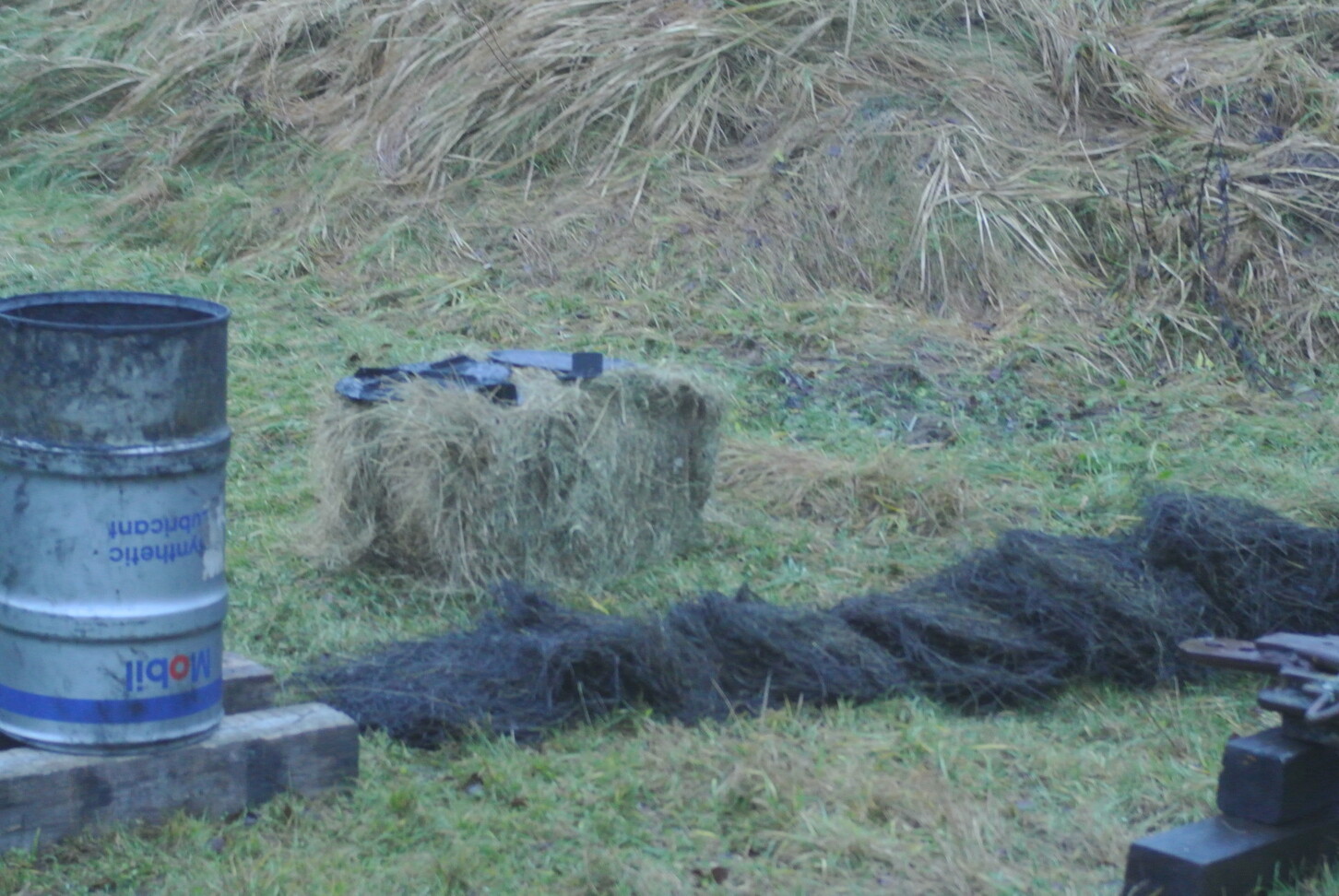
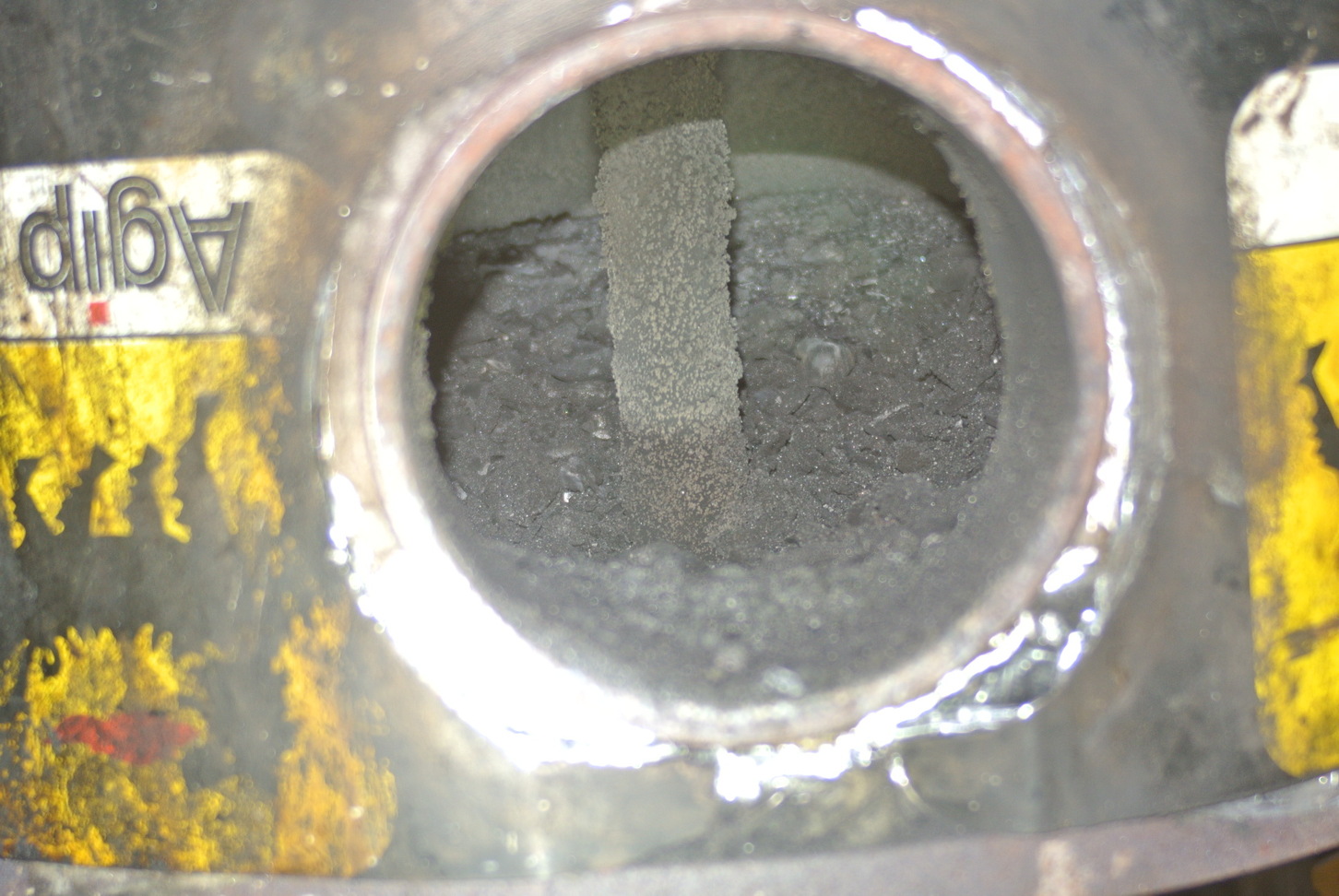
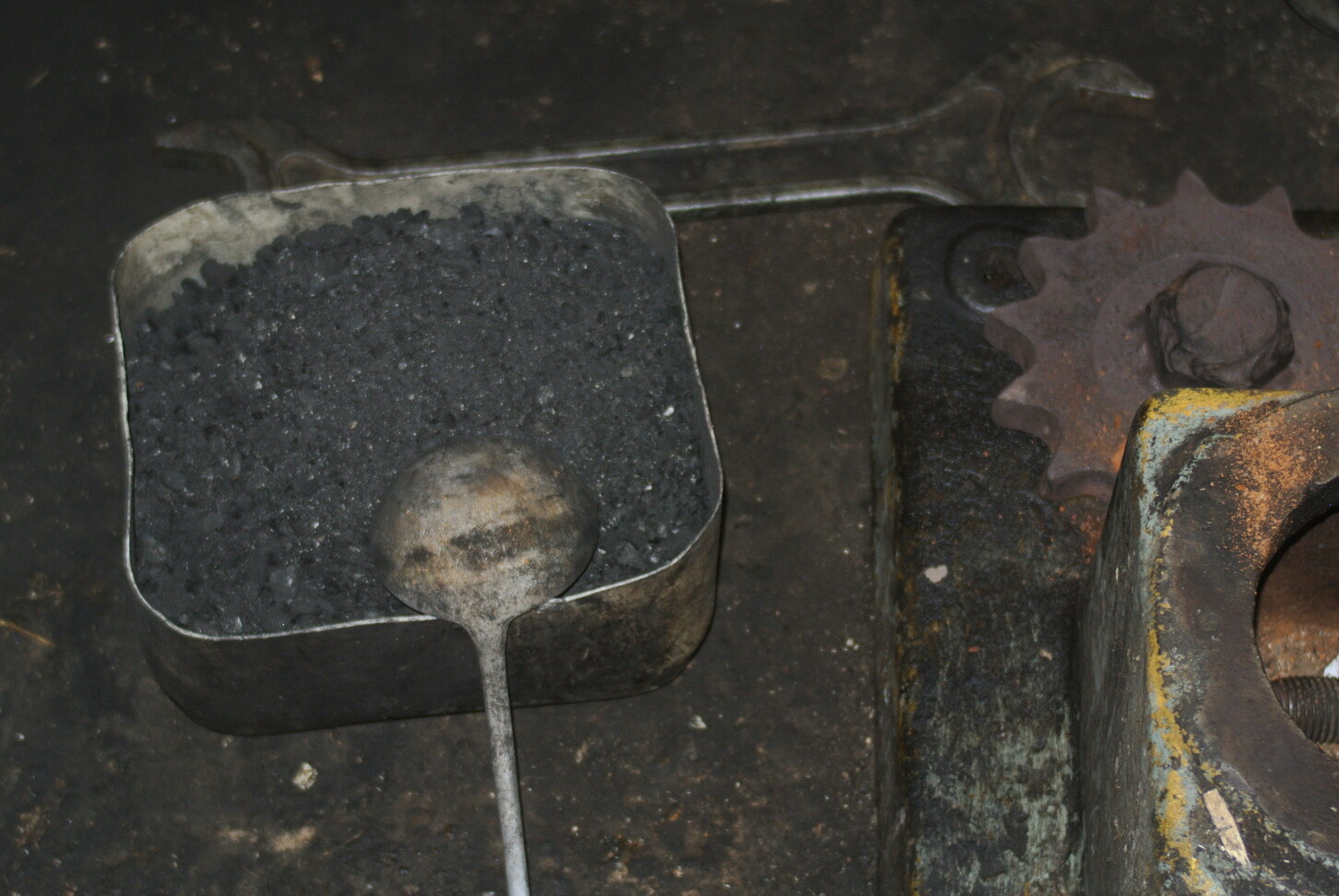
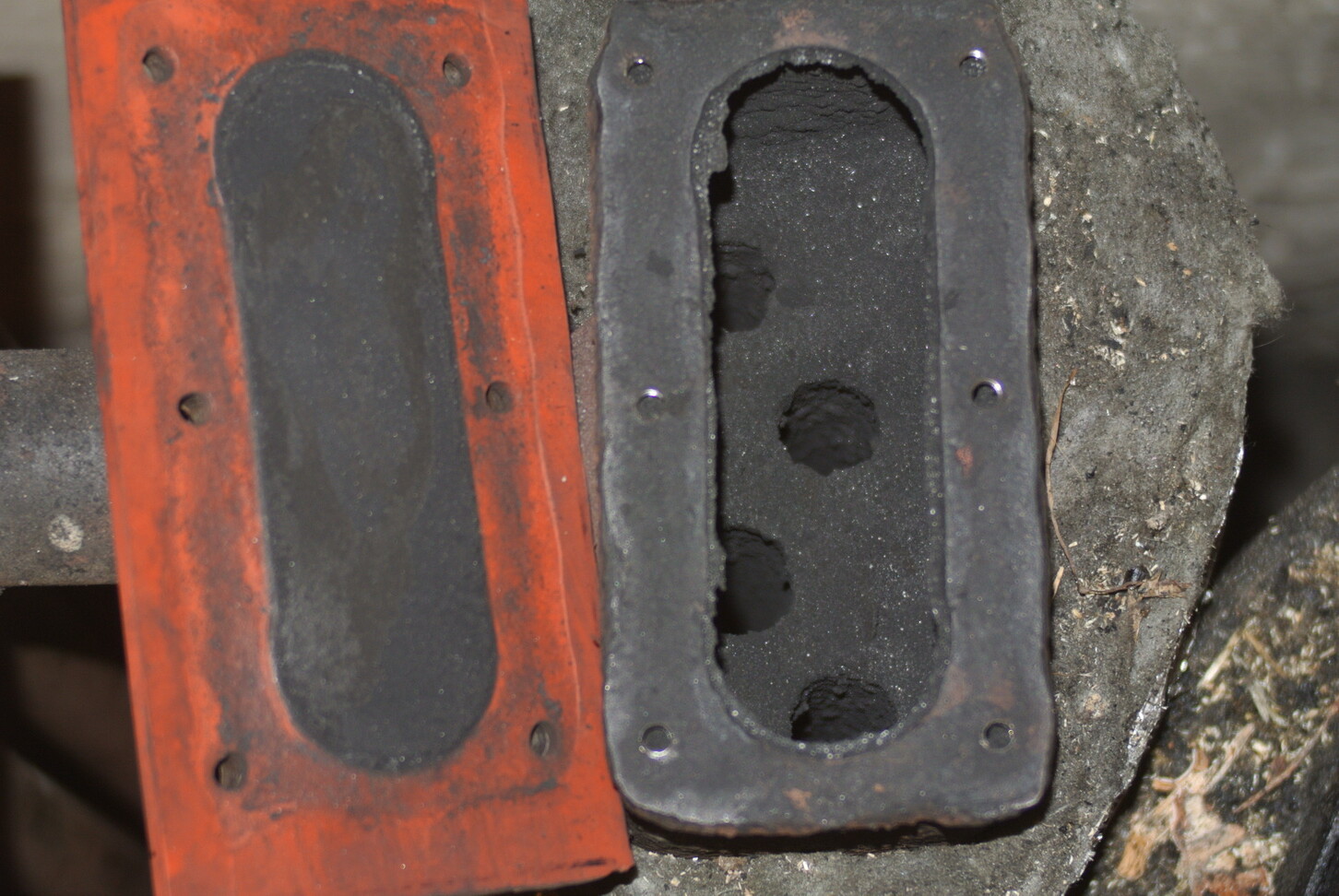
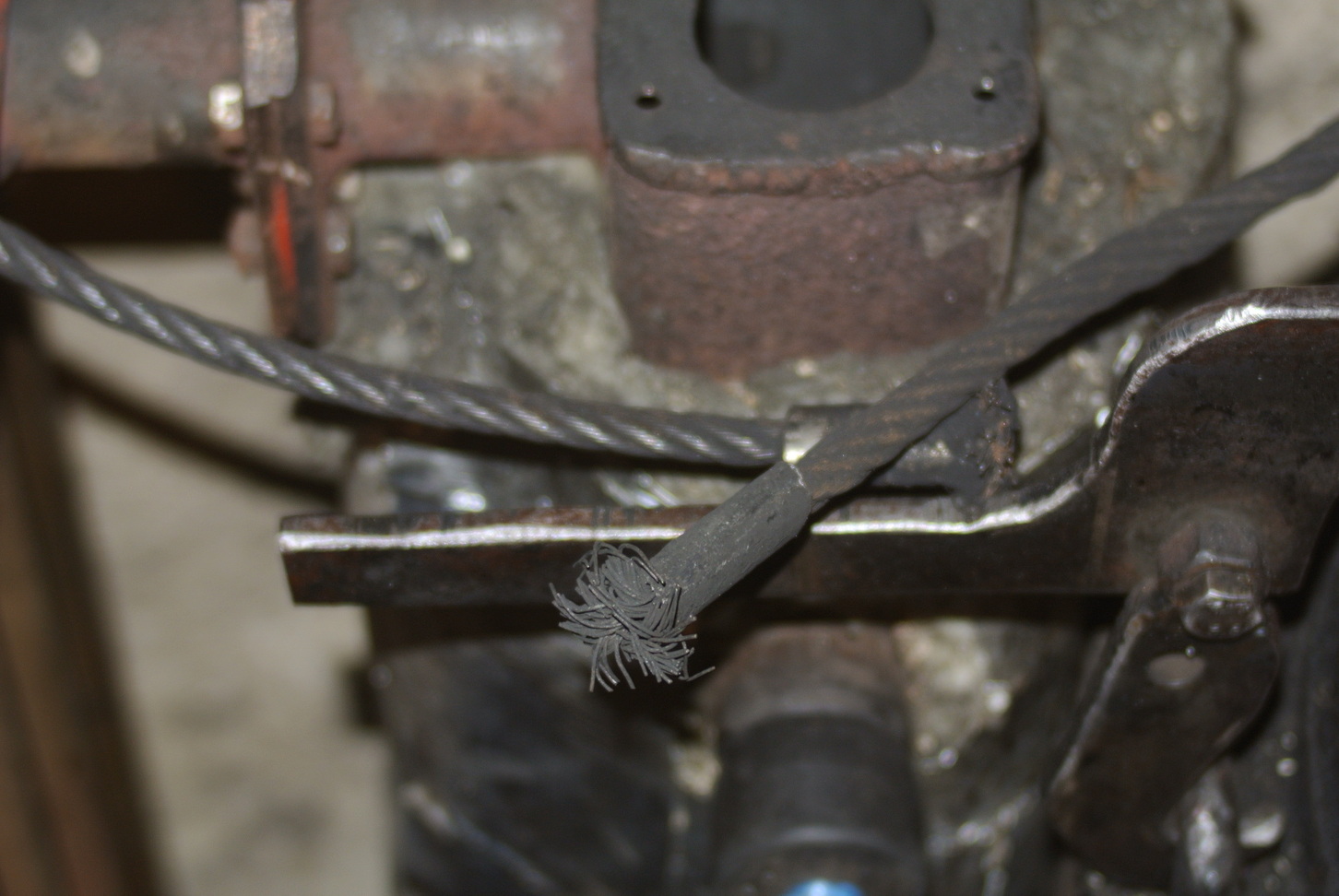
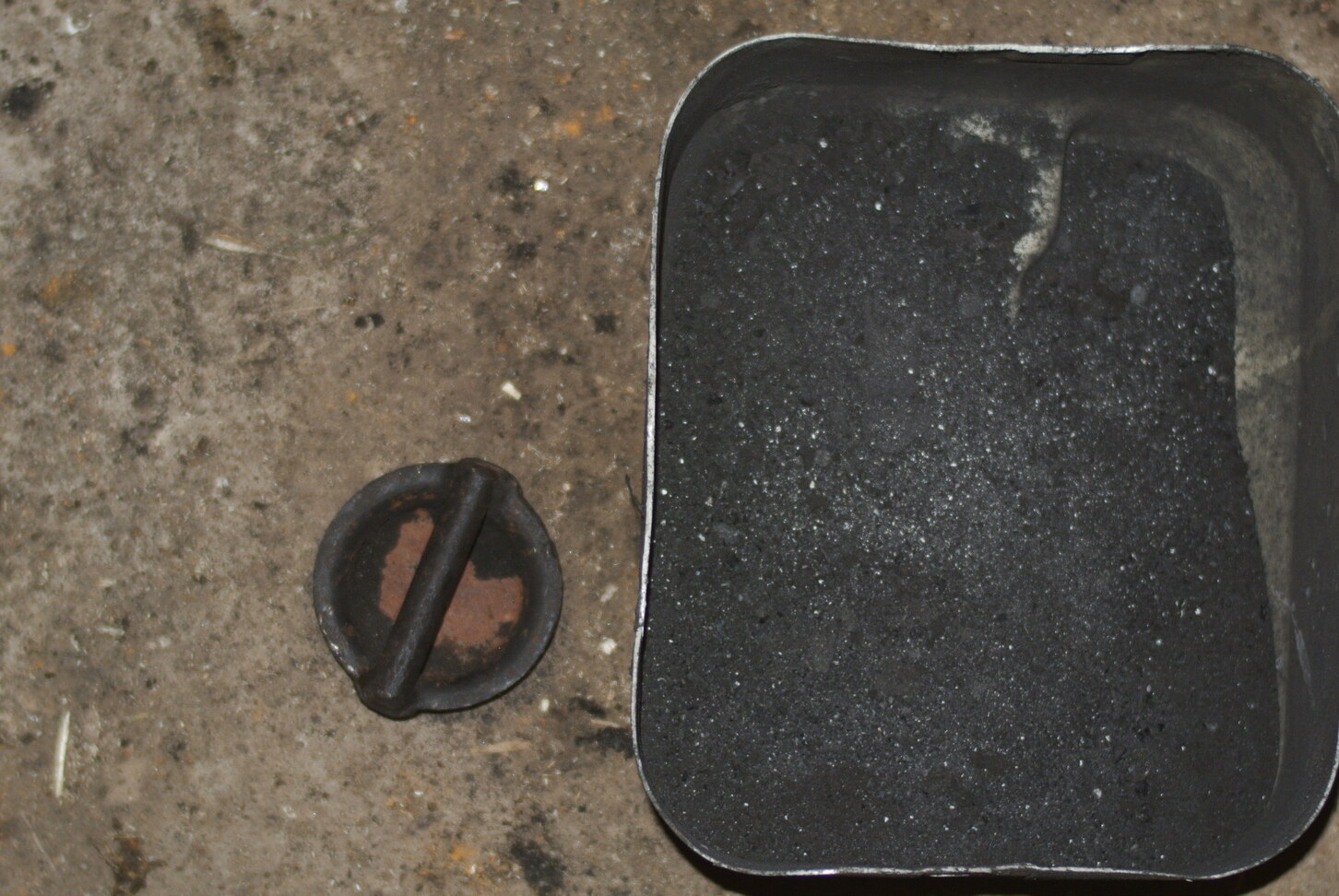
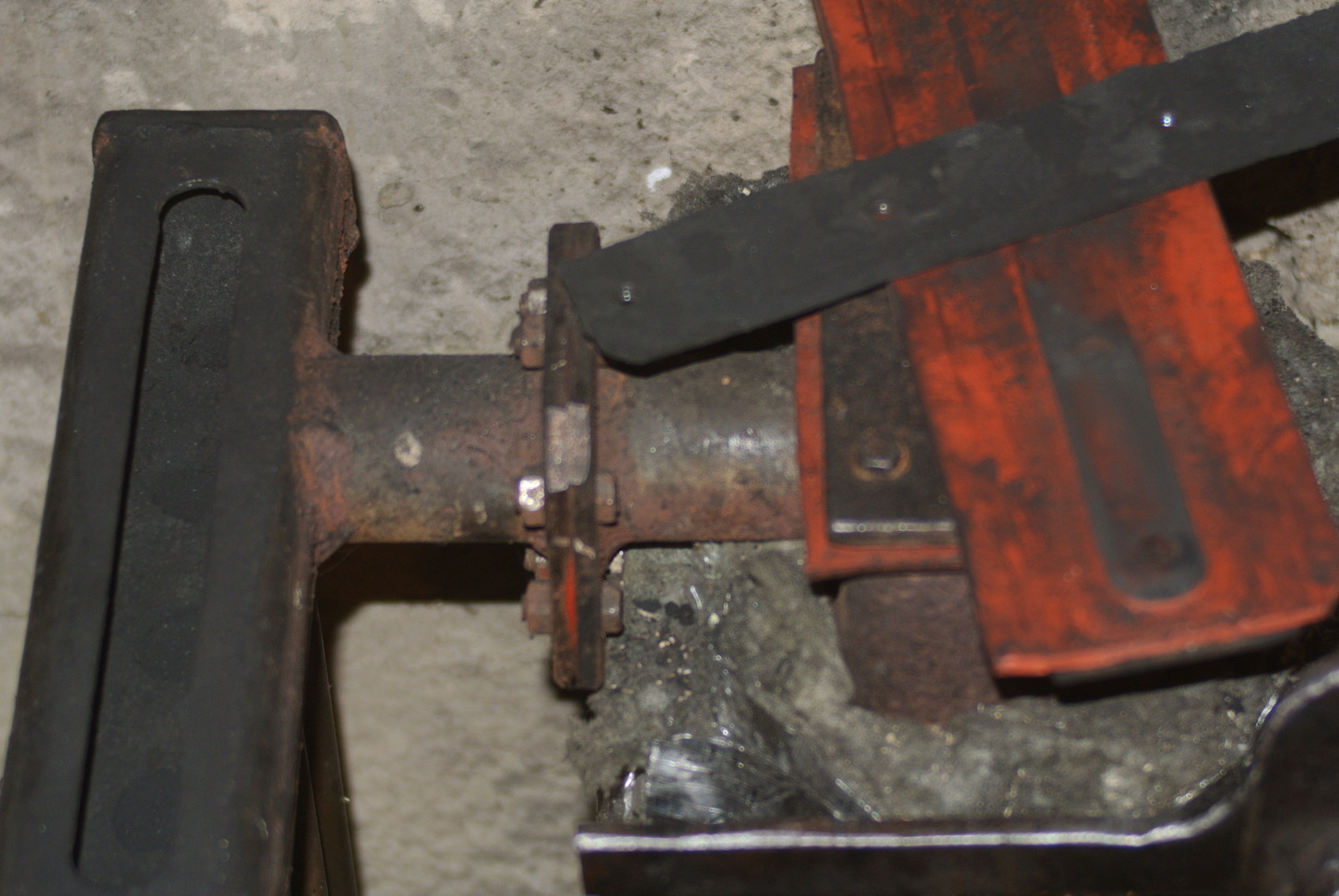
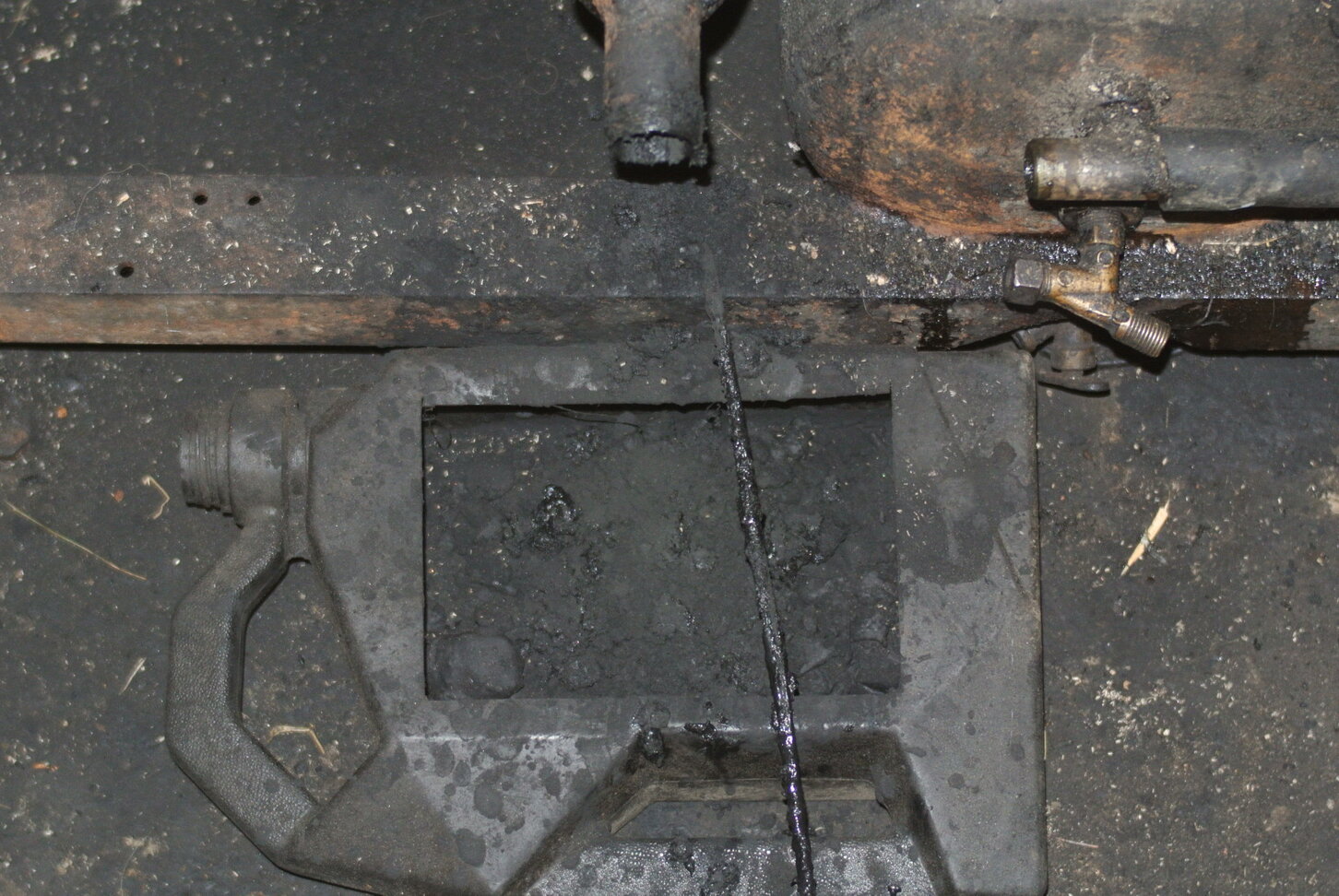
lets start with cleaning routine
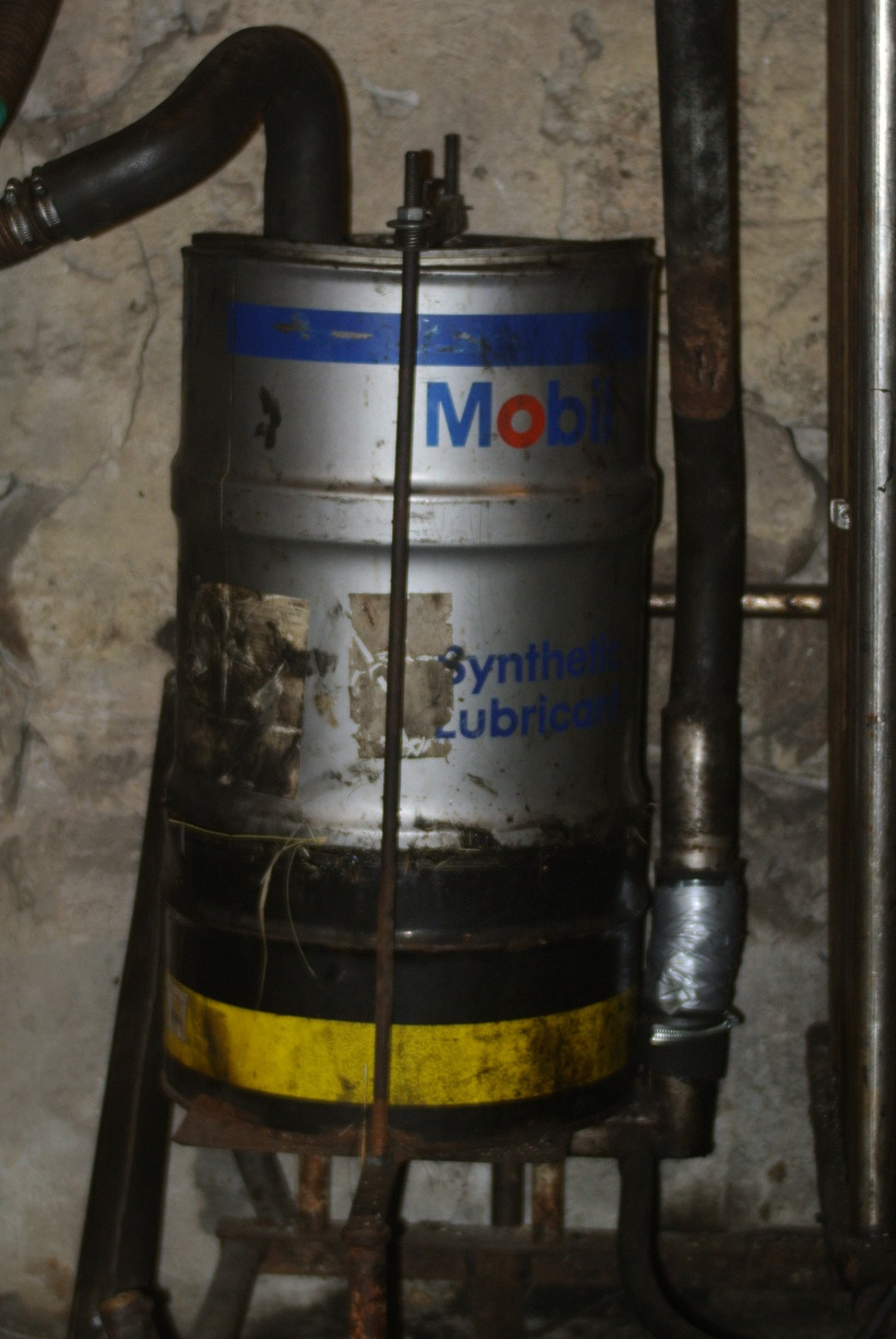
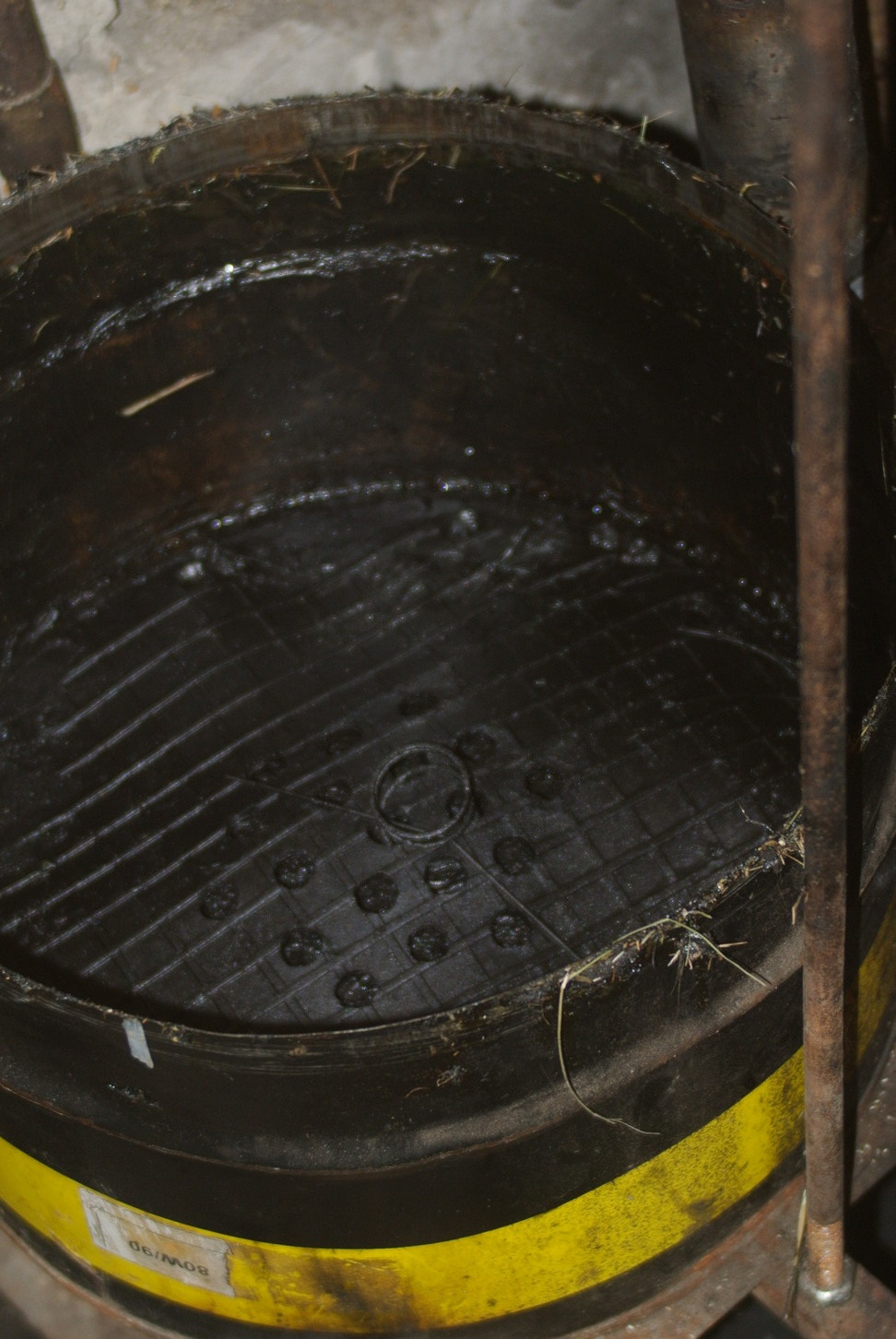
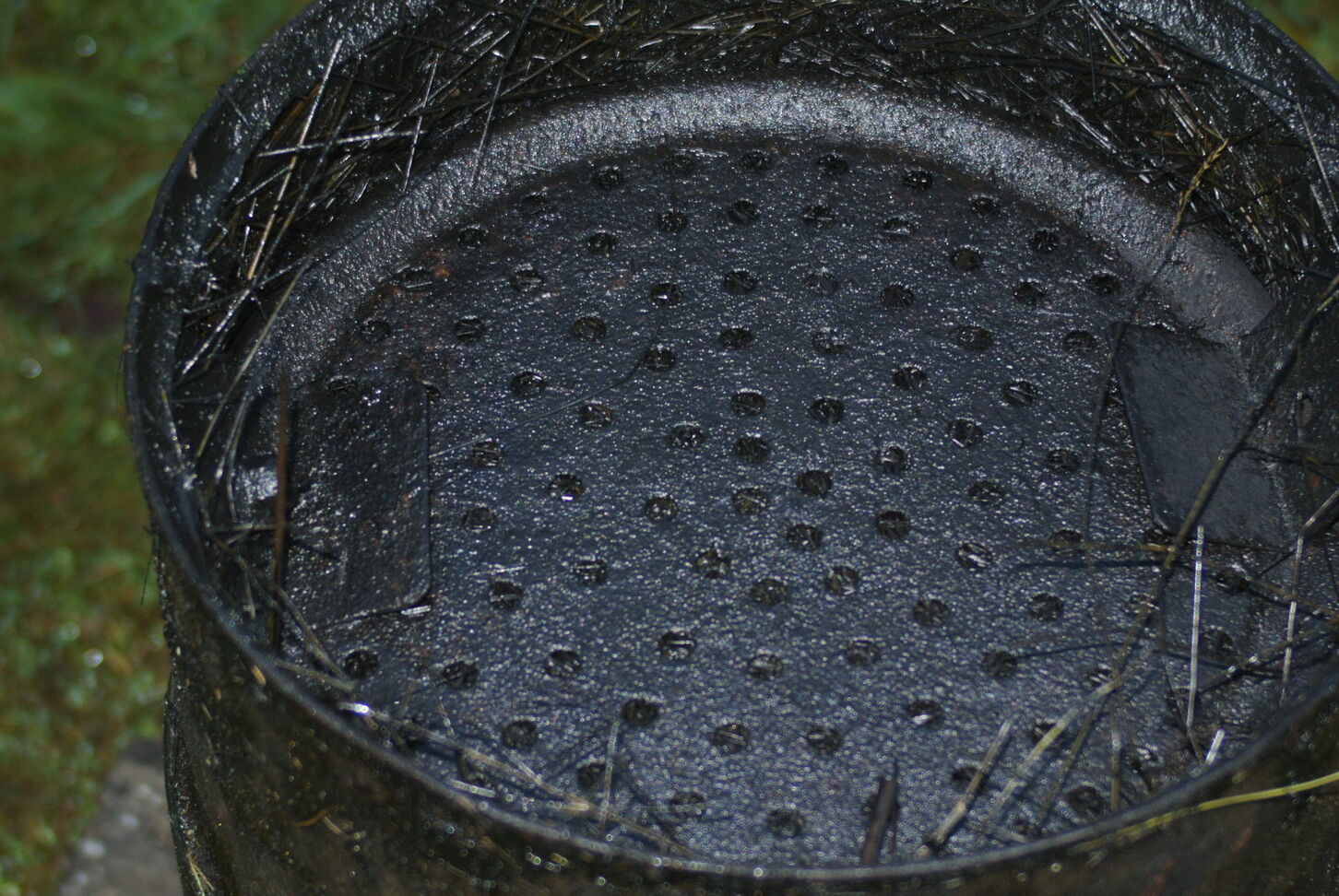
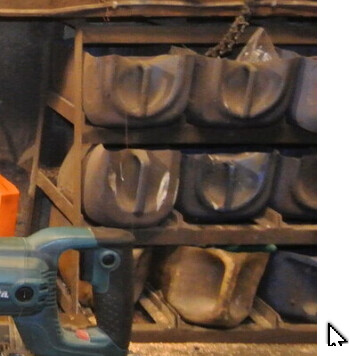
hay filter - grey Mobil drum fits nicely in slightly wider Agip drum
one bucket weighs in around 3.5..4 kg and lasts approximately for an hour.
hopper contains three buckets when fuel is completely burned out,
but usually i load two buckets when refill hopper at running engine.
I have been heating my house with wood since I finished building it 25 years ago, long before I was involved with wood gas. The firebox and the piping is all encapsulated in stone and concrete so no way to alter any of it, but how many times have I looked at that fire in there and wished I had a way to get more use out of all that energy in the fire.
Very good report and picture sets AndrisL.
Wood making electrical watts energy.
Any wanting to see his thoughts, design evolution and engine generator this is covered much across five topics.
You can find and read these by first clicking open his avatar icon of “Animals. Drive Very Slowly”.
This will bring up a summery box on Andris.
In this box again click on his larger picture icon.
That will bring up a complete page of his DOW activities.
There click open his “Topics started”.
Select and read.
thank you Steve ))
i think i will add those links to my other threads in the first post if i can still edit it.
as for running the generator - even without any automatic, such as timer for grate shaking or auto gas mixing - the generator does not require constant babysitting. if everything goes right, it can run for an hour without any intervention.
of course it would be nice to have automation for increased power output and fuel efficiency.
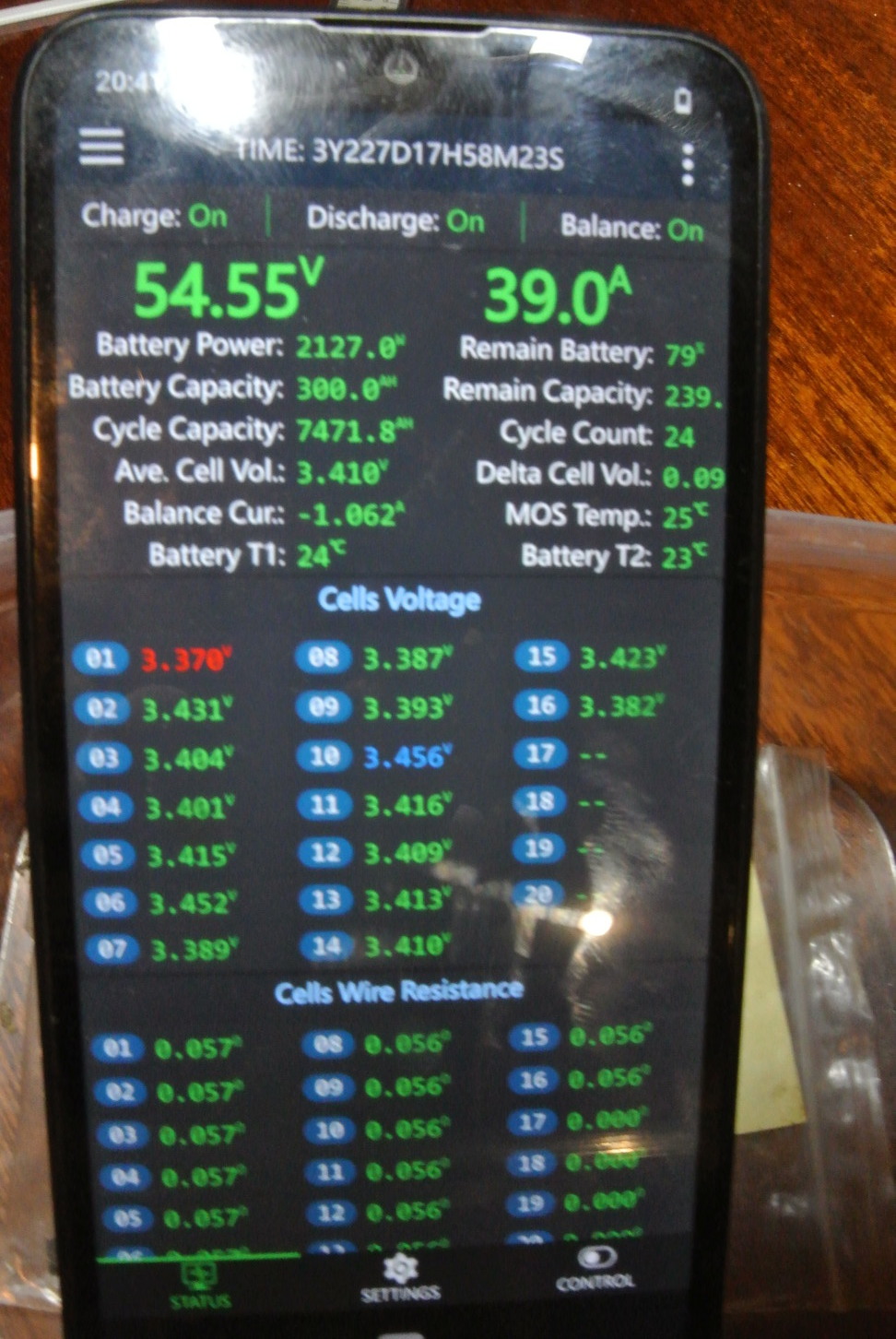
usualy i sit home and monitor charging current using bluetooth BMS application.
if amps decrease, i go to workshop and see what is going on.
works good, except for a intermittent current sensor issue, it usually happens at simultaneous large and nearly equal charge and discharge currents.
nothing serious, but annoying because it spams log, replacing important messages.
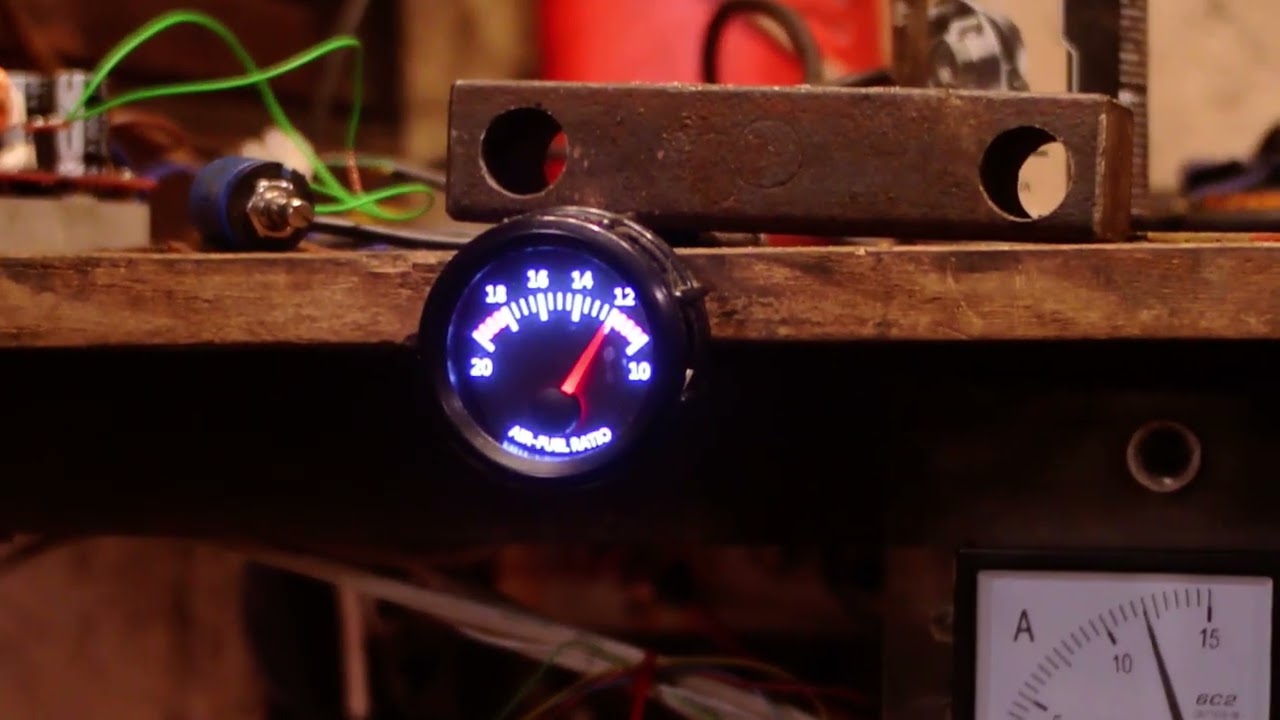
a little video with newly installed digital wattmeter.
it measures DC, because generator is connected to MPPT input of a chargeverter.
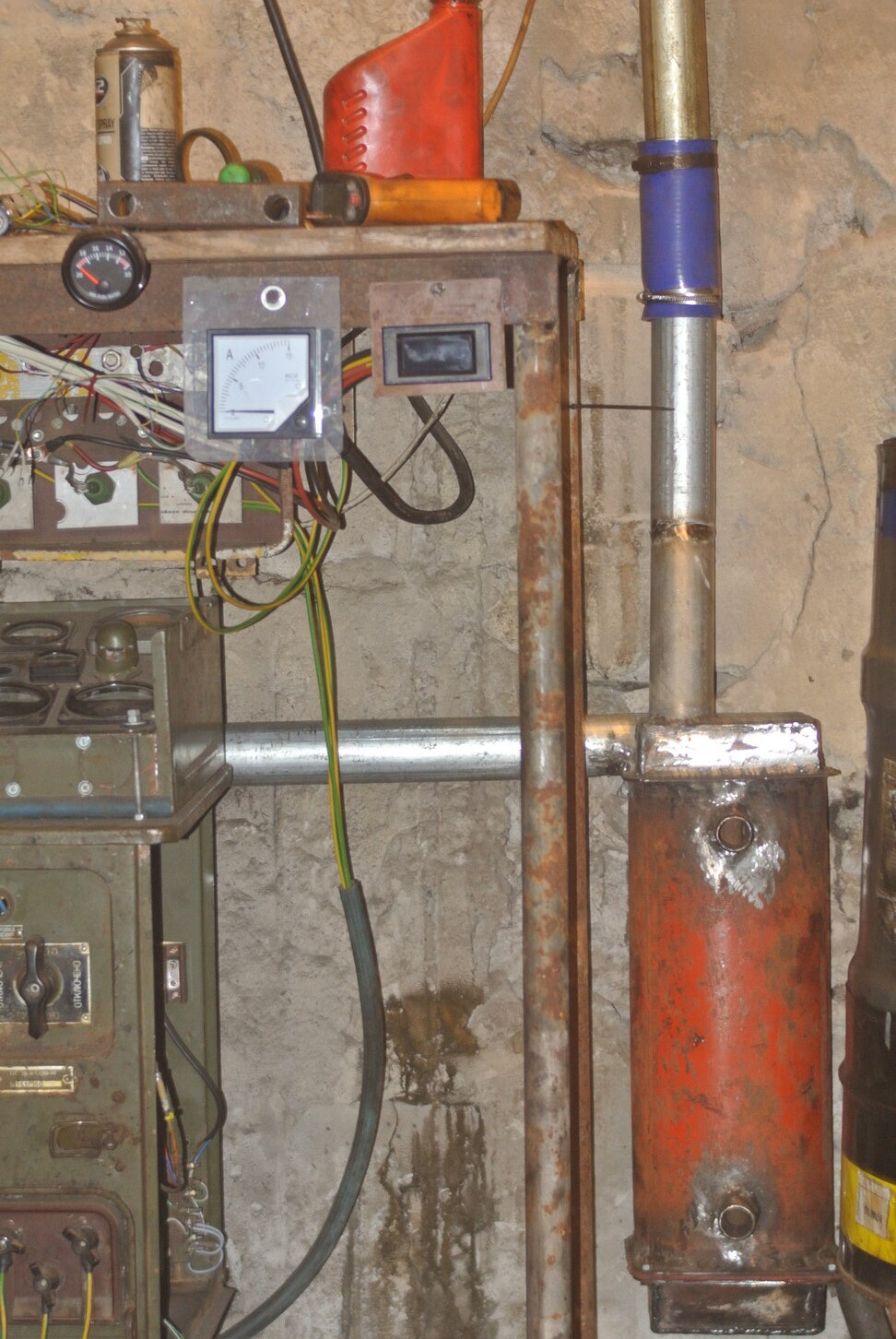
analog ammeter measures rotor magnetizing current.
current can be adjusted with constant current setting on DC booster (blue pot).
usually it is between 9 to 12 amperes at 12 to 15 volts.
interesting fact is that magnet current drops as the alternator warms up and coil resistance increases.
i have 3 phase alternator, 220 volts between phases,
that results in approximately 320 volt open circuit DC.
it is much better now with hybrid charger/inverter with 500 volt MPPT,
working voltage is 200…240 at 2000…2400 RPM and output power over 3kw.
but when i did use 160…180 volt MPPT chargers previous winter, i had problems
with MPPT putting too much load on engine, not allowing it to operate at optimal RPM.
their operating voltage was around 120 volts at 1700…2000 RPM, output around 2kw.
first i put a big rheostat in series and lost some power in heat,
but better solution was to limit rotor magnetizing current.
in conclusion i must say that it really was not worth the effort, exhaust gas of such small engine contains rather small amount of energy, less than 2kw, i would guess.
I love that you show up the using raw wood for your winter electrical power can be done by mortal human beings.
Just takes humbleness, perseverance, willpower, and a belief that everything around you is there for a purpose.
A man true purpose is to recognize, and use these.
Modern folk are too much buried in a culture of having to do for the greater “all others”.
Too much into button clicking for needs supplies.
Serve to. Or be served up to.
Entertain others. Or be entertained by others.
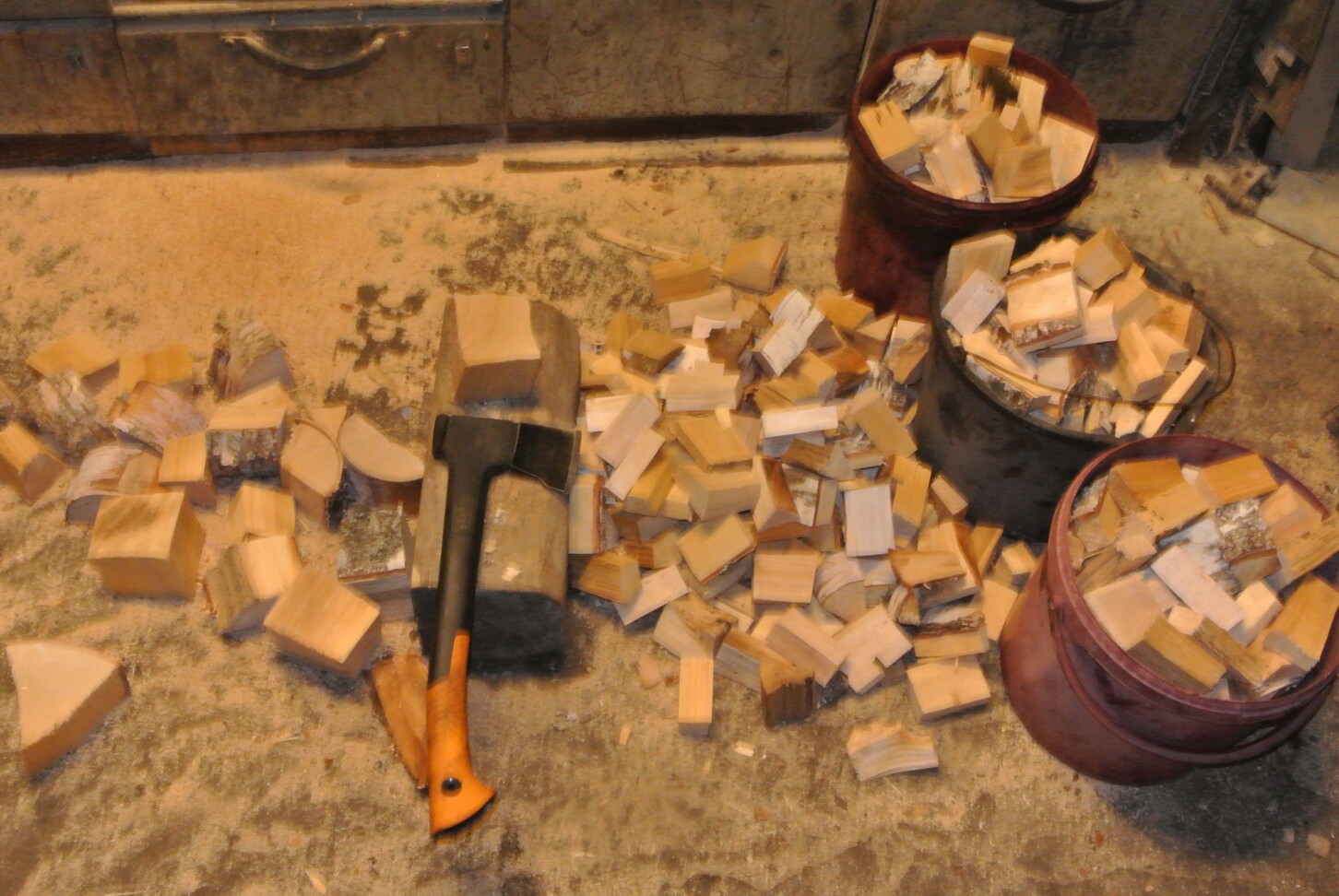
Your second post on this topic; by-hand fuel wood chunking up for the best in-gasifer results tells it all.
In the last two days here on the DOW it has been posted up the using raw wood would need big machinery, big power for gasifier wood fuel chunking. Bull-shit.
You only need what you need for daily base needs. As you show.
And as J.O. has said down in his furnace room hand chunking wood for his four cylinder vehicles: whiling away in the cold shut in, winter time - this is a time for contemplative refections.
Keep do showing your, do-it, pragmatic works.
Heck of a lot more fulfilling then trying to fulfill others endless needs electrons slinging; and data bits pushing/pulling, eh.
Ha, just planned the same for tomorrow. And things got in the way before we started, work, work.
I was dissapointed in my Lister HRW2 , 1 kWh electric and 0,5 kWh thermal in the buffer. Only cooling water was used. I planned for an exhaust heath exchanger to get at least another 0,5 kWh. In theory there should be 2 kWh thermal for every 1 kWh electric, but I will be happy with equal numbers.
Another factor is the load of the engine. Did you test this with a small load? That could explaine the result.
Thanks, MPPT is the key. Stupid me. Tried this too with a lot of resistors but kept smoking 50% en 50% came out the inverter.
Hello Andris, soon at the beginning of my “career” with wood gas I built a gasifier and powered a 450 cc diesel engine with it, which worked hybridly on wood gas (90% wood gas, 10% diesel fuel). It was powered by a 4 kW generator, I cooled the gasifier with water, as well as the wood gas, the engine and exhaust gases. Everything worked quite well, even the heat for heating was close to 10 kW, well, it was just an experiment and a learning experience.
As a word of caution and I am sure you are well aware already but safety always needs repeating. The exhaust contains CO and other crap that can kill you, and not having the extra heat means it won’t travel as far through convection and some of the heavier nasties may just sink. Just be careful (I am sure you are). It isn’t worth dying for.
A complete guess would around half of the potential thermal energy of the fuel. With an air cooled engine, the engine itself is designed to radiate heat which prevents it from being in the exhaust stream. With a liquid cooled engine, you would have both the radiator and the exhaust stream to tap and it would be more potential energy recovery.
@Steve thank you for encouragement.
it is like a hobby and a challenge for me to stay off grid in winter months.
i enjoy the process.
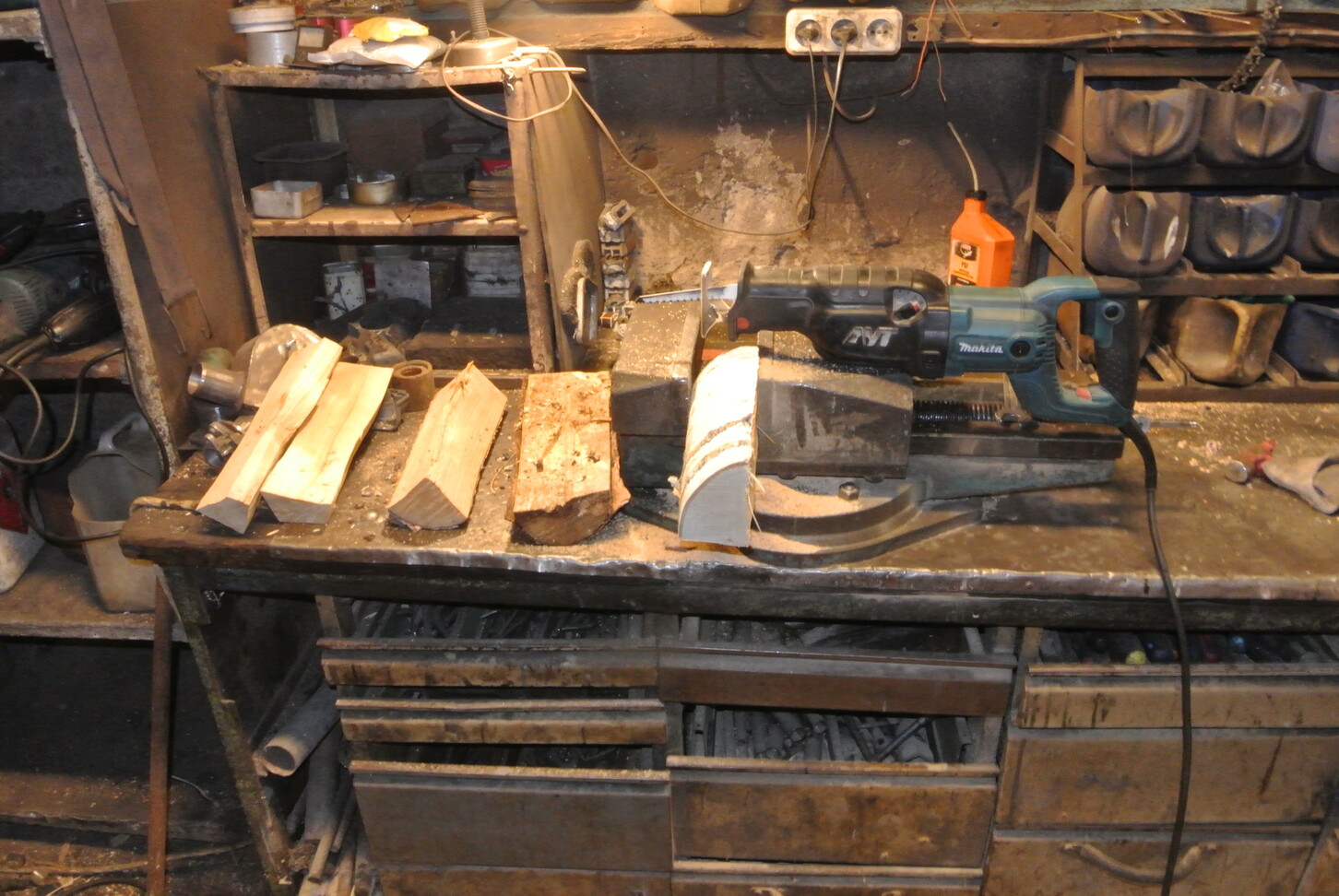
as for the knife, i do really like vintage carbon steel from Sweden or England, not modern stainless steel rubbish. ))
@Joep in my case there is significantly more heat from engine itself than from exhaust, maybe scavenging heat from exhaust will make more sense with your Lister.
according to internet, it is 2 liter water cooled diesel,
did you decrease the CR?
what kind of ignition?
very interesting, i will look for info about your setup in forum.
@Tone i have learned a lot from you, there is a wood gas tractor in my future plans and i have not decided what to do with exhaust heat - whether to preheat incoming air or to heat wood in hopper.
waiting for reports of running your recently built gasifier.
also if i succeed with tractor, i am going to have some questions about using asynchronous motor as alternator.
@Sean thank you for warning, it is no fun in having cancer.
do nasty things dissolve in the exhaust condensate? i get about 2 liters of it daily.