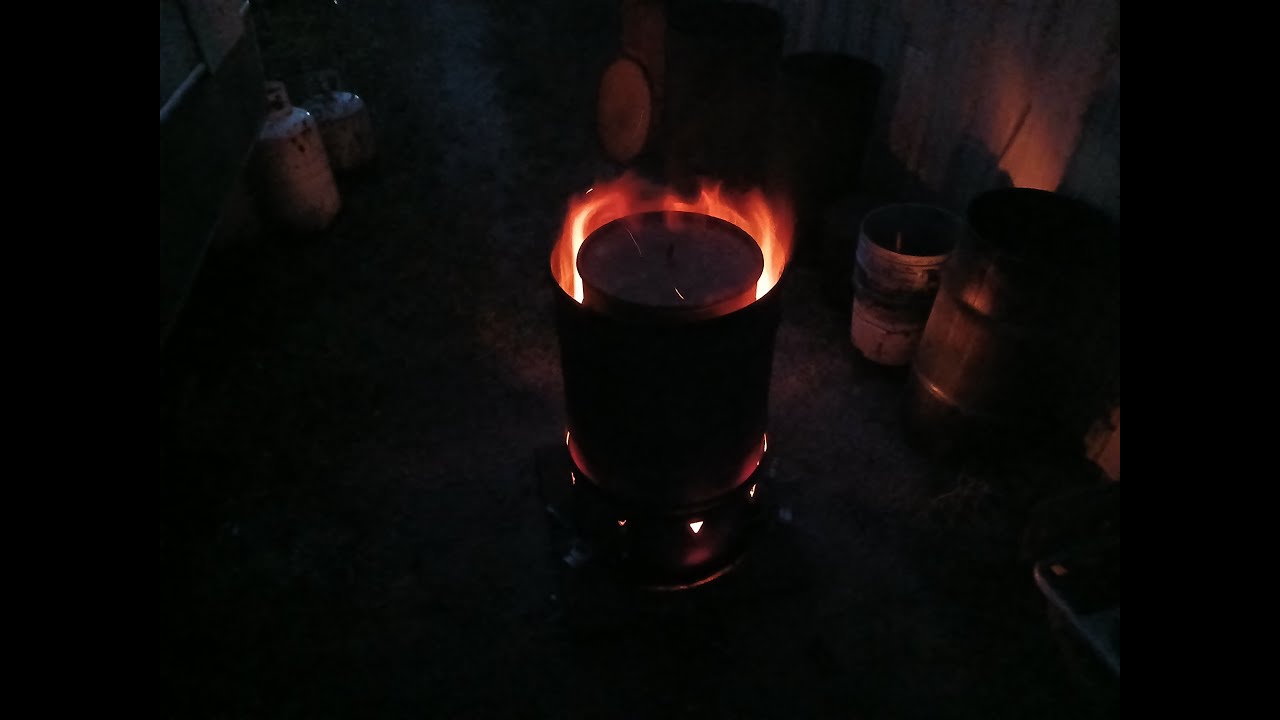
Hi everyone, I am new to this forum but I am currently researching gasifiers and looking at ways to improve them for a specific use:
To give some background on my work: I am exploring the possibility of creating a gasifier for use in lower income countries as a way to burn wet biomass (such as fresh wood) post flooding for cooking and heating, when a lot of their dry wood supply could have been ruined and so rural communities loose access to their primary fuel source.
The key issues I wanted to thus fix was to let people burn wetter wood (around 40-50% humidity) and to reduce the amount of particulate matter and smoke produced, hence the use of a gasifier instead of a normal stove. The aim of the project is not to run an engine, but to use the gas for cooking, sterilising water, and heating, so I don’t have to worry about tar build up as much.
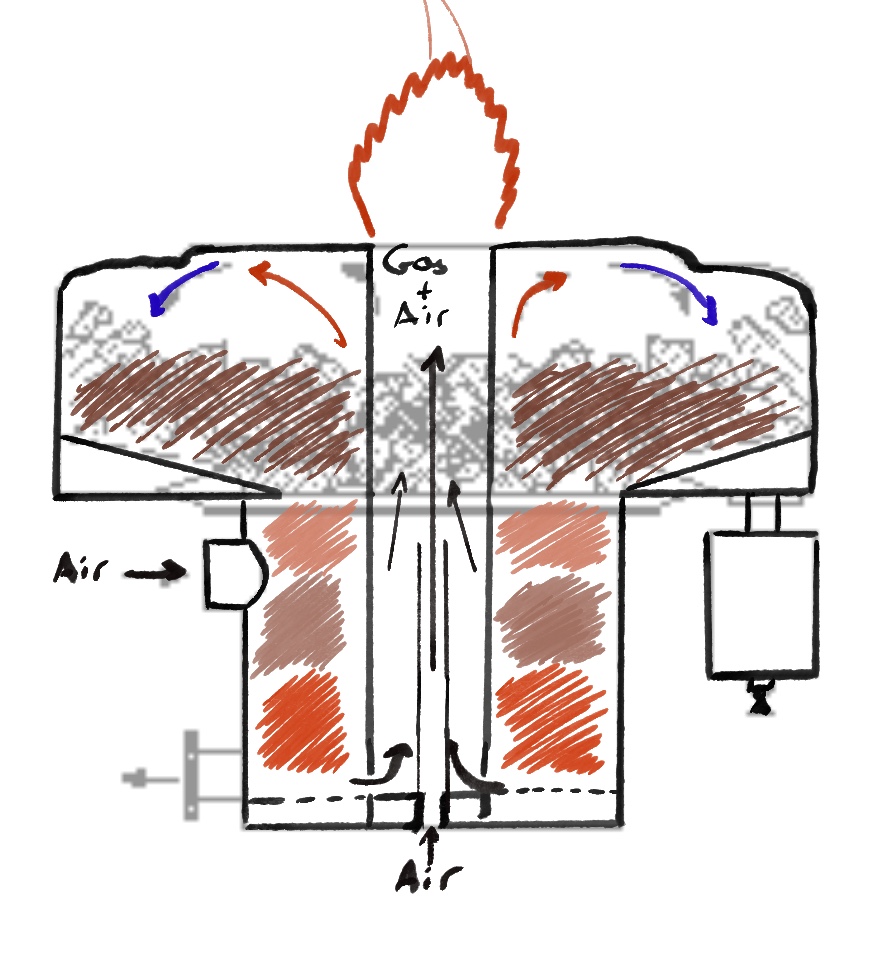
Reading some of the other posts on this forum, I came across a monorator gasifier (https://www.ekoautoilijat.fi/tekstit/monorator/monorator-eng.html) which uses a larger and wider container to better dry the wood and separate the vapour from the gasses to be burnt. An improvement I was thinking to it would be to channel the gas down the centre of the updraft gasifier before being burn to create stronger convection currents in the monorator container and so dry the wood quicker. I also wanted to know what people thought about having a second stream of air coming down the middle to be mixed with the gasses for more efficient burning (similar to how a top lit updraft gasifier works).
Another question I had which I haven’t understood is if the syngas fumes need to be cooled down before burning or whether that’s only needed to not damage an engine.
Let me know what people think about this design and any feedback is appreciated.
Hello Francesco, welcome to us.
Wet wood is definitely not the best choice for gasification, but it is still possible to use wet wood:
if you use all the heat (energy) of the hot wood gas to preheat the fresh air and the rest to heat and dry the wood
the heat of the exhaust gas alone is not enough to cover the heat losses due to drying and condensation of excess moisture, it is good to use additional heat, for example, the energy of the engine exhaust gases, because otherwise the gasifier uses the internal fuel - wood to cover the heat needs, which greatly dilutes the gas (introducing a large proportion of nitrogen into the air used to burn the wood)
a wide and low wood storage tank also has some disadvantages, the first is that only some wood in the middle will slide into the hot zone, I personally believe that the gasifier “must” be of the same diameter from top to bottom, this means that the fuel has nowhere to get stuck
think about it, If you use wood with 40% RH, this means 60% dry wood and 40% water. If you boil this water with the energy of this wood, this means 10% wood, leaving you with only 50% for gasification. Keep in mind that for drying, pyrolysis and oxidation we need air, which has 78% nitrogen. Thus, the N2 input for wet wood is significantly higher than for dry wood and the wood gas will contain approximately 30% more energy per cubic meter than if you used wood with 10% moisture.
I like the idea of a solar kiln setup with a counterflow heat exchanger like a heat recovery (not energy recovery) ventilator. It’s very possible to DIY one. That way you get bone dry wood to start with. Wood still has chemically “embodied” water in a way that charcoal does not, but yea… get whatever water out that you can without using the wood’s own energy- you want that in your engine gas.
I am curious about your assertion that engine exhaust can’t do the job of drying… a 30% efficient engine is turning the other 70% into heat. That is a lot?! Maybe not enough for very fresh “green wood” but for air dried / seasoned wood… it seems like it should do the last bit of drying well enough? Without running the math?
Welcome to the DOW site, Does this unit work like a rocket stove, with the center pipe drying the wood in the hopper area? Is the bottom clean out pipe also serve as a lighting port at the bottom of the center pipe? If so why not just use the bottom pipe as the air intake too. It would cause a better draft at that point going up the center pipe. And also you could valve it to control the incoming air at that point. The bottom ash grate should be made deeper with a clean out like you are showing.
I think we have a whole thread on solar kilns. Unless you are using a serious amount of wood, a heat exchanger is probably overkill. It will dry to bone dry in a 55 gallon barrel with a couple of vent holes on the top and bottom for airflow. Or probably just a tarp or plastic over a 250 gallon tote carrier.
Thanks for your response, while I like your idea a lot of drying the wood before hand, the main issue I am facing is that this gasifier is meant to be used post-flooding in very remote areas, so the only real source of fuel is fresh cut wood.
Yes FrankR., many of us did read your intent and understand.
I have used wet winter pick up woods in wood stoves; in fishing campfires.
The actual net heating is very low even using the best stacking; combustion; and drafting techniques.
The energy drag of all of the excessive wood moisture is tremendous.
Given your post disasters conditions the solution must be low tech and ongoing, on site supportable.
Supply in a “system” that would require even an electric forced draft blower and failure will be just a day to week away.
What has always proven to work is to accept that with big scaling up then wetted; sap green and even dirty wood could be used to make your later use, controlled cooking and water sterilizing heats.
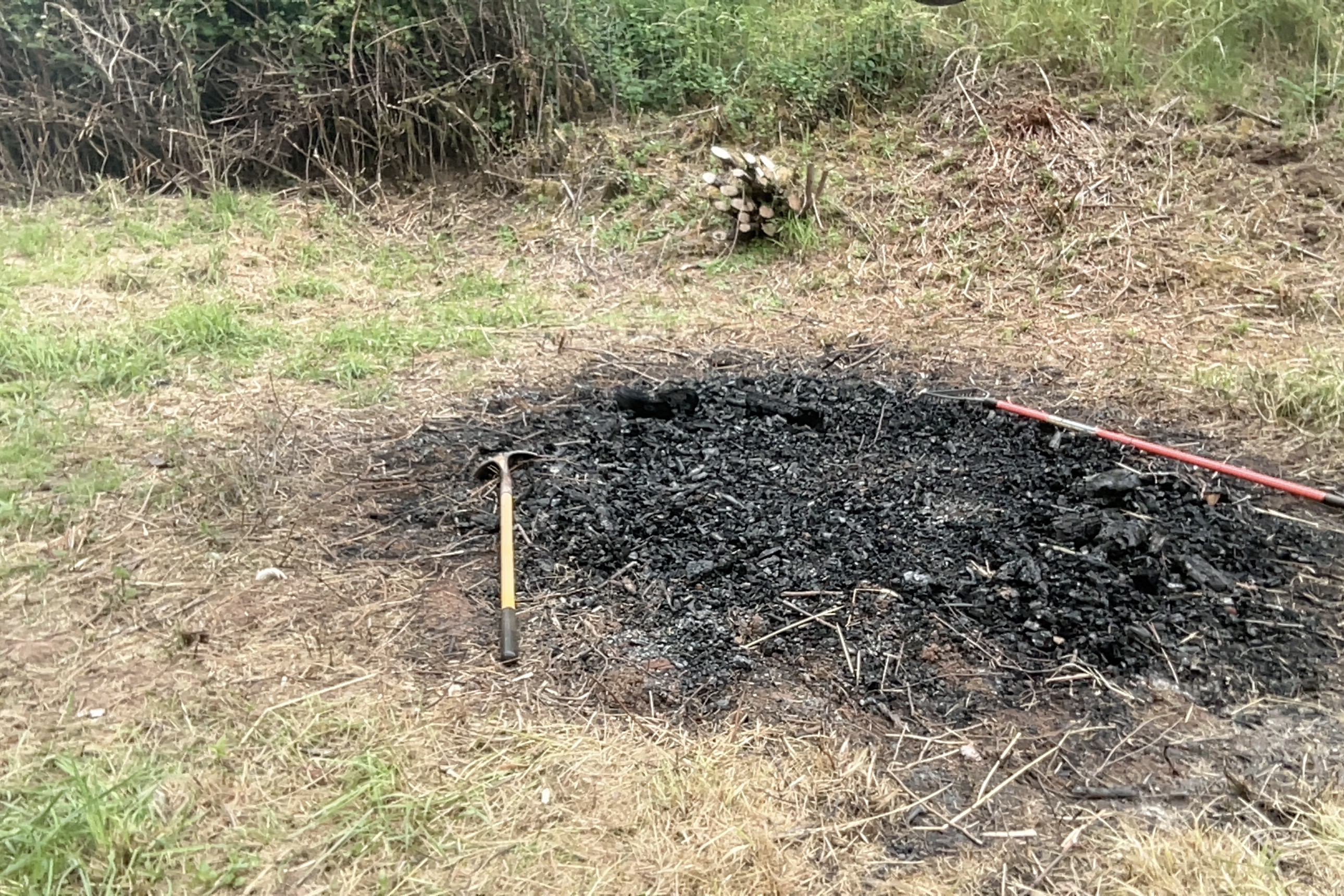
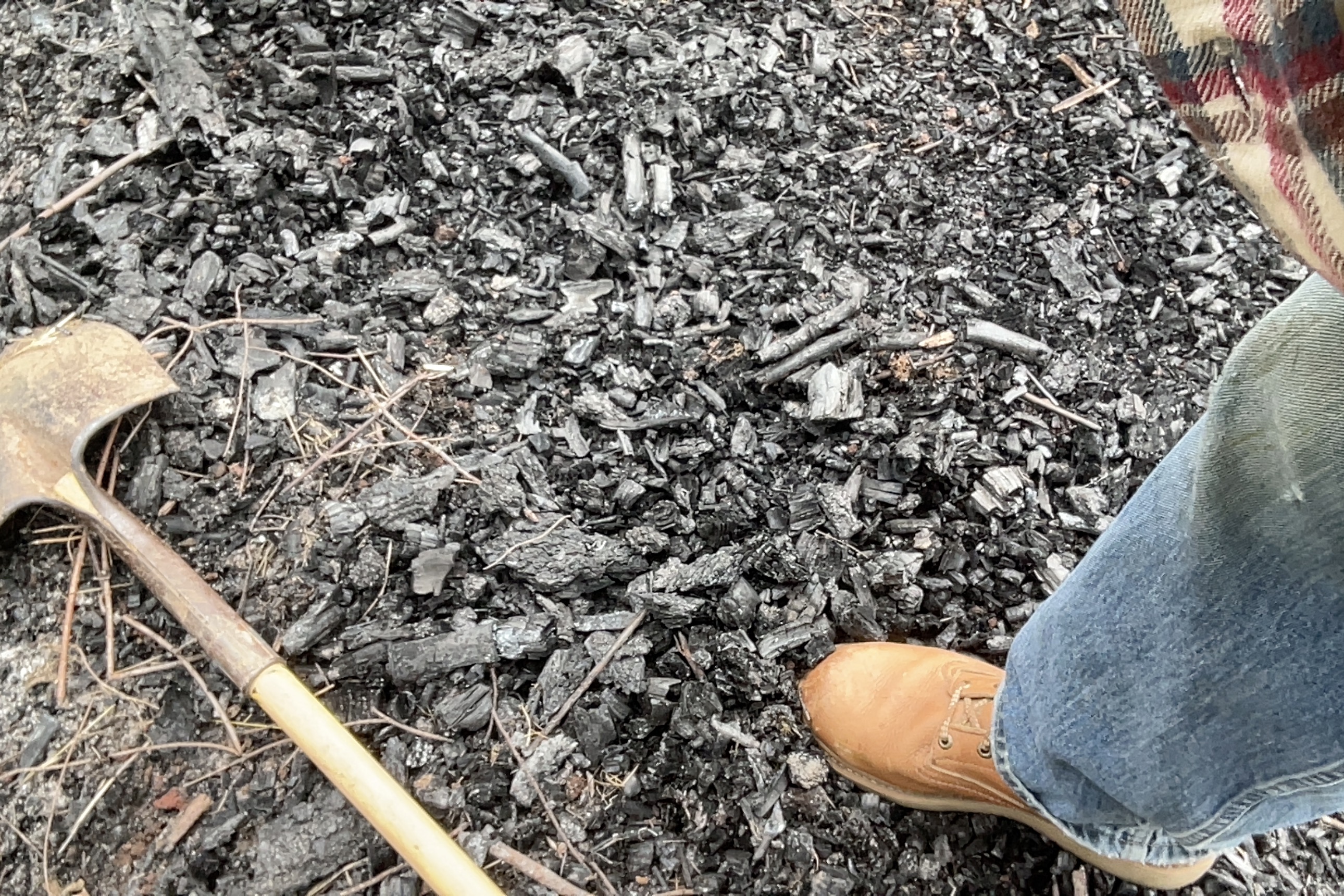
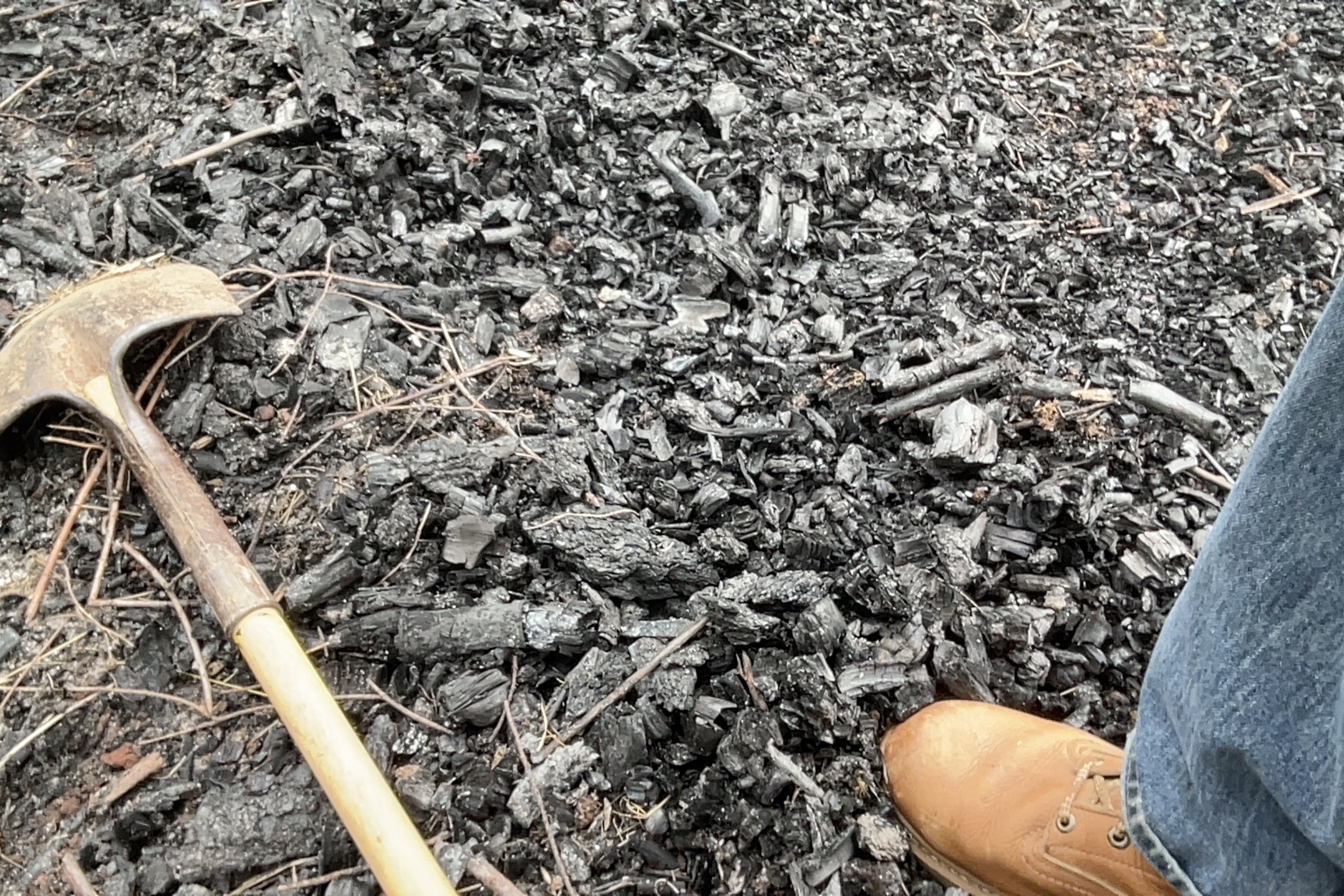
You large bonfire stack in mounds. Get them buring. These create their own drafts. And once reduced down; you rapid quench them with water (which does not have to be clean). Saving the majority of the then made wood charcoal.
You rake up and bucket store; or bag that charcoal. Drying it some before use alongside the next big bonfire.
I did this last late May at our Community Grange property with winters storms limbs and some early spring brush clearing.
I had to keep the hot plume small. Was too near overhead power line to get away from the building and the adjacent public road. And make as hot and smokeless as possible. And be done, done within four hours. With no remaining lingering smoldering. Conditions of the issued permit.
People post disasters need some cheering up. Communal bonfire does this.
Lots of digging out and cleaning up debris. Bonfire reducing, gets it done with minimal equipments and outside fuels.
Yes. I know well.
Many will reject this low-tech solution as not an itch-scratch brainiac creative.
So is your goal to help people in real needs? Then pragmatism has to be the rule.
Supply them with hand tools. Hand cranked forge blowers from India. With hand pumped low pressure pumps for the stand off water quenching and safety spraying.
Steve Unruh
I think steve is on the right track. If you make charcoal, there is plenty of heat given off. once you get the fire going, you can add green wood. You will have so much wood and brush, a pit and a backhoe are probably the best bet. The trick is making it more of an upside down pyramid shape, and slowly add the fuel. then seal it when you are done, if you put water on it to extinguish it it takes forever to dry out. Which to be honest, they already know how to do. People in many 3rd world countries refer to charcoal as coal.
As a note. If the wood pile has been dried already, it won’t absorb nearly as much water as you are thinking, it is only on the surface. Their existing woodpiles are still drier then green wet wood.
Making charcoal from a pile of wood is the easiest way to make charcoal. It’s not as good as retorting wood into charcoal but it will produce a burnable gas when used. Almost all of my charcoal now comes from my back yard fire pit. It is a 15" high with a metal heavy side and steel bottom 3’ across in dimeter.
I keep building fires in it until it is completly full of charcoal. I wash the ashes out by using water. And let it dry out in barrels. When it is has about 10% moisture in the charcoal, it is ready to use in my double flute gasifier to make good gases, then I cool and filter the gases before using in my genset. I need to try my old outside double stove burner with this gas. The stove is about a 80 years old from when they had the Gas Works Plant in the Seattle area, it closed down in 1959. It is now called Gas Works Park on Lake Union with some of the old structure still standing.
Anthony, the waste heat of the engine would certainly be sufficient for drying fresh wood, well, we must be aware that indirect heating and drying of wood through a metal wall requires a lot of time and a relatively high temperature of the heat source, so the only usable heat is the energy of the exhaust gases, which is quite high (300-550°C), which represents approximately 25-35% of the total energy of the fuel used. Look back, to dry wood with 40% moisture we need 10% of the energy of the wood, we are left with 50% of the wood for gas production, where we lose an additional 10%,… so we only have 40% of the content to drive the engine, looking at the initial state of the wood - fuel, well, if now this energy is burned in the engine and we obtain 25% from the exhaust gases, This means that the energy of the exhaust gases represents 10%, based on the initial mass of moist wood, which means that the energy of the exhaust gases is sufficient to dry moist wood (40% moisture).
The next important factor in this process is the condensation zone, the physical property of hot water vapor ensures that it rises to the top under the cover and here it needs to be cooled until condensation. Imagine that the temperature is high below and the walls are heated, which prevents condensation from forming below, there is only superheated steam and hot pyrolysis gases, this heat is also the “engine” that ensures intensive circulation of these gases. A negative factor for effective condensation is the negative pressure in the gasifier, so the condensation surface needs to be intensively cooled to reach the moisture dew point. The cooling power for condensation is almost the same as the power for drying - evaporation (slightly lower). Negative pressure, relatively high cooling power, relatively small cooling surface means that we need to cool this surface to a fairly low temperature, which is very difficult to provide with air cooling in stationary units.
Tone- I have an idea for solving the water in exhaust problem but it’s long, too long for a reply here. I’ll make a separate post/topic; if you are curious, look for it there.
Ok - I posted. Apologies in advance for the wall of text. It’s been living in my head for too long!
thats basically what the VersiFire’s second stage is. It is a two stage system with a lower retort section and then there is an upper kiln section. The upper kiln is simply a wood dryer and the moisture is driven out via a vent tube. This reclaims heat for the retort making this system very efficient. Heat is self produced via the lower retort as it produces its own gas as the fuel is reduced to charcoal. This set up could be great for either a charcoal system or a wood fueled hybrid gasifier. For charcoal you would use the system to convert all to charcoal. After a run where teh kiln stage has been run the next run it becomes the retort stage.
for a wood fuel hybrid system, you do a single run and mix the chacoal and the kiln dried wood together.
Ill be expanding this concept this year adding more air vents, insulation, a water coil loop for hot water production, and Ill be cooking on this thing pretty much everyday until next fall once the snow here melts. I love that thing its awesome. I will also be running the CXF-Si on the combine hybrid fuel. I have ran early predicessor versions of this charcoal system on 100% wood fuel and it worked just as good if not better than other dedicated wood fueled systems. The key is the flow These machines are not plagued with flow problems but lacked insulation and were not optimized to retain heat as its not a requirement for charcoal. This years version will have extensive insulation so theorectically they should work on wood fuel. But that will be for testing and fun. For me charocal is more practical as I know Im never rollling the dice on tar production.
Frank, Your desire to bring practical relief to those who are lower income and in a post flooding situation is commendable. Over a 10 year period I spent several months with poor farmers in a remote East African village where sticks were their primary cooking and heating fuel. Your post made me consider how I would approach their need for cooking, safe water and heating after a flood. Here are my initial thoughts:
Previously dried biomass that has become water-soaked would be my preferred fuel over fresh cut green wood. I like Steve’s idea of a “big bonfire” but instead of quenching, I would try if possible to pull out dried brands and extinguish them by separating from from heat, flame and wind. I have found the “hand cranked forge blowers from India” to be very effective in inducing very hot fires in sub-optimal conditions. I have also modified these blowers to serve as gasifier vacuum/ blowers.
I also like Matt’s 2-stage kiln ideas. Steve and Matt are my favorite contributors on this forum. To me they are like a horse’s side eyes seeing things from two different points of view. The rest of us get the benefit of their sometimes conflicting observations.
If my Africa friends got flooded I think I would help them build something like my kiln/retort described in the “Charcoal Making Anecdotes” topic at comments #101-103. The escaping heat during startup could help with warmth, water purification and communal “cheering up.” As the regenerative process commenced I would put a lid on the central flue and extinguish the pyrolysis to leave as much energy in the dried biomass as possible. (After the immediate needs for dry fuel were satisfied the benefits of fully pyrolyzed charcoal for water treatment, sanitation, fertilizer and engine fuel could be pursued.) BTW, I have since added a firebox to this kiln/retort instead of the 3 blocks.
Again thanks for letting us encourage you in the good work of lending a hand to those in crisis.
Thank you for the replies everyone. They have been extremely helpful. I will update soon with an improved design which I am currently running simulations on. Speaking of simulations, is there anyone on here who’s done any Thermal Analysis Simulations on gasifiers to test theoretical designs who may be able to give me some tips or things to consider?
for cooking i would consider in your case a rocket stove, i think because of the draft a good glowing char bed would burn stored wood that gots moistened…this would be much more conveniant as a gasifier, what needs a blower for running…especially when there is no electricity available, as steve said…
hand blowers from india also are not more cheap…
a rocket stove can be built from some scrap pipes easily, makes with the right temperature no smoke and feeding wood that becomes wet could be stored around the main pipe for more drying inside a metal mantle around the hot pipe…
a gasifier for this use me seems to complicate, also a larger distribution for more people
a lot of projects, when they get government money, must be unpractical , last long time and need a lot of money, but often not helps the poor people, but helps the people what makes the project…there was a woodgas project in the ´90 for remote villages in south america, a project from the german university of bremen…at least it costs a lot of money and the initiators themselves claimed it for failed…there was liquid fuel shortage , so in beginning all were enthusiastic, but when the people was let alone with the gasifers, they made not more the needed maintenance, though they were instructed for it, run motors with damaged fabric filters, and when diesel or gasoline was available again, they switched immediately back to them…there is also needed the right mentality for such projects, otherwise they go to fail…and only the initiators have had a nice job for a time and some nice vacancy in warm or tropical areas…
When I was still using raw wood I made this dryer. It worked pretty well at producing enough very dry fuel for a generator. I think it would have never produced enough for DOW. Anyway it used very little fuel to keep the temps in the barrel up. Seems easier than trying to produce a lot of use able gas from fresh cut wood.