10 min charcoal…
10 min charcoal…
This is an older video or one that has resurfaced. It turns to biochar fast but it leaves the salt on the char which doesn’t make it good for plants. I think they may of also had a heat retention issue, and it wasn’t energy efficient enough to be viable. Im not even sure he still has his research project. I vaguely recall something happening but I don’t recall what, something like it caught fire, since you are superheating the wood to char, and the char will catch fire with some oxygen if it is still hot.
Thanks… Yeah I was looking at this and was wondering if the energy one puts in, and the cost in salt was worth the squeeze of the product one gets out. I believe the slow method of making char is more cost effective for the final result… just from what I have seen.
I love the statement at the beginning that says the machine does in 10 minutes what the Earth does in 100 million years. (or what DOW’ers do in a few hours  )
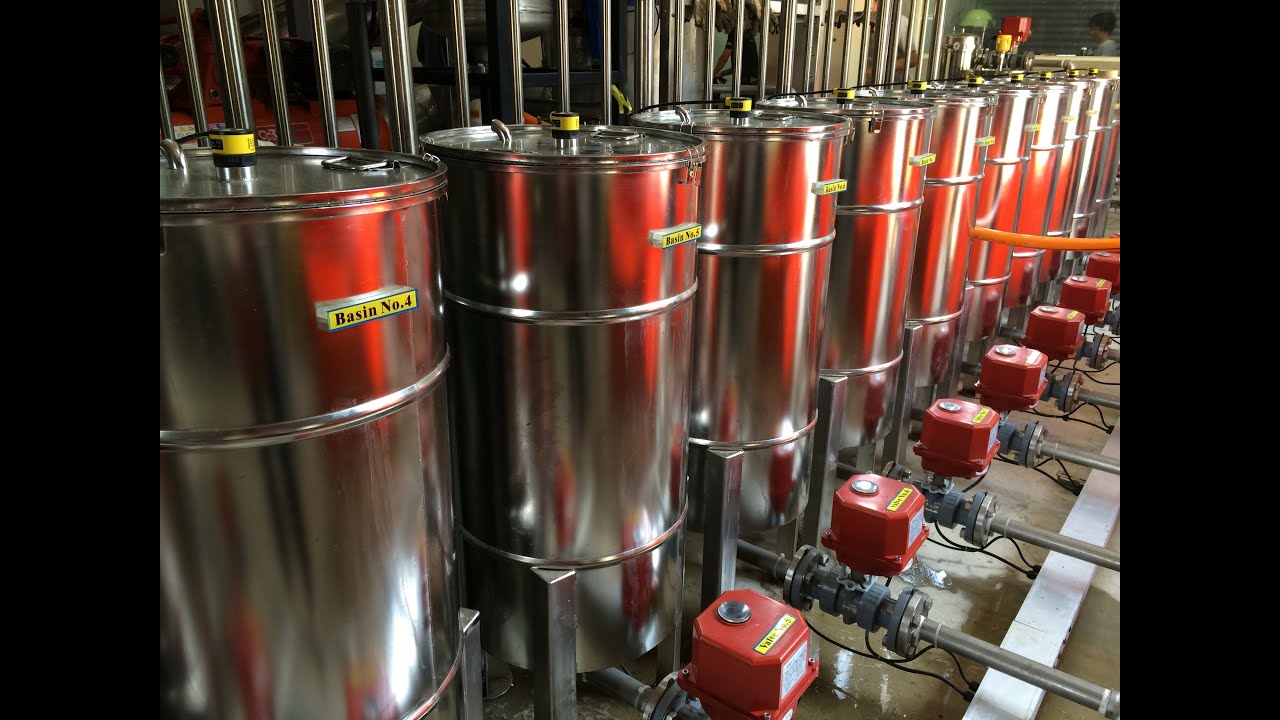
What is actually going on here? Small pieces of wood, surrounded by a special salt with a melting point of around 300–450°C, float in this hot, molten bath; this ensures the efficient heat transfer from the heated vessel walls required for a rapid process. In the DOW process, the wood is heated by hot gases, making the whole operation slower; furthermore, heating in a molten salt bath entails additional steps—allowing the hot salt to drain off, washing the charcoal with water, recovering the salt from the water, and so on. In short, it is a complex industrial process completely unsuitable for home use.
I’m sticking with my wood gasifier—though I wouldn’t rule out making charcoal at some point…
Thank you for the input.