The Bern Gasifier

Hello, I write to update my threads an let everyone know I finally made it out on vaccation for the first time in six years, I’m in Switzerland! You should know that as I write this I’m relax in the finest hotel and spa in Switzerland. Becasue, this is what I do when I’m not hiking in the Alps on Holiday.

As part of my touristic holiday, I got the opportunity to see a Gasifier in operation thanks to Herr Daniel Hagen who kindly welcomed me into the Meili Museam ( https://www.meilimuseum.ch/ ) in Hüttwilen and gave me a ride in his Ford Model A ( https://www.meilimuseum.ch/Ford-Model-A ) which runs on Holzgas. Thank You Daniel, it was a pleasure to be with you and I would be delighted to help you with your projects because I learned so much while I was there.
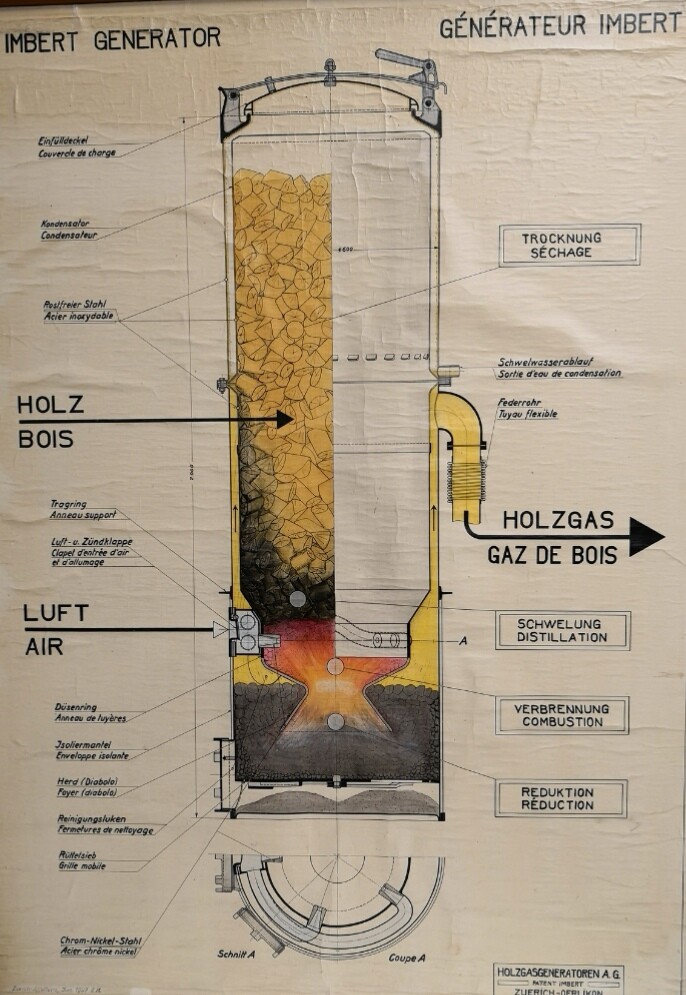
In the Museam, I noticed a particular gasifier that had an “art-deco” appearance.
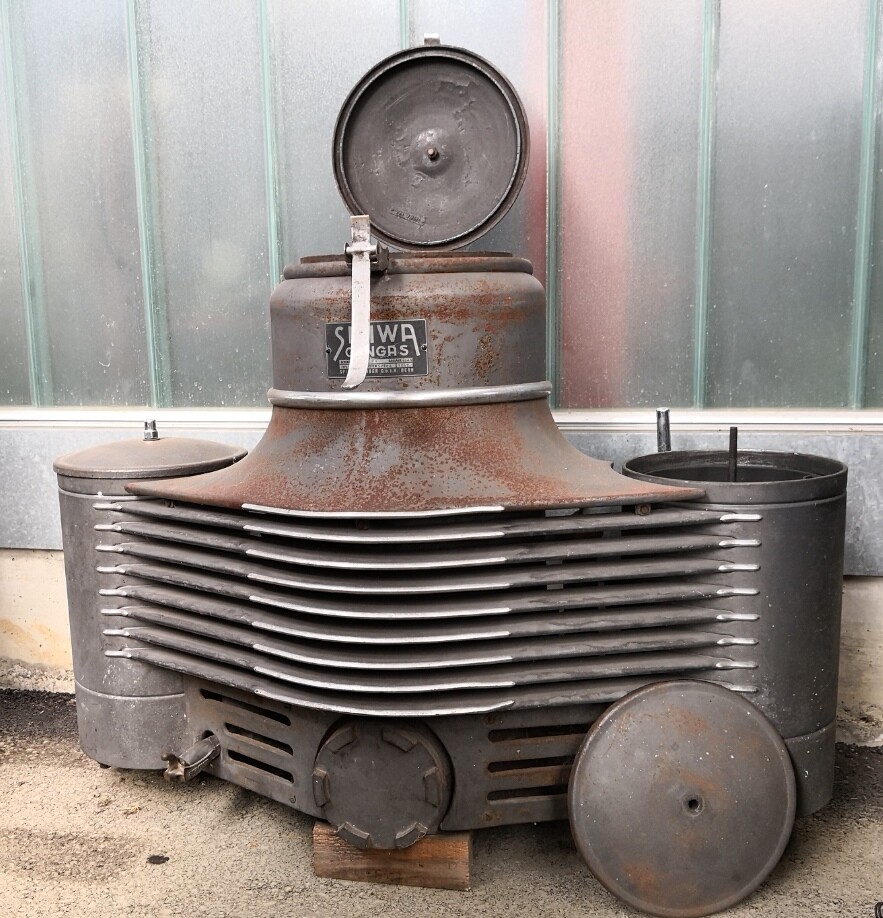
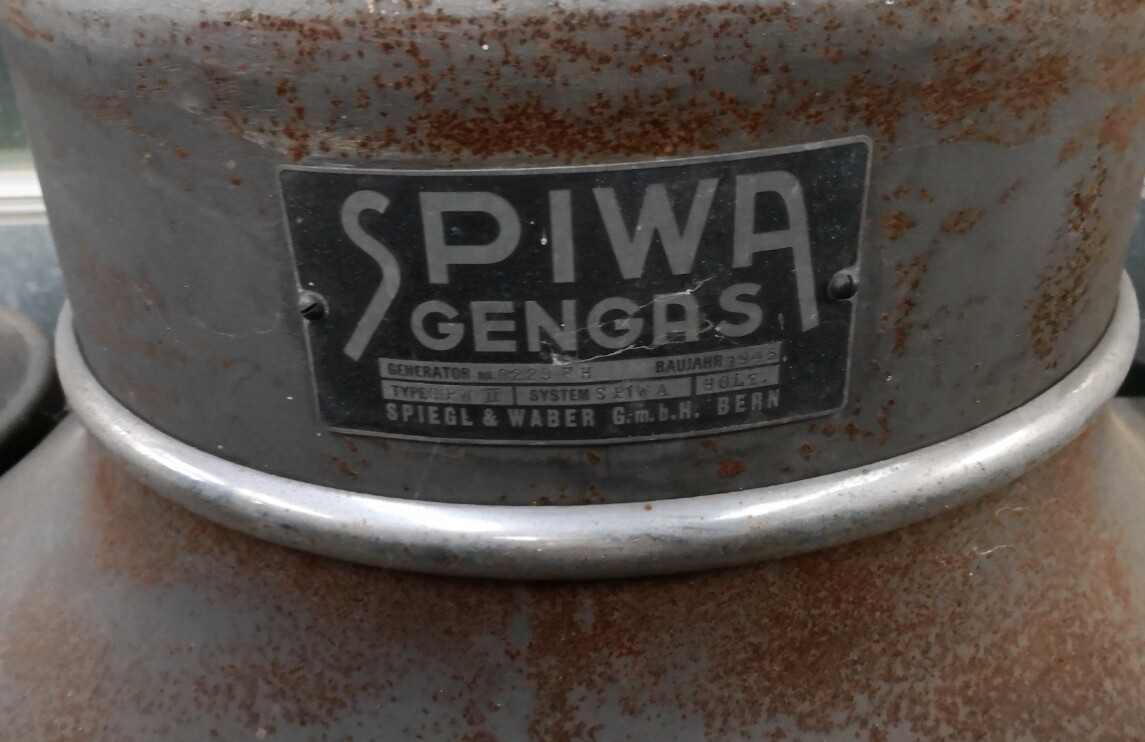
Upon closer inspection it was in fact made for Bern in 1945.
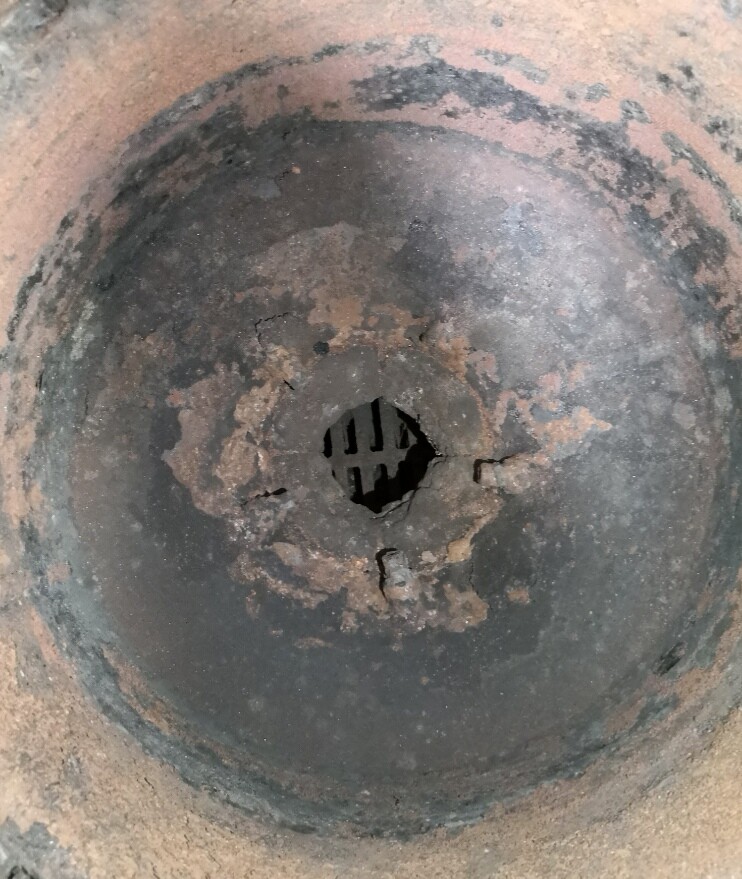
Let’s have a look in the combustion chamber where you will notice the one of the five nozzles appears larger than the others, that one is closest to the hole used to ignite the chamber.
This picture with notes illustrates how the gas flows thru and it’s integrated features.
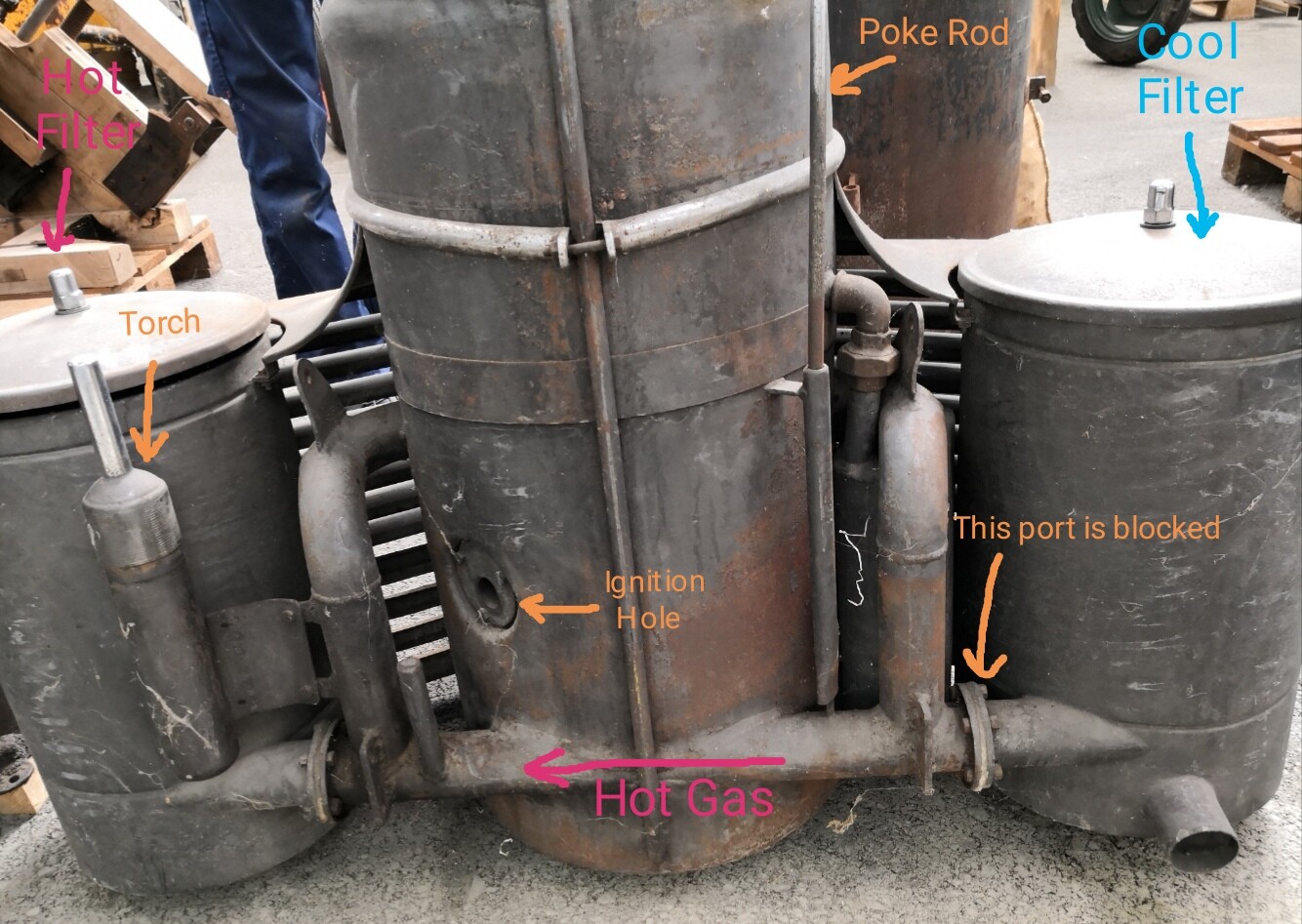
Whats not labeled are the Spiwa’s stylized cooling fins which give it art-deco appearance and the gas output which goes to the engine. But, it should be clear how the gas moves from two ports on the combustion chamber to a hot filter on the left then across the cooling fins in front to the cool filter on the right.

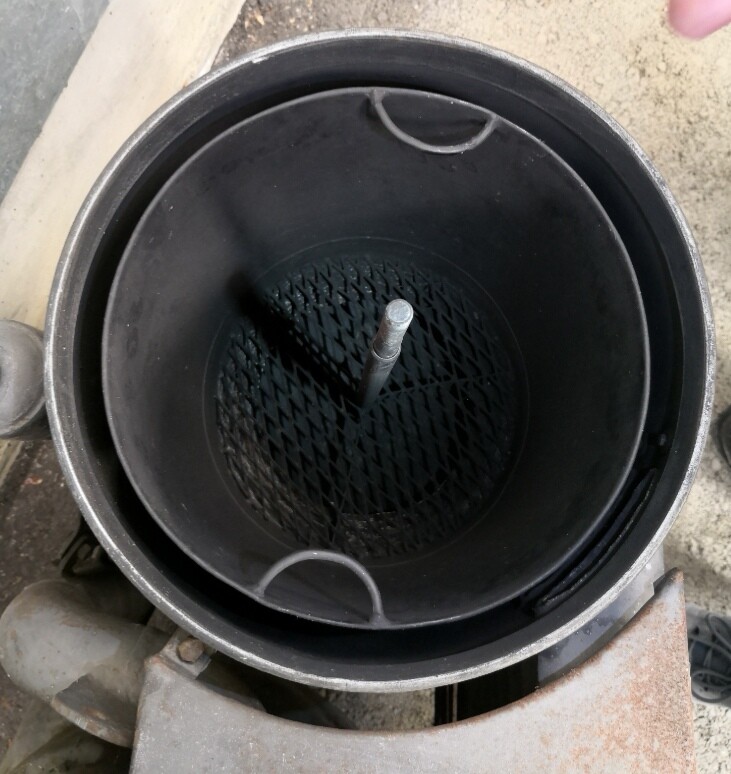
Let’s look into the hot filter: We don’t know what the filter-media would have been, but we can guess there would have been some cyclone effect causing heavy particles to drop out.
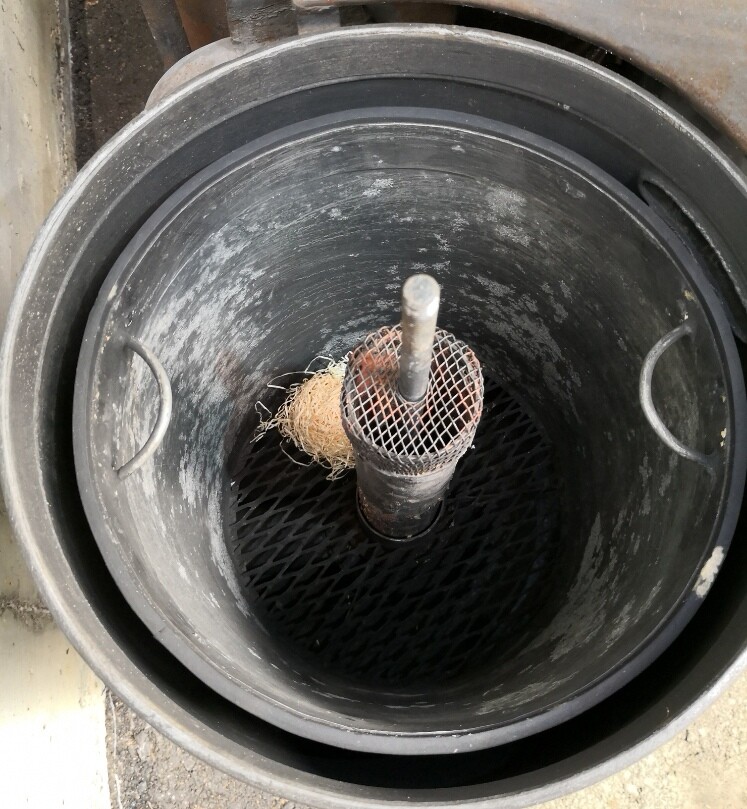
And, the cool filter is shown with a sample of what probably would have been used as filter material: wood-wool.
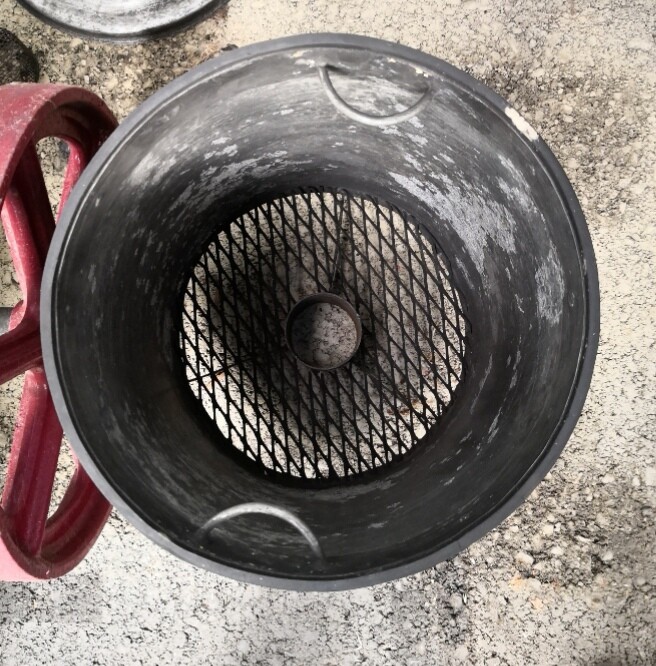
Both filters have removable baskets like so.
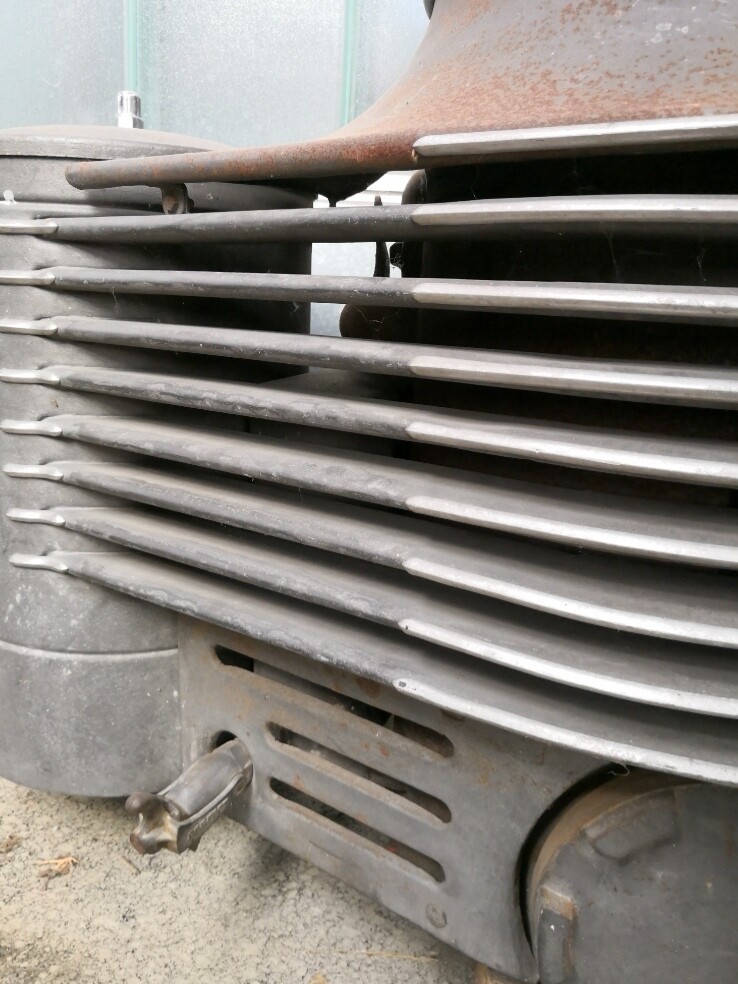
Here I show a close up of the colling fins from the front.
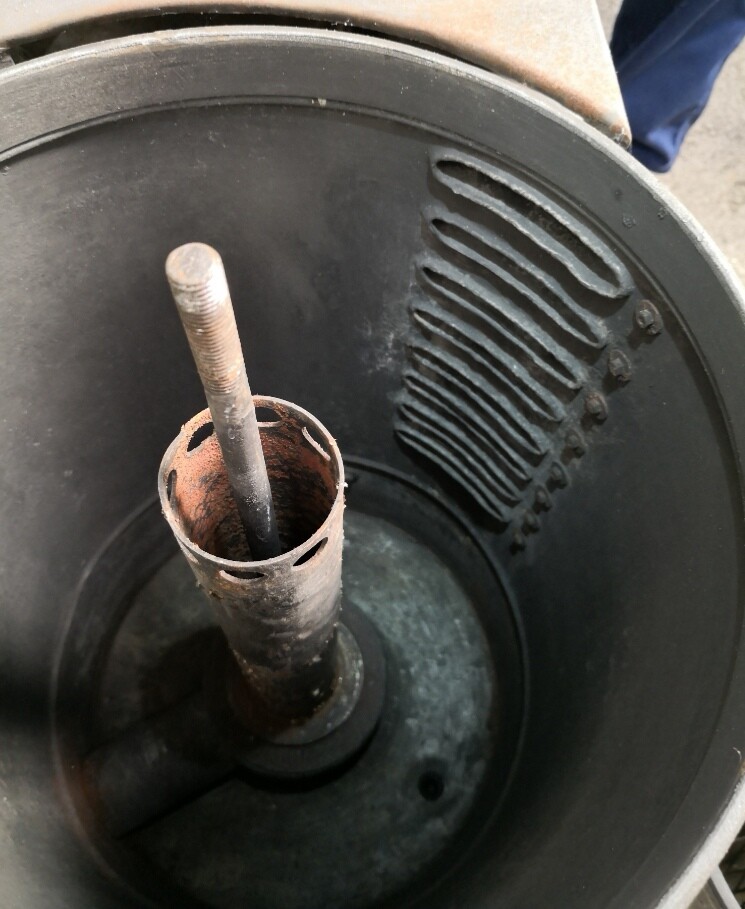
And, the welds on the back of the fins.
Give my post a like if you enjoyed it and DM me if you want to. Before I close my post I want to discuss one more thing which I will post as a reply.

16 Likes

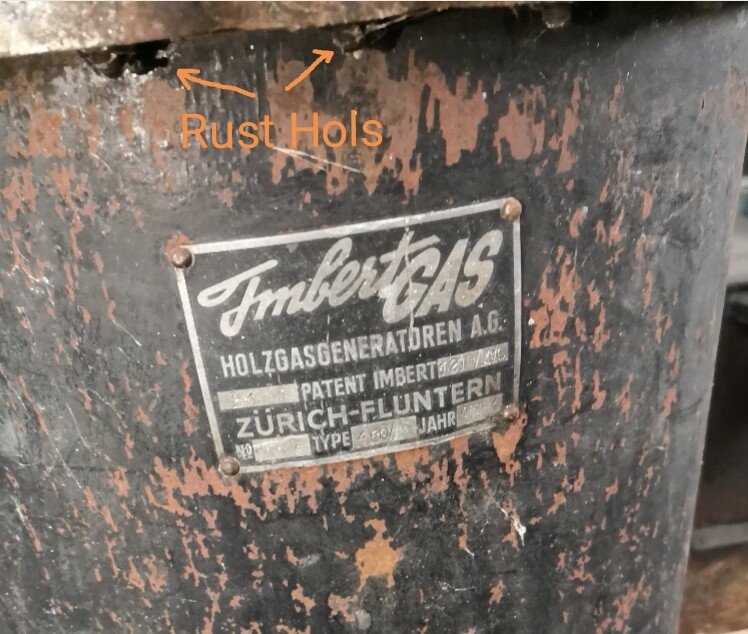
For it’s age, the Spiwa looks great. However, in the museam I saw many historic gasifiers that had rusted to the point of needing major repair. For example, this ImbertGAS model has two visible holes in near the lid.

It got me thinking about what causes the rust, and how it can be prevented. Rust as I understand is oxidative damage. Rust is rarely observed near the hearth of a Gasifier because they are run with low oxygen. What we can see is rust near the lid where most gasifiers have a lip for collecting and draining water. So, water is assumed to be involved in the damage process.

In English the word Hydrogen Peroxide is used to describe a liquid that will readily oxidize something it contacts. But, the English word is a translation from another language that traces its roots to Latium region of what we know today as Italy. To keep things simple, I’ll just say Latium is near Rome so we can call it a Romance language or all call it Italian language for the purpose of this posta.

In Italian, they don’t call it water, it’s Hydro. And Per means for. According to me, Hydrogen Peroxide is ‘water that generates for oxygen.’ Which explains why you see bubbles when you pour Hydrogen Peroxide on something reactive. If there are any Italian scholars here I am asking for your assistance.

In Romance languages, adjectives follow nouns, so you don’t say it’s a “green car”, you say the equivalent of it’s a “car-green.” For this reason, many English chemistry words inherited from Italian are “backwards.”

Let’s look at French words:
Eau oxygénée → Water Oxygenated

IMO the French word, although backwards, gives us a good idea:
For the purpose of our discussion, I’ll call it Oxygenic Water.

My understanding is: Oxygenic water, H2O2, is to blame for the rust because it reacts with metal as an Acid and turns in to regular water (H2O) leaving behind rust.

What are your tips and tricks for preventing rust damage?

11 Likes

for preventing rust damage use stainless steel, or use charcoal gasifiers, there are no acid problems…
more fotos from the museum please!
daniel hagen has a lot of gasifiers in his museum

10 Likes

Hi JoePA

Great informational posts and pictures you have put up. What caught my eye was the tightening pull rods connecting the very sensible flat-oval cooling tubes.

But man, you are way overthinking the rust in gasifers problems. This is just like wood stove chimney pipes; and IC engine exhausts; happens AFTER cooling down from the then intense heat surfaces being burnt off. And then these burnt-raw surfaces then being exposed to moistures in the air.

Internally inside of the gasifer, systems soots and made tars will protect quite well. Lower internal systems do not get this in-service made protections. Heats and radiant energy exposures surfaces are then made vulnerable at later shut-down; and set-aside periods.

The best preventive it to always keep a system in usage. Or use as Giorgio said a weldable grade of higher chromium and nickel SS material. These reform their own oxide protective surfaces. Common steel forced oxide protecting surfaces like blackening and blueing are by heats, and strong acids (hand and skin oils) and bases (wood ash) destroyed. A melted-fused coating like a porcelain is easily chipped then exposing the underlaying steel to oxidization. Some have tried internally some of the newer-tech for high temperature spray on coatings. These were really only effective in areas exposed to high fusing temperatures. Externally: wire brushing or media blasting and painting works well. Re-do; restore the paint during a year as needed.

Ha! Ha! Me I am lazy, and only want all SS systems.

Steve unruh

12 Likes

Stainless is expensive. Stove paint is cheap. I’d paint the steel shell inside and out.

Stove paint can handle 600F continuous. If your steel temperatures are higher than that, you need more insulation anyhow.

Best to avoid creating areas where water can pool if you can. Sometimes you find useful/free “obtainium” with a lip that catches water (IE a 55 gallon drum). All good, just obtainium another shell when that one rusts out. Or cut out the rusty lip and adapt the lid accordingly. Repaint while you are at it?

Quick edit: “need more insulation”: I mean insulation inside the steel shell- fire brick or something castable. Insulation on the outside would only heat the steel more.

6 Likes

I write to thank everyone for their reply, but honestly I’m looking more for indepth discussion of the etymology (word history) / deeper chemistry understanding. I go to great lengths to bring these photos to the forum and I expect more posta bene.

That said, I’m happy to share some more photos from the Museam and since you mentioned Paint.

I like this painting because it’s frame has five sides instead of four. In this day and age I’m surprised that more paintings don’t look like this.

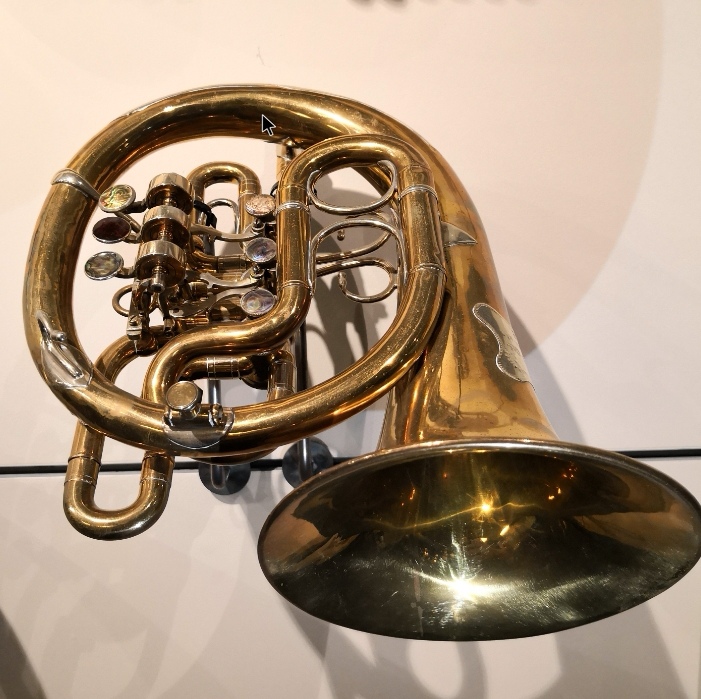
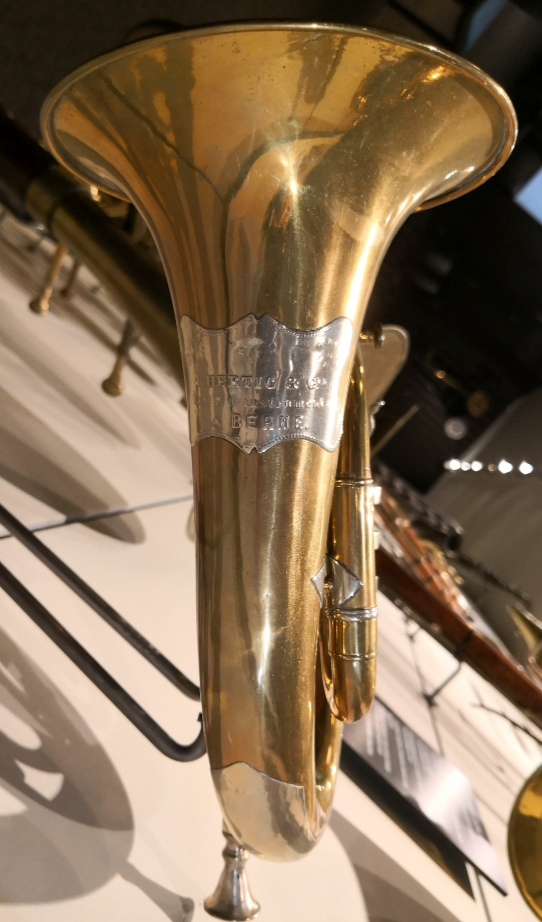
And, some pics of a Horn, you can see it has buttons unlike the French Horn.

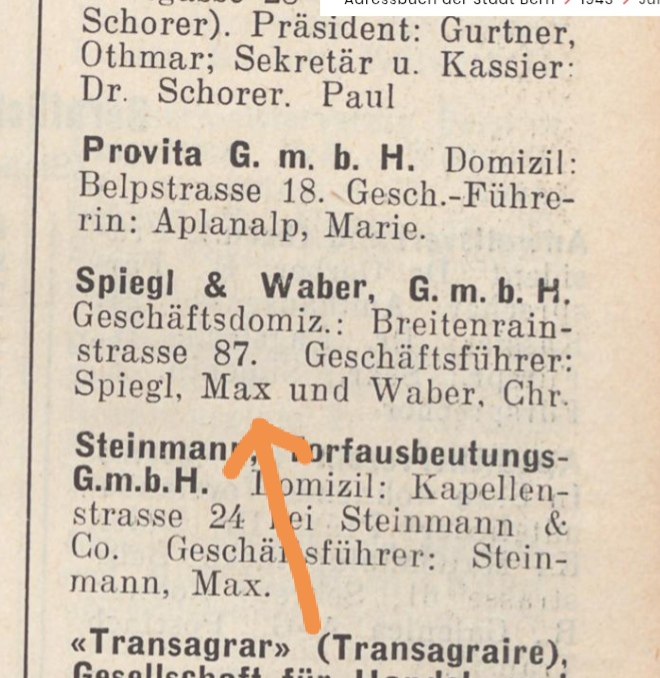
I’ve looked into the archives and I found an entry for the business that produced Spiwa Gasifier from my first post.

I’ll try to locate the old factory; expect a new post in week or so.

Cheers / Ciao / tsChüss ,

Your Friend,

LilJoey100

9 Likes

Well, then. Apologies from me JoePA. I had not noticed that you had put this up in theDOW’s History section. So your presentations and now stated intents, then your original post makes sense.

For better language etymology of wood gasifier systems you really, really want to get a copy of Reich Marshal’s Herman Goring’s released in 1943? publication to the Germany industry, and all of the occupied countries. And study, read in the original German. It will then explain the very sensible descriptive meanings behind the three and four letter acronyms “original” gasifier systems then into purposeful known categories. I passed on an offered copy. Becouse on the old “Holtz Gibt Gas” forum site; I had for months stumbled on a single reoccurring gasifer system word in German. Rost. Using my 2 years of high school German and paper dictionaries I kept getting Rust. 15 years ago Net searching for a translation, I only got Rust also.

The proper functionally usage was “rest”. As in English/American - a thing to hold-up. It was what we call a grate! They were properly describing just what this part did. Hold up the in-system made wood charcoal. We describe the same part by an old English word for its appearance.

Your Bern and the 1940’s German systems were mostly all internal cast or formed metals; gasifer internal flows shapers. Hourglass shaped. Even double hourglass. Means direct contact of the metal walls to the blown hot wood charcoal. This was an in-service metals killer. Non-functional in just a few hundred of hours in service. Before the war metals shortages; the 1930’s and early 1940’s designers were used very high chromium single piece cast hearth cores. They then tried single piece cast ceramics. Very subject to damage and cracking by metal pokers and thermal shocking from new dumping in cold fueling loads. So for the better functionality you need to read/study the post-WWII development into the later developed char-ash slope forming systems by primarily the Swedish and Finns.

Now decades into the 21st Century there are much more advanced developed systems in the Mikkonen’s: Wayne Kieths (W.K.'s); Tone’s; Joni Kolovan’s for raw woods gassers. Matt Ryders for charcoal.

New terms developed for these in the recent past; that are in current usages - not in any history books. Example: Tuyeres → to Jets → to now just; air nozzles.

Regards

Steve unruh

9 Likes

Joe,

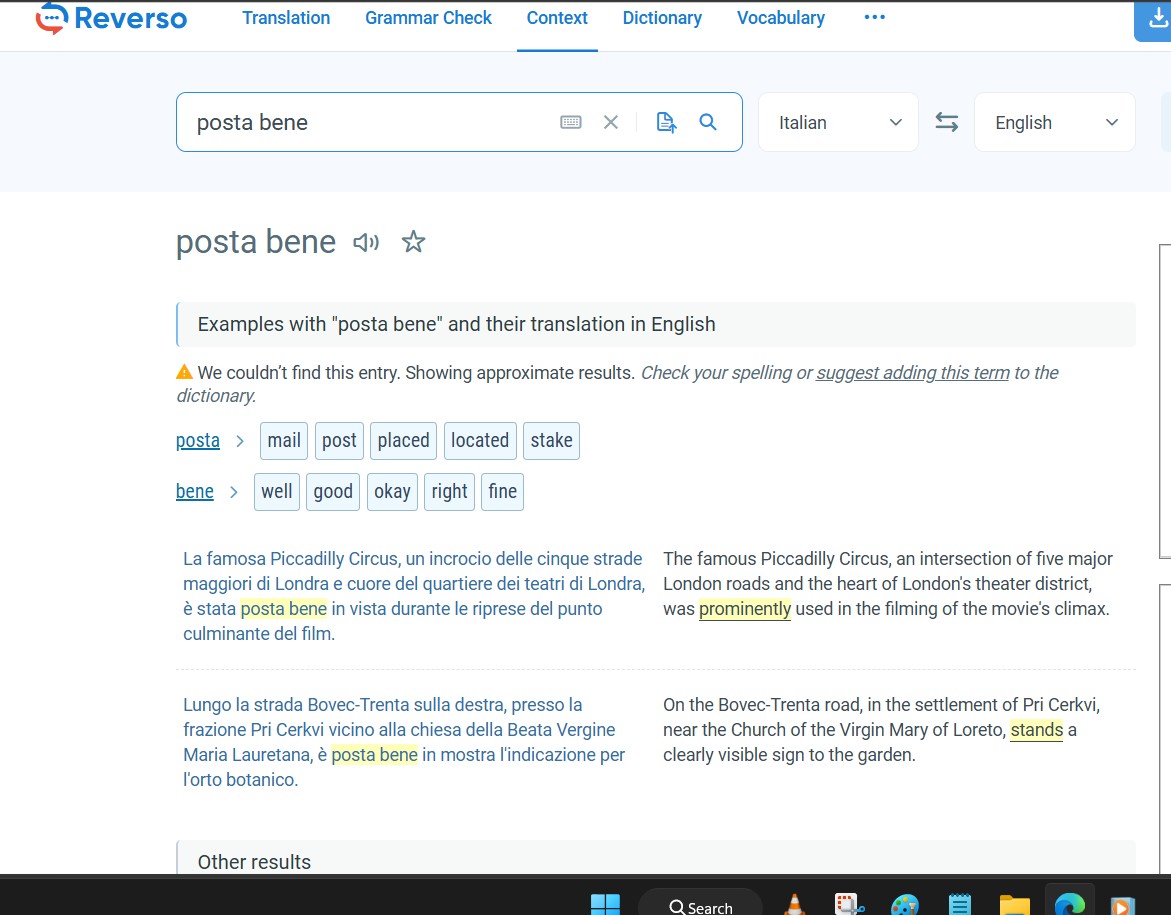
I am really enjoying the photographs you are posting! I’m not sure what you mean by the “posta bene” you expect more of. I am not a chemist or linguist. Here is what the internet gave me…:cowboy_hat_face:

6 Likes

Mike, well posted? Joe might be in an Italian speaking part of Switserland?

6 Likes

google translate came up with ‘well-positioned’ for an autodetected italian translation for posta bene. :slight_smile:

5 Likes